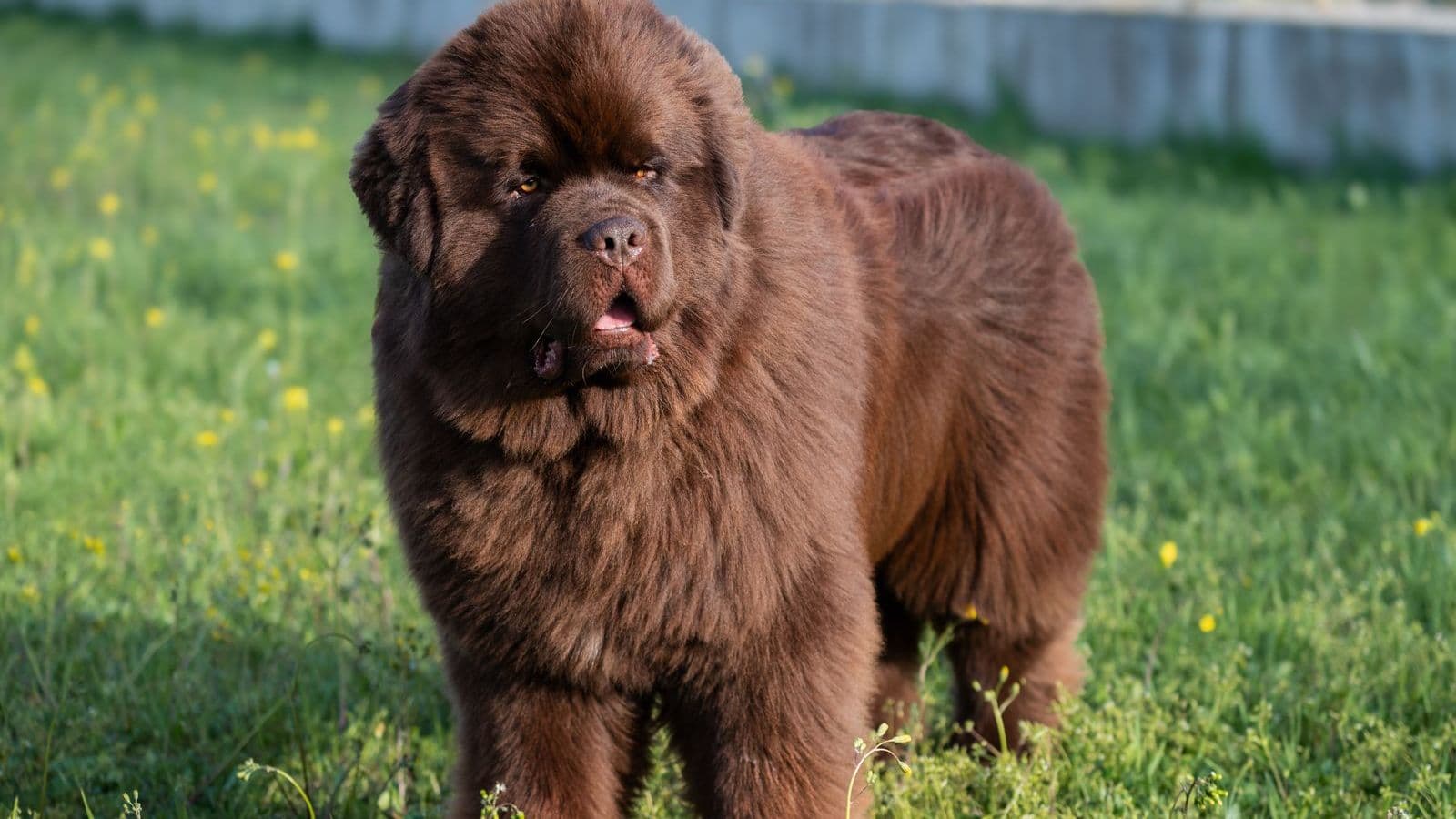
The Newfoundland is a sweet, eager-to-please giant, the famous water-rescue dog, gentle and devoted by nature. Most training mistakes with the breed relate not to temperament but to its enormous size and joint vulnerability, because a 150-pound dog magnifies every unaddressed habit. It is easy to live with, yet a poorly trained giant is a serious problem regardless of disposition. Here are the six mistakes that cause the most trouble, and what to do instead.
1. Waiting to start training
A Newfoundland reaches 130 to 150 or more pounds, and behaviors not addressed in puppyhood become unmanageable at full size. Jumping, pulling, and leaning are cute in a puppy and overwhelming in a giant. Start training at eight weeks, install manners while the dog is small, and build the habits early, because retraining a 150-pound adult is far harder than teaching a puppy.
2. Over-exercising during growth
As a giant, fast-growing breed, Newfoundlands are highly vulnerable to joint damage, and running on hard surfaces, stairs, or jumping before 18 to 24 months causes permanent harm. Owners who over-exercise a puppy store up lasting injury. Keep activity low-impact and on flat ground during growth, use swimming, which is ideal and joint-friendly, and protect the developing joints from too much, too soon.
3. Allowing jumping and leaning
A Newfoundland that jumps up or leans affectionately is adorable at 40 pounds and genuinely dangerous at 150, capable of injuring people. Owners who allow it early cannot easily undo it. Set boundaries in puppyhood and enforce them consistently, teaching four-on-the-floor greetings so the giant adult has safe, polite default manners around children and adults alike.
4. Harsh handling
The gentle Newfoundland is genuinely sensitive and eager to please, and harsh methods cause distress and damage the trusting temperament that defines the breed. Owners who try to be firm misjudge a soft-natured giant. Use reward-based methods only, keep your tone warm and encouraging, and let the breed's natural willingness carry the training, which it does beautifully with kindness.
5. Exercising in the heat
The Newfoundland's thick double coat makes it overheat easily, and owners who exercise it in warm weather risk dangerous heat stress. The coat built for icy water works against the dog in summer. Exercise only in cool conditions, use swimming as a joint-friendly cool-weather option, never leave a Newfie in the heat, and treat heat management as a real safety priority.
6. Under-training because they are calm
The Newfoundland's mellow temperament leads some owners to skip training, assuming a placid giant needs little. But a poorly trained 150-pound dog is a problem regardless of how gentle. Train thoroughly despite the easygoing nature, install reliable manners and leash skills, and never let the calm disposition become an excuse to neglect the structure a giant breed genuinely needs.
What works with Newfoundlands
Start training early, protect the growing joints, set boundaries on jumping and leaning, use gentle methods, respect heat sensitivity, and train thoroughly despite the calmness. The common thread is managing a willing giant's size and growth: train young, guard the joints, and never skip the work because the dog is calm, and the Newfoundland is a magnificent, manageable, devoted gentle giant.
TailorPup's Newfoundland plan front-loads the manners that matter for a giant dog, structures exercise to protect growing joints, and uses gentle methods.
Start your Newfoundland's plan at tailorpup.com →
Related: How to Train a Newfoundland · Leash Pulling · Recall Training