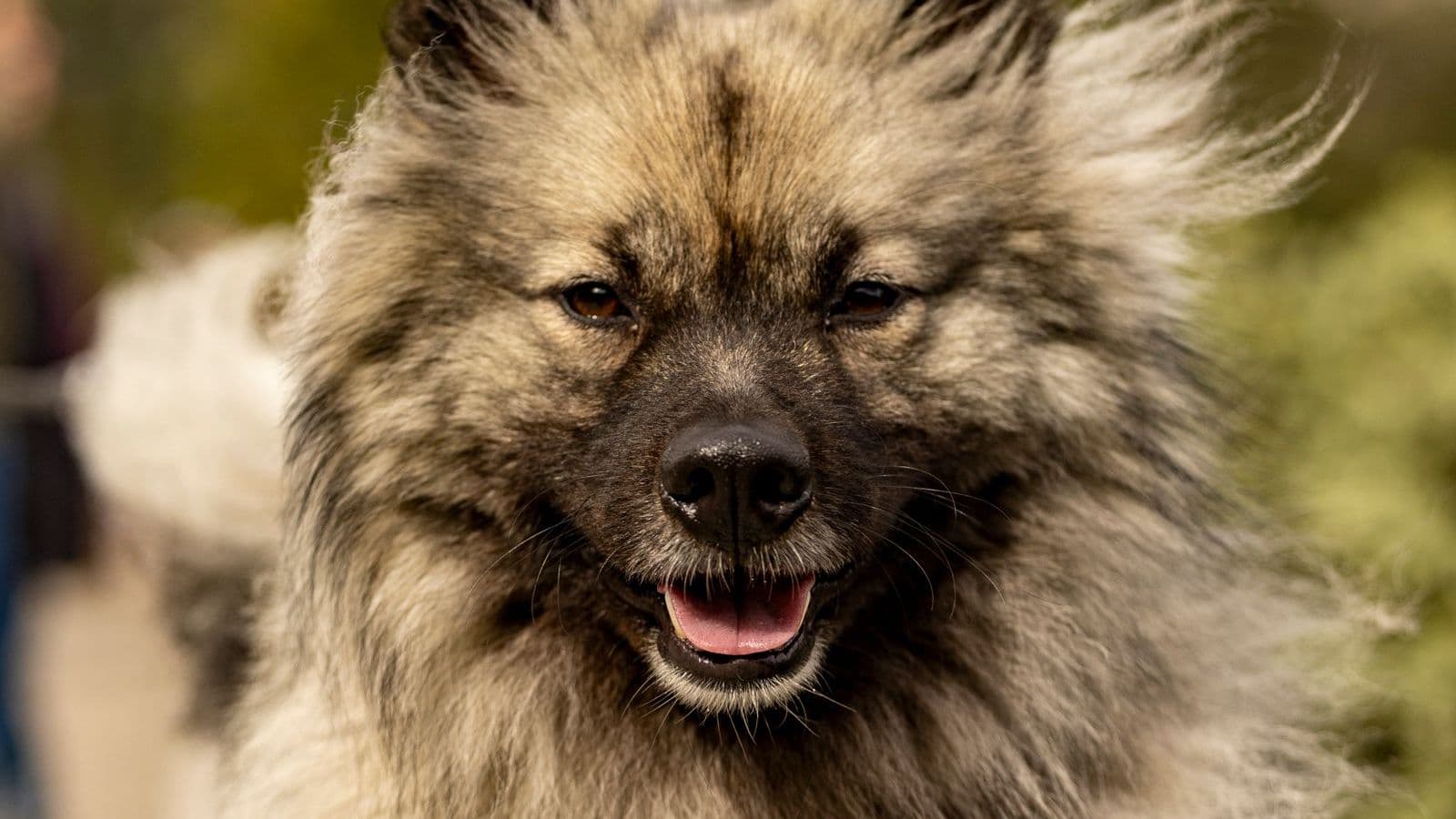
The Keeshond is a beautiful, smiling Dutch spitz that spent its history as a companion and watchdog on the barges and farms of Holland, where it became a symbol of the Dutch Patriot party in the 18th century. Plush, fox-faced, and famous for its "spectacles," the markings around its eyes, the Keeshond is first and foremost a people dog. Unlike the aloof, independent spitz breeds, it was bred to be a close, friendly companion, and it bonds intensely with its family, thriving on involvement and affection. It is one of the most genuinely sociable members of the spitz family.
That people-oriented nature is the key to training one. The Keeshond is intelligent, eager to please, and highly trainable, far more so than most spitz breeds, which makes reward-based training a pleasure. The two things to plan around are its strong watchdog bark and its deep need for companionship: a Keeshond left alone too much or under-stimulated becomes a barker and can struggle emotionally. Lean on the breed's friendly trainability, manage the barking early, and keep it included in family life, and you get a delightful, devoted, well-mannered companion.
This guide covers what works with a Keeshond, week by week, built around how a friendly, people-loving spitz actually learns.
At a glance:
- Trainability: 8/10, unusually biddable for a spitz, genuinely eager to please
- Biggest quirk: watchdog bark, alerting is instinct from its history on the Dutch barges
- Companionship need: bonds closely and does poorly when frequently isolated
- Example: a Keeshond left alone too often can start barking at every sound within days, loneliness and noise go hand in hand for this breed
- Not for: households where the dog would be regularly left alone for long stretches
What Makes Training a Keeshond Different
Four breed traits shape your approach.
1. Friendly and biddable, unusually so for a spitz. The Keeshond is eager to please and genuinely enjoys working with its people, so it takes to reward-based training quickly and excels at obedience and tricks. This cooperative nature is a real advantage and the breed's defining training strength.
2. A strong watchdog bark. Bred to alert on the barges, the Keeshond is naturally vocal and will announce visitors, sounds, and excitement. This is its main management issue. Early, consistent quiet-shaping keeps an alert dog from becoming a nuisance barker.
3. A deep need for companionship. The Keeshond bonds closely and wants to be with its family; it does not do well as a backyard or frequently-isolated dog. Building gentle independence early, and including the dog in daily life, prevents the barking and distress that come from loneliness.
4. Sensitive and people-focused. The breed reads your mood and responds to warmth and rewards, while harsh handling makes it anxious. Keep training upbeat and reward-based, and the Keeshond's willing, sunny nature shines.
Week-by-Week Training Plan for Your Keeshond
Below is the framework we use at TailorPup for a Keeshond-specific 12-week plan. Run it at home; the order and emphasis are the point.
Weeks 1 and 2 : Foundation, Socialization, and Independence
Engagement is easy with this friendly breed, so use the head start. Run three to four five-minute sessions a day with high-value rewards, socialize broadly, and begin gentle independence training with short calm absences and a settle spot. Start barking awareness immediately, rewarding quiet and calm. Our puppy basics guide covers the foundations.
Weeks 3 and 4 : Core Commands and Tricks
Keeshonden learn fast. Lure sit, down, and stay, mark, and reward, adding cues once reliable. Because the breed is so willing, add trick training early; it is excellent mental work and showcases the Keeshond's eager, clever nature.
Weeks 5 and 6 : Leash Work and House Training
Use stop-and-stand for pulling and a harness. The Keeshond is rarely a hard puller, so reward checking in and keep walks pleasant. Keep house training on a predictable schedule, and continue rewarding calm, quiet behavior at home.
Weeks 7 and 8 : Barking and Recall
Now formalize the quiet work, the breed's key management piece: reward calm at windows and doors, manage triggers, and teach a clear "quiet" cue rather than shouting over the noise. Build recall on a long line in low-distraction areas, paying every success well. See our barking guide for the full protocol.
Weeks 9 and 10 : Mental Work and Companionship
Channel the breed's intelligence with tricks, scent games, agility, and puzzle feeders. Keep the Keeshond involved in family life, since companionship is a genuine need, not a luxury, for this people dog. A mentally engaged, included Keeshond is a calm, quiet one.
Weeks 11 and 12 : Generalization
Prove the skills in the real world: calm loose-leash walking past distractions, commands in busier places, quiet on cue around triggers, and settled behavior with continued alone-time practice. These last two weeks are about consistency and proofing the recall and quiet rather than new skills.
Common Keeshond Training Mistakes
Three mistakes show up repeatedly with this breed.
Mistake 1 : Ignoring the barking. The watchdog voice becomes a serious habit if unmanaged, and the Keeshond is naturally vocal. Shape and reward quiet from day one, manage triggers, and meet the dog's needs, rather than reacting after the barking is entrenched.
Mistake 2 : Leaving the dog isolated. The Keeshond's deep need for companionship means a frequently-alone or backyard dog becomes barky and distressed. Build gentle independence early and, just as importantly, include the dog in family life.
Mistake 3 : Using harsh handling. The friendly, sensitive Keeshond responds to corrections with anxiety, not obedience, and it simply does not need them. Keep training reward-based. The full list is in our Keeshond training mistakes guide.
Frequently Asked Questions
Are Keeshonden easy to train ? Yes, unusually so for a spitz. The breed is friendly, intelligent, and eager to please, so reward-based training is effective and enjoyable, and the Keeshond excels at obedience and tricks. The main challenge is managing the barking, not the learning.
Why does my Keeshond bark so much ? Because it was bred as a watchdog, so alerting is instinct. You can substantially reduce nuisance barking by managing triggers, rewarding quiet, teaching a "quiet" cue, and meeting the dog's companionship and exercise needs, but expect a naturally communicative breed.
How much exercise does a Keeshond need ? Around 45 to 60 minutes of activity daily plus mental work. The breed is moderate-energy and adaptable, happy in town or country, but it needs regular exercise and, above all, engagement and company.
Do Keeshonden need a lot of companionship ? Yes. The breed bonds closely and thrives on being with its family; it does poorly when frequently isolated. It is best suited to homes where it is included in daily life rather than left alone for long stretches.
Do Keeshonden shed a lot ? Yes. The plush double coat sheds year-round and blows heavily a couple of times a year. Regular brushing keeps it manageable, and the coat should not be shaved, as it protects against both heat and cold.
Is positive reinforcement effective for Keeshonden ? It is ideal. The friendly, sensitive, eager breed thrives on reward-based training and trick work, and harsh handling is both unnecessary and counterproductive.
Are Keeshonden good family dogs ? Excellent ones. They are affectionate, gentle, and great with children, with a sociable, smiling nature. They suit families who will include them in daily life and manage the watchdog barking.
Why TailorPup Was Built for Keeshonden
A generic plan does not prioritize the two things that actually matter with this breed: early barking management and its deep need for companionship. That is why standard advice can leave Keeshond owners with a noisy, lonely dog.
TailorPup builds a 12-week plan around your specific dog: its companion-spitz nature, its age, and the behaviors you are seeing. For a Keeshond that means leaning on its friendly trainability, an early barking protocol, gentle independence training, and an emphasis on keeping the dog engaged and included.
Daily 12-minute sessions plus weekly adjustments based on your dog's progress. Plans from $9.99/month, no trial; annual starts at $2 for 7 days. Cancel anytime.
Related: Keeshond Training Mistakes · Barking Solutions · Recall Training · Puppy Training Basics