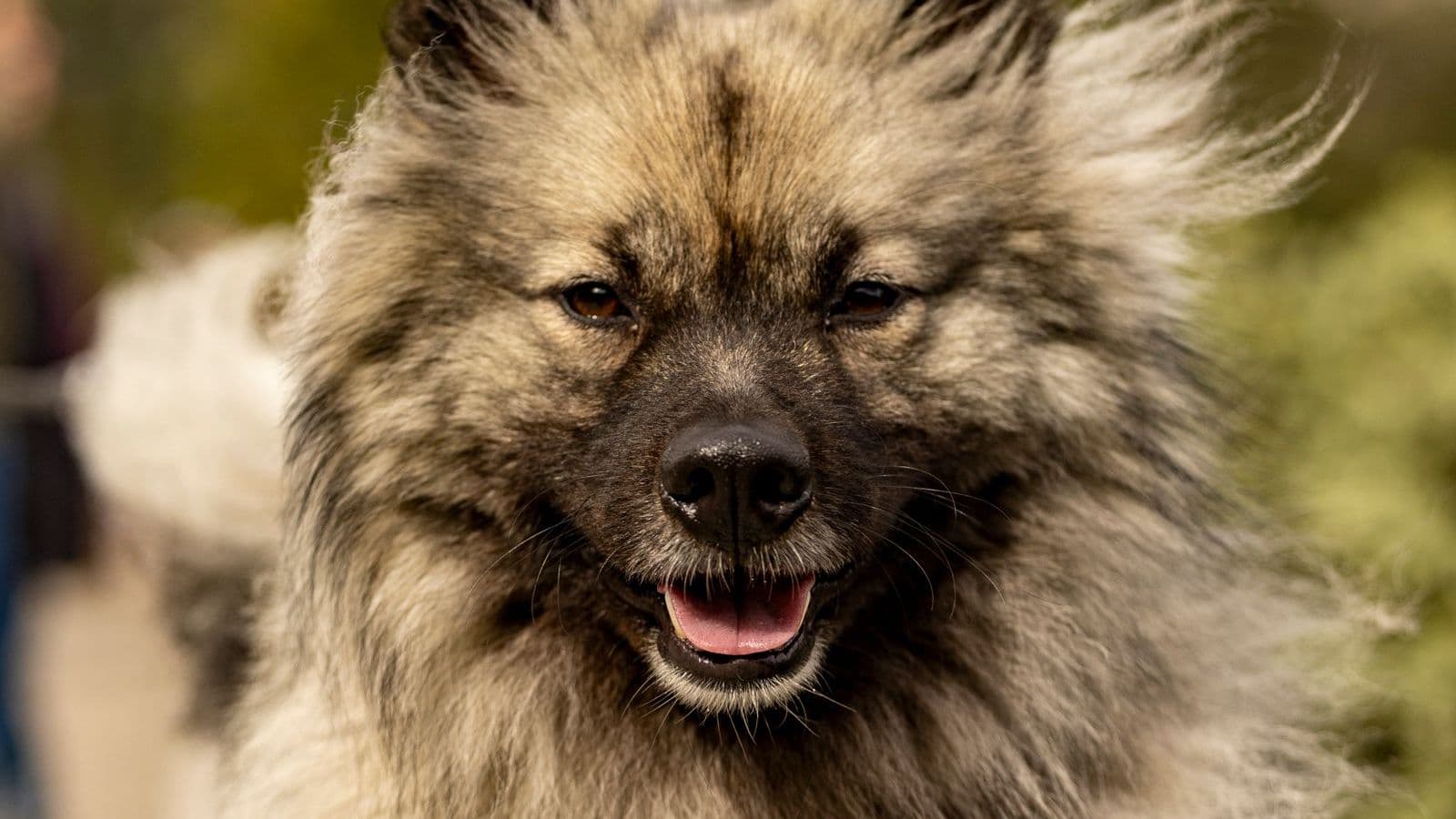
The Keeshond is a friendly, smiling Dutch companion spitz, once the mascot of barges along Holland's canals and bred above all to be with its people. It is biddable and clever, which makes it a pleasure to train, but its watchdog heritage and deep need for company are behind almost every problem owners run into. Here are the five mistakes that cause the most trouble, and what to do instead.
1. Ignoring the barking early
The Keeshond's barge-watchdog past left it naturally alert and vocal, and unmanaged early barking quickly hardens into a habit of announcing every sound and visitor. Owners who indulge or ignore the early woofs end up with a dog that barks far too much. Reward quiet, teach a "quiet" cue, and manage the triggers from the start. Our barking guide covers the full protocol.
2. Long daily isolation
This breed was developed to be a constant companion, and it genuinely struggles when left alone for long workdays, readily developing separation anxiety. Owners who leave it solo all day end up with a distressed, vocal, destructive dog. Build alone-time tolerance early, and arrange companionship or breaks so the Keeshond's devotion never tips into panic.
3. Exercising in the heat
That gorgeous, thick double coat is built for cool Dutch weather, and the Keeshond overheats easily in warmth. Owners who exercise it hard on hot days risk dangerous overheating. Schedule activity for the cool parts of the day, provide shade and water, and never push a panting Keeshond. Resist shaving the coat, which actually harms its insulation and sun protection.
4. Under-using the intelligence
The Keeshond is bright and eager, and a bored one channels that brainpower straight into barking and mischief. Owners who provide only walks miss how much the dog enjoys learning. Give it daily mental work, puzzles, trick training, agility, or scent games, and a mentally satisfied Keeshond is calmer and quieter. The breed's quick, eager mind makes it a natural at trick training and dog sports, which double as the easiest way to tire it out.
5. Harsh handling
The Keeshond is friendly and genuinely people-pleasing, so harsh corrections are both unnecessary and counterproductive, dimming the cheerful willingness that makes the breed so easy. Owners who correct heavily get an anxious, less responsive dog. Reward-based training plays straight to its strengths; keep sessions upbeat and the Keeshond learns fast.
What works with Keeshonds
Manage the barking early, prevent long isolation, exercise in cool conditions, keep the bright mind busy, and train with rewards. The throughline is honoring a friendly companion spitz with a watchdog voice: meet its need for company and channel its cleverness, and the Keeshond is a friendly, smiling, devoted companion.
TailorPup's Keeshond plan includes a barking protocol, front-loads independence training, schedules cool-weather exercise, and leverages the breed's friendly trainability.
Start your Keeshond's plan at tailorpup.com →
Related: How to Train a Keeshond · Barking Solutions · Recall Training