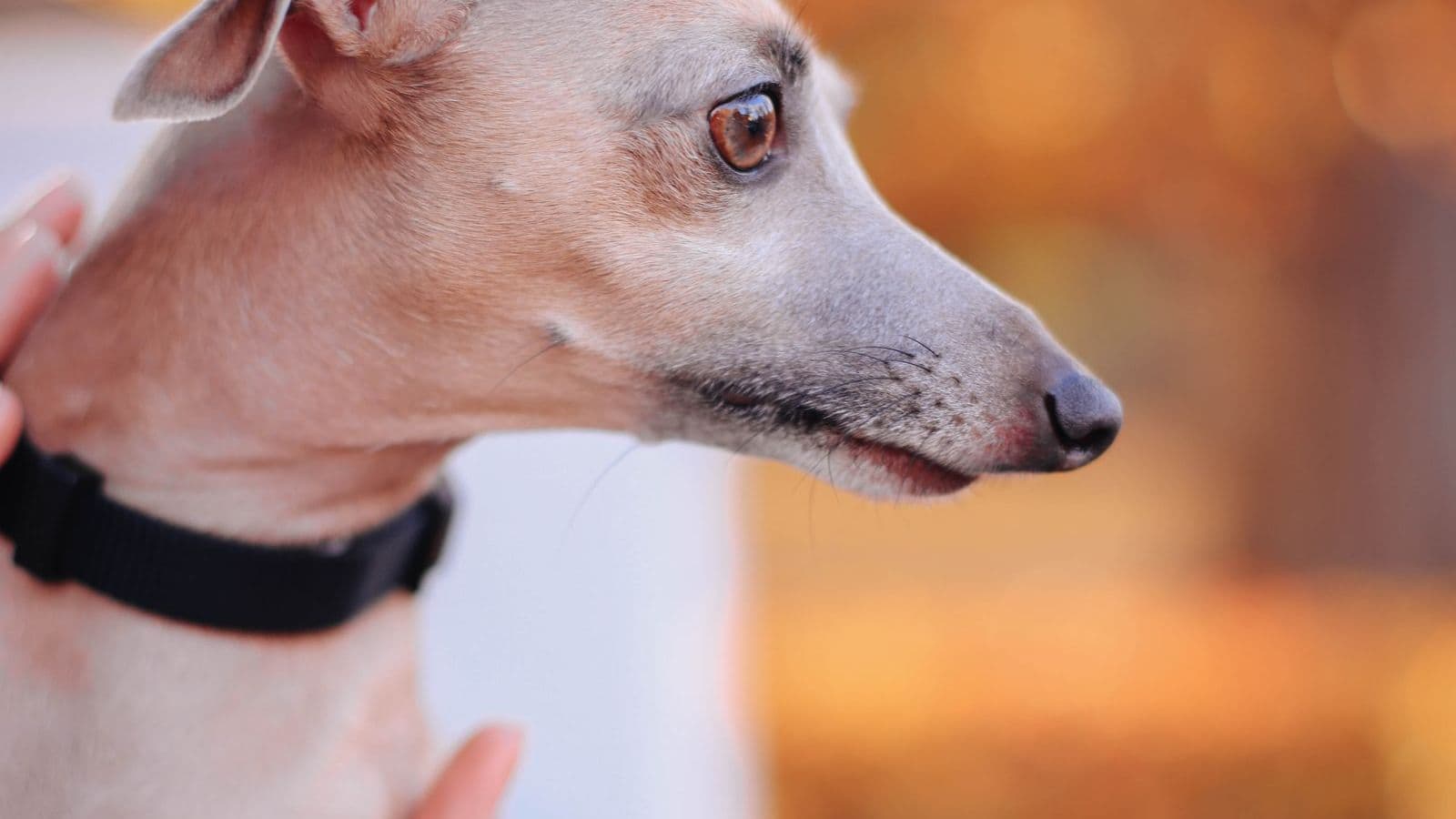
The Greyhound is the original sighthound, an ancient breed built for one purpose: speed. Capable of reaching 45 miles per hour, it is the fastest dog on earth, bred for thousands of years to spot and run down game by sight. Yet anyone who lives with one quickly discovers the breed's great paradox: away from the chase, the Greyhound is one of the calmest, gentlest, laziest dogs imaginable, a serene "45-mph couch potato" that wants nothing more than a soft bed and the company of its people. Many Greyhounds join families as retired racers, bringing their own particular adjustment to pet life.
That blend of explosive prey drive and gentle calm is the key to training one. The Greyhound is sensitive, quiet, and surprisingly biddable for a sighthound, so it responds well to gentle, reward-based training. But it carries a powerful prey drive and unmatched speed, which makes recall around movement unreliable, and retired racers often need help learning ordinary house life, from stairs to glass doors to being alone. Train gently, manage the prey drive with secure space, and ease a retired racer into pet life patiently, and you get an exquisite, devoted, low-maintenance companion.
This guide covers what works with a Greyhound, week by week, built around how a gentle, fast, sensitive sighthound actually learns.
At a glance:
- Trainability: 6/10, gentle and biddable for a sighthound, but recall is unreliable around prey
- Biggest risk factor: speed, the fastest breed on earth means off-leash freedom is genuinely unsafe
- Retired-racer note: many have never seen stairs, glass doors, or ordinary house life
- Example: a Greyhound that spots a fleeing rabbit can be out of sight before you finish saying "come", that's the breed's nature, not a training failure
- Not for: owners expecting reliable off-leash recall in open spaces
What Makes Training a Greyhound Different
Four breed traits shape your approach.
1. A powerful prey drive and extraordinary speed. A fleeing animal triggers an instant, committed chase, and the Greyhound is faster than anything else on four legs. Recall around movement is unreliable, off-leash freedom in unfenced areas is genuinely unsafe, and secure fencing is essential.
2. Gentle, sensitive, and calm. Away from the chase, the Greyhound is mellow, quiet, and soft-natured, happy to lounge for most of the day. It shuts down under harshness, so gentle, reward-based training is essential, and it is more biddable and people-oriented than many sighthounds.
3. Retired racers need adjustment. Many Greyhounds come home as ex-racers who have never seen stairs, glass doors, slippery floors, or life as a house pet, and may not know how to be alone. They need patient, gradual introductions to ordinary domestic life.
4. Lean, thin-skinned, and cold-sensitive. The Greyhound's slender build, thin coat, and minimal body fat mean it feels the cold, bruises easily, and needs soft bedding and often a coat in winter. Use a martingale collar, since the slim head slips flat collars.
Week-by-Week Training Plan for Your Greyhound
Below is the framework we use at TailorPup for a Greyhound-specific 12-week plan, suitable for puppies and retired racers alike. Run it at home; the order and emphasis are the point.
Weeks 1 and 2 : Foundation, Socialization, and Adjustment
Build engagement with high-value, gentle rewards and socialize broadly. Run three to four short sessions a day: name, mark eye contact, reward warmly. For a retired racer, this is also the adjustment phase: introduce stairs, floors, glass doors, and house life patiently, and begin gentle alone-time training. Our puppy basics guide covers the foundations.
Weeks 3 and 4 : Core Commands
Many Greyhounds, especially ex-racers, have never learned basic cues like sit, which can be awkward for their build, so down and stand are often easier. Lure, mark, reward, and add cues once reliable, keeping sessions short, gentle, and rewarding.
Weeks 5 and 6 : Leash Work
Use a martingale collar and a harness, and stop-and-stand for any pulling, though Greyhounds are rarely hard pullers. Keep early walks calm, reward checking in, and avoid situations likely to fire the prey drive while the dog settles into pet life.
Weeks 7 and 8 : Recall (Manage Expectations)
Build recall on a long line in low-distraction areas, jackpot every success, and never call the dog for anything it dislikes. Be realistic: a Greyhound is not a reliable off-leash dog around running game in the open. Treat the long line and secure, tall fencing as permanent tools.
Weeks 9 and 10 : Channeling Energy and Comfort
Give the breed safe outlets for short bursts of running in a securely fenced space, which it loves and needs, balanced with plenty of cozy rest. Ensure soft bedding and warmth, since the lean, thin-skinned breed feels the cold and needs comfortable places to lounge.
Weeks 11 and 12 : Generalization
Prove the skills in the real world: calm leash walking past distractions, recall inside fenced areas, confident navigation of house life, and settled alone time. A Greyhound that listens indoors but not outside is normal for the breed, so these two weeks consolidate gentle, realistic progress.
Common Greyhound Training Mistakes
Three mistakes show up repeatedly with this breed.
Mistake 1 : Trusting off-leash recall. This is the dangerous one. The prey drive and unmatched speed make an unfenced Greyhound a real risk; one can be far away in seconds after game. Treat open spaces as long-line or securely fenced only, and accept that reliable off-leash freedom is not realistic.
Mistake 2 : Rushing a retired racer. Ex-racers face a huge adjustment to ordinary house life and being alone. Pushing them too fast creates stress and setbacks. Introduce stairs, floors, doors, and alone time patiently and gradually.
Mistake 3 : Using harsh handling. The gentle, sensitive Greyhound shuts down under corrections. Keep everything calm and reward-based. The full list is in our Greyhound training mistakes guide.
Frequently Asked Questions
Are Greyhounds easy to train ? More so than many sighthounds, for basic manners, because they are gentle and fairly biddable. But they are independent around the prey drive, so recall is unreliable off-leash, and retired racers need patient help adjusting to house life.
Can I let my Greyhound off-leash ? In a securely fenced area, yes, and the breed loves a good sprint. In open, unfenced spaces, no; the prey drive and speed make recall unreliable and a Greyhound can be gone in seconds. A long line and secure fencing are essential.
Are Greyhounds really lazy ? Famously so, away from the chase. They are sprinters, not endurance athletes, so after a good run they are content to lounge for most of the day. The nickname "45-mph couch potato" is entirely accurate.
How do I help a retired racing Greyhound adjust ? Patiently and gradually. Many have never encountered stairs, glass doors, slippery floors, or being alone. Introduce each calmly, reward confidence, and build alone-time tolerance slowly. Most adapt beautifully to pet life with time.
Is positive reinforcement effective for Greyhounds ? Yes, ideally. The gentle, sensitive breed responds well to calm, reward-based training and shuts down under harshness, which is both unnecessary and counterproductive.
Do Greyhounds need special care ? Yes, some. The lean, thin-skinned, low-fat build means they feel the cold, need soft bedding to avoid sores, and often wear a coat in winter. Use a martingale collar, since their slim heads slip flat collars.
Are Greyhounds good family dogs ? Yes, wonderful ones for calm households. They are gentle, quiet, and affectionate, and good with respectful children, though their prey drive means careful management around small pets and secure containment outdoors.
Why TailorPup Was Built for Greyhounds
A generic plan ignores what defines this breed: the prey drive and speed, the gentle sensitivity, and the particular adjustment a retired racer needs. That mismatch is why standard advice frustrates Greyhound owners.
TailorPup builds a 12-week plan around your specific dog: its sighthound nature, its age or racing background, and the behaviors you are seeing. For a Greyhound that means gentle reward-based methods, a realistic recall approach with long-line and fencing built in, patient adjustment support for ex-racers, and comfort and safety tailored to the breed.
Daily 12-minute sessions plus weekly adjustments based on your dog's progress. Plans from $9.99/month, no trial; annual starts at $2 for 7 days. Cancel anytime.
Related: Greyhound Training Mistakes · Recall Training · Leash Pulling · Puppy Training Basics