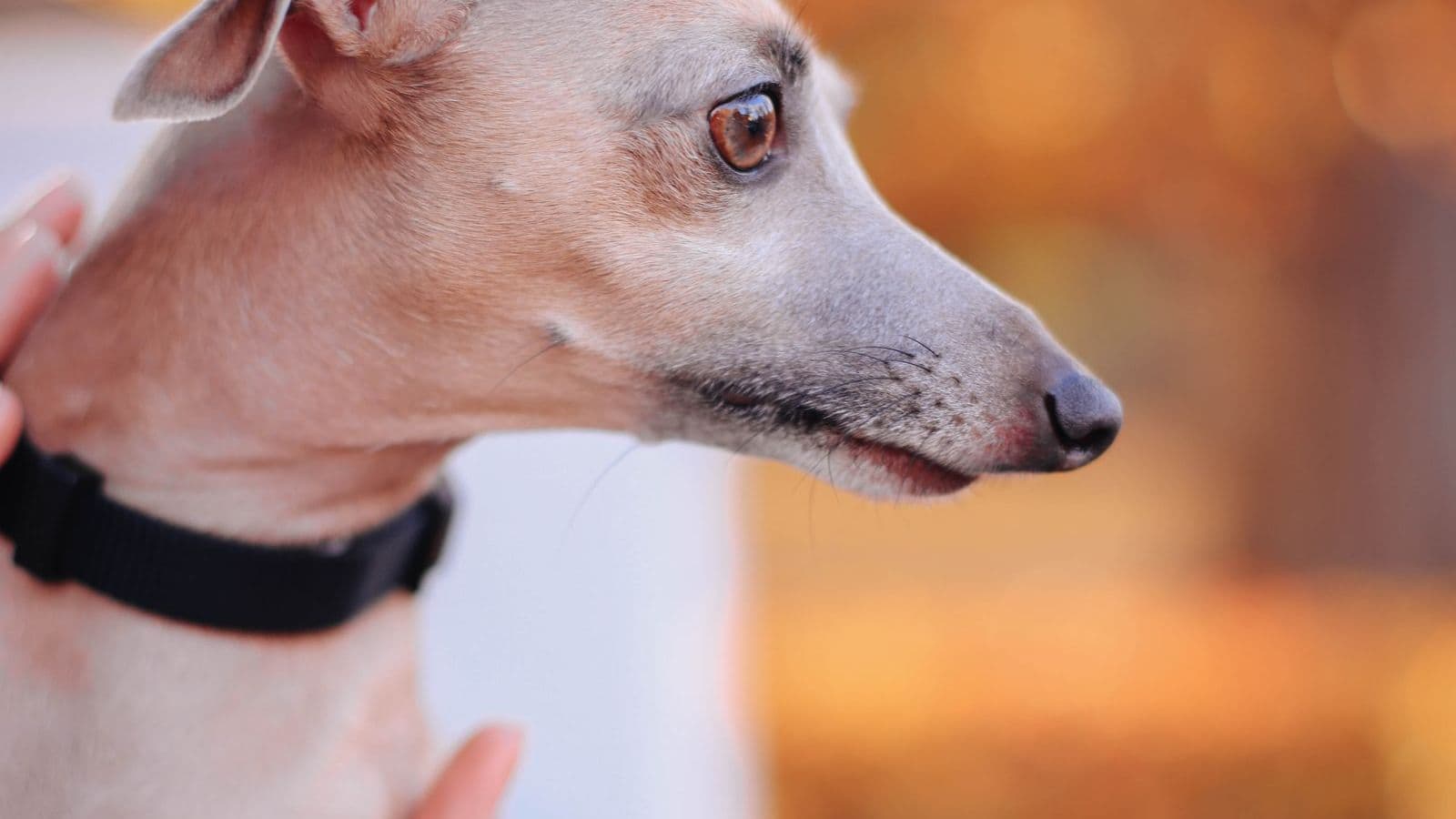
The Greyhound is a gentle, sensitive sighthound, most often adopted as a retired racer that has spent its whole life in kennels and on the track. It is a famously calm, affectionate housemate, but it comes with two hard-wired traits, a 45-mph chase instinct and a complete lack of pet-home experience, that catch new owners off guard. Almost every Greyhound problem traces back to the prey drive or to rushing a dog through an enormous life adjustment. Here are the five mistakes that cause the most trouble, and what to do instead.
1. Trusting the dog off-leash
The Greyhound's 45-mph speed combined with a hard prey drive makes off-leash genuinely dangerous in open areas, because a single moving rabbit puts the dog half a mile away before you react. Owners who assume a calm couch dog will stay close are wrong. Use securely fenced spaces for sprinting, keep a long line elsewhere, and treat open-field freedom as something this breed simply does not get.
2. Forcing the dog to sit
Greyhound anatomy makes sitting physically awkward, and most racers were never taught the position at all. Owners who insist on it grow frustrated with a dog that genuinely struggles. Do not force a sit; build your training around down and stand instead, which the breed performs comfortably, and you remove a pointless source of conflict.
3. Harsh, correction-based handling
The Greyhound is gentle and deeply sensitive, and harsh tones or corrections make it freeze, cower, or shut down rather than learn. Owners expecting a tougher dog overcorrect and damage trust fast. Use kind, reward-based methods only, keep your voice soft, and let the sensitive sighthound work for praise and food, which it does eagerly once it feels safe.
4. Rushing a retired racer
Many Greyhounds arrive as adults having never seen stairs, glass doors, mirrors, or a quiet home, and owners who expect instant adjustment overwhelm them. The result is fear and shutdown. Allow a proper decompression period, introduce household novelties patiently one at a time, and teach basic home skills step by step, so the dog learns that ordinary life is safe.
5. Over-exercising the dog
Despite the speed, Greyhounds are sprinters, not endurance athletes, and they are famous couch potatoes that need only short bursts of running. Owners who march them on long daily hikes wear them out and miss what they need. Provide a couple of short sprints in a safe space plus a relaxed walk, and skip the endurance routine entirely.
A realistic weekly routine
A Greyhound week is gentler than most owners expect: one or two short, brisk outings a day on a lead, one safe fenced sprint session a few times a week, and a couple of five-minute training sessions for loose-leash walking and recall. Give the dog a soft, warm bed, use a coat in cold or wet weather, and build alone time in small steps so the dog learns to relax when you leave.
What this looks like at home
The scene. A retired racing Greyhound steps into your living room for the first time and stops dead at the glass door, then at the stairs. A week later it is a perfect couch potato, until a rabbit appears at the park.
What to do instead. Treat the first weeks as decompression: a quiet home, a bed in a calm corner, and one new thing at a time (stairs, mirrors, glass doors, a slippery floor). Use treats to make each a good experience. Walk on a lead and a secure harness, because a sighthound can spot prey and bolt faster than any recall. Offer sprint time only in a fully fenced space, plus a gentle daily walk. Choose the down or stand over a forced sit.
What works with Greyhounds
Treat off-leash as fenced-only, skip the forced sit, use gentle methods, give retired racers time and home-skill training, and provide sprinting rather than endurance exercise. The common thread is honoring a sensitive sprinter built for the track, not the trail: respect the prey drive, go gently, and ease the racer into pet life, and the Greyhound becomes a calm, devoted, wonderfully easy companion.
TailorPup's Greyhound plan uses gentle methods, treats off-leash as fenced-only, supports retired-racer home-skill training, and ensures a safe sprinting outlet.
Start your Greyhound's plan at tailorpup.com →
Related: How to Train a Greyhound · Recall Training · Leash Pulling