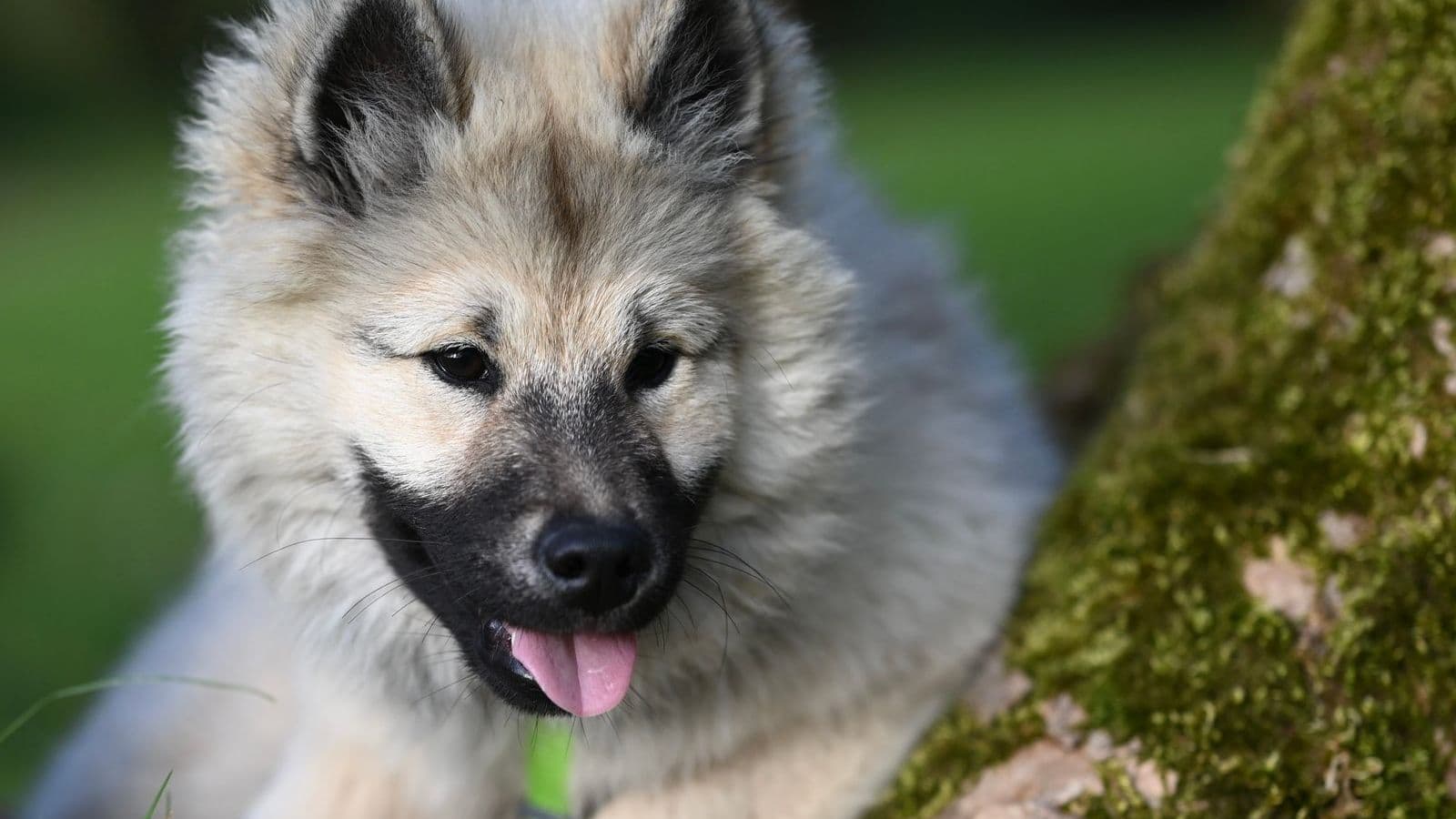
The German Spitz is the ancestral spitz of central Europe and, in many ways, the source breed from which much of the modern spitz family descends, the Pomeranian, the Keeshond, the Italian Volpino, and others all trace back to the German Spitz type. Depicted in European art and described in texts since at least the fifteenth century, it is one of the oldest recognizable dog types on the continent, and for centuries it earned its keep as a watchdog on farms, in vineyards, and on the river barges of Germany, where its sharp eyes and ready voice made it an excellent, if vocal, sentinel.
In Germany and through the FCI, the German Spitz is recognized in five size varieties, the Wolfsspitz (Keeshond), Großspitz (Giant), Mittelspitz (Standard), Kleinspitz (Miniature), and Zwergspitz (Pomeranian), though outside Germany "German Spitz" usually refers to the Mittel and Klein, standing roughly 23-41 cm. Across the sizes the breed shares a foxy face, a profuse stand-off coat, an alert and lively character, and the classic spitz combination of devotion to its family and independent, self-assured judgment.
For an owner, the German Spitz's watchdog heritage is the heart of training it well. The breed's defining job for centuries was to bark at intruders, and it retains that alerting instinct with full enthusiasm, so bark management is the first priority. Its spitz independence means it cooperates with meaningful rewards rather than blind obedience; its intelligence means it bores quickly and needs varied training; and its family loyalty is paired with reserve toward strangers that benefits from socialization.
Given early bark management, varied reward-based training, and broad socialization, the German Spitz is a lively, devoted, and charming companion that lives up to its long history.
At a glance:
- Trainability: 7/10, intelligent and quick to learn, but cooperates with meaningful rewards rather than blind obedience
- Biggest risk factor: alert barking, the breed's historical watchdog job, forms a habit within weeks if not managed from day one
- Independence note: bores quickly and disengages from repetitive drilling, needs varied, progressive training
- Example: Without an early "quiet" cue, a German Spitz will bark at every doorbell ring as a habit, not just an instinct.
- Not for: noise-sensitive households unwilling to install a "quiet" cue early
What Makes Training a German Spitz Different
1. Alert barking is the breed's historical purpose. The German Spitz was developed as a watchdog whose primary job was to bark at anything unusual, and it retains that with full intensity. The habit forms quickly, so a "quiet" cue installed in the first week is the single most important early priority.
2. Spitz independence. Like all spitz family members, the German Spitz has genuine independent judgment and is not a passive, eager-to-please breed. It cooperates with consistent, positive training and meaningful rewards rather than pressure.
3. Intelligence and a low boredom threshold. The breed learns commands quickly and bores equally fast, so varied, progressive training holds its attention far better than repetitive drilling, which simply causes it to disengage.
4. Family loyalty with stranger reserve. The German Spitz is devoted to its own people and typically reserved or cautious with strangers, so early socialization keeps that reserve from becoming fearfulness.
Week-by-Week Training Plan for Your German Spitz
Weeks 1 and 2 : Bark Management First
Install a "quiet" cue from the very first sessions and socialize broadly. Our puppy basics guide covers the mechanics.
- Begin a "quiet" cue in week one before alert barking becomes a habit.
- Socialize broadly to reduce the number of things worth barking at.
- Pair short, upbeat sessions with high-value food.
- Begin gentle coat handling, since the profuse coat needs regular grooming.
Weeks 3 and 4 : Core Commands, Varied and Brief
Sit, down, and stay come readily to this intelligent breed.
- Teach the core cues with luring, fading to hand signals.
- Keep sessions to five minutes and vary the exercises constantly.
- Reward engagement, since monotony causes disengagement.
Weeks 5 and 6 : Socialization and Loose Leash
Build confidence and install leash manners.
- Take calm public outings in varied environments.
- Use a Y-harness and the stop-and-stand method for loose-leash walking.
- Reward relaxed, curious behavior with new people and places.
Weeks 7 and 8 : Advanced Bark Management and Recall
Proof "quiet" and build a reliable recall.
- Apply "quiet" at the doorbell, windows, and visitor arrivals.
- Train recall on a long line in a fenced area.
- Reward calm, settled behavior generously.
Weeks 9 and 10 : Tricks and Enrichment
Engage the bright mind with real challenge.
- Teach trick chains, which the breed's show-dog heritage suits well.
- Introduce nose work and puzzle feeders for mental fatigue.
- Keep raising the difficulty to hold interest.
Weeks 11 and 12 : Proofing
Generalize the skills and lock in the foundations.
- Proof all cues, including "quiet," in distracting environments.
- Maintain the grooming routine.
- Establish a sustainable rhythm of activity, enrichment, and grooming.
Common German Spitz Training Mistakes
Mistake 1 : Allowing alert barking. The watchdog bark is deeply instinctive and forms a habit within weeks. Install a "quiet" cue from day one.
Mistake 2 : Repetitive sessions. The intelligent German Spitz bores fast. Keep training short, varied, and progressive.
Mistake 3 : Treating it as a passive lap dog. The breed has genuine personality and spitz independence; engage it as a real, capable dog.
Mistake 4 : Under-socializing. The family-loyal, stranger-reserved temperament needs early positive exposure. Full breakdown : German Spitz training mistakes.
Frequently Asked Questions
Are German Spitz easy to train ? With positive, varied methods, yes, they are intelligent and quick to learn. The spitz independence means they cooperate with meaningful rewards rather than blind obedience, and the main work is managing the alert barking and keeping the bright mind engaged rather than overcoming any difficulty learning.
How much exercise does a German Spitz need ? Thirty to forty-five minutes of moderate daily activity, plus mental enrichment. The breed is lively but not athletic, and its needs are easily met with walks, play, and varied training games.
Are German Spitz hypoallergenic ? No. The thick, profuse double coat sheds, especially during seasonal blows, and the breed is not hypoallergenic. Regular brushing manages the coat and shedding.
Are German Spitz good apartment dogs ? With bark management, yes, they are compact, moderate in energy, and adaptable. A reliable "quiet" cue is essential in close quarters given the strong watchdog alertness.
Are German Spitz good with children ? With socialization and respectful interaction, yes, they are lively and affectionate family dogs. Their alertness means a "quiet" cue helps in a busy household, and the smaller varieties should be handled gently.
Are German Spitz rare outside Germany ? The medium and small varieties are moderately uncommon outside Germany and parts of Europe, while the Keeshond and Pomeranian (its largest and smallest relatives) are far more widespread. Finding a Mittel or Klein may take some research.
How long do German Spitz live ? Typically thirteen to fifteen years, a long-lived, hardy breed. Responsible breeders screen for the patella and eye conditions seen in spitz breeds, and a well-cared-for German Spitz stays lively and active well into old age, retaining the hardy constitution of one of Europe's oldest and least-exaggerated dog types.
Why TailorPup Was Built for German Spitz
A generic companion plan designed for more biddable breeds does not address the German Spitz's watchdog bark inheritance or its spitz independence. TailorPup's German Spitz plan front-loads bark management for an ancient watchdog breed, keeps training varied for a quick mind, and socializes broadly for a family-loyal, stranger-reserved temperament.
Daily 12-minute training sessions plus weekly adjustments. Plans from $9.99/month, no trial; annual starts at $2 for 7 days. Cancel anytime.
Related: German Spitz Training Mistakes · Barking Solutions · Puppy Training Basics