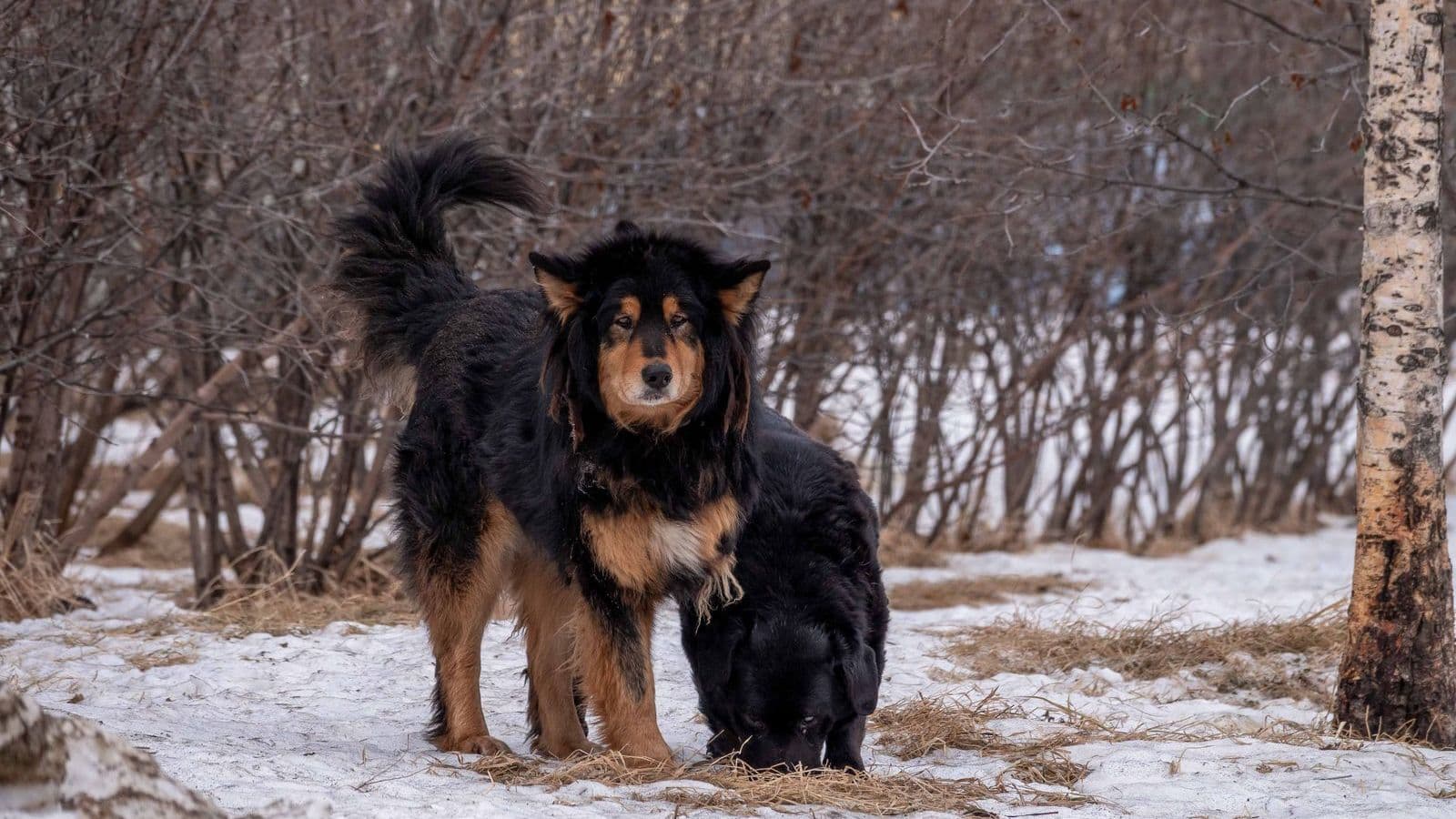
The Tibetan Mastiff is a massive, ancient, fiercely independent livestock guardian bred to patrol Himalayan villages alone and make life-or-death decisions without a handler. That self-reliance is the breed's entire purpose, and it is also why owners expecting an obedient companion are so often frustrated. Almost every Tibetan Mastiff problem comes from treating a primitive guardian like a biddable pet. Here are the five mistakes that cause the most trouble, and what to do instead.
1. Expecting obedience
The Tibetan Mastiff was bred to make its own decisions and will routinely decline a request it sees no reason to follow. Owners who expect prompt obedience read this as defiance and push harder, which gets them nowhere. Adjust your expectations dramatically, use high-value motivation, and understand that independent judgment is the breed's job, not a training failure to be corrected.
2. Under-socializing the guardian
The Tibetan Mastiff's powerful guardian instinct becomes genuinely dangerous without heavy socialization, hardening into broad suspicion in a dog of this size and strength. Owners who shelter the puppy assume the aloofness is harmless. Socialize intensively and positively from early puppyhood, counter-condition to people and dogs, and shape real discrimination. See our reactivity guide.
3. Expecting to eliminate night barking
The Tibetan Mastiff was bred to patrol and bark warnings through the night, and that nocturnal vocalizing is genetic, not a behavior to be trained away. Owners who expect silence are in for a serious problem, especially in non-rural homes. Manage it instead with indoor sleeping and by addressing specific triggers, and accept that some night voice comes with the breed.
4. Trusting off-leash or weak fencing
The territorial, roaming nature makes Tibetan Mastiff recall unreliable, and a dog that decides to patrol or wander is impossible to call back. Owners who trust open ground or a low fence lose the dog or face a liability. Use secure, tall fencing and long lines, never rely on recall for safety, and treat solid containment as non-negotiable.
5. Choosing it as an inexperienced owner
The Tibetan Mastiff's size, power, and independence demand experienced ownership and often rural property, and it is genuinely not a first dog. Owners who underestimate the commitment are quickly out of their depth. Be honest about your experience and setup before taking one on, and seek breed-specific guidance, because this guardian needs a handler who already knows what they are doing.
What works with Tibetan Mastiffs
Adjust expectations to the guardian mindset, socialize heavily, manage the barking realistically, use secure fencing, and ensure experienced ownership. The common thread is respecting a primitive, independent guardian: honor the self-direction, socialize intensively, contain securely, and the Tibetan Mastiff is a calm, devoted, dignified protector. Fight its nature, and you lose.
TailorPup's Tibetan Mastiff plan front-loads intensive socialization, uses guardian-appropriate motivation, sets realistic expectations, and helps manage the genetic barking.
Start your Tibetan Mastiff's plan at tailorpup.com →
Related: How to Train a Tibetan Mastiff · Barking Solutions · Reactivity Training