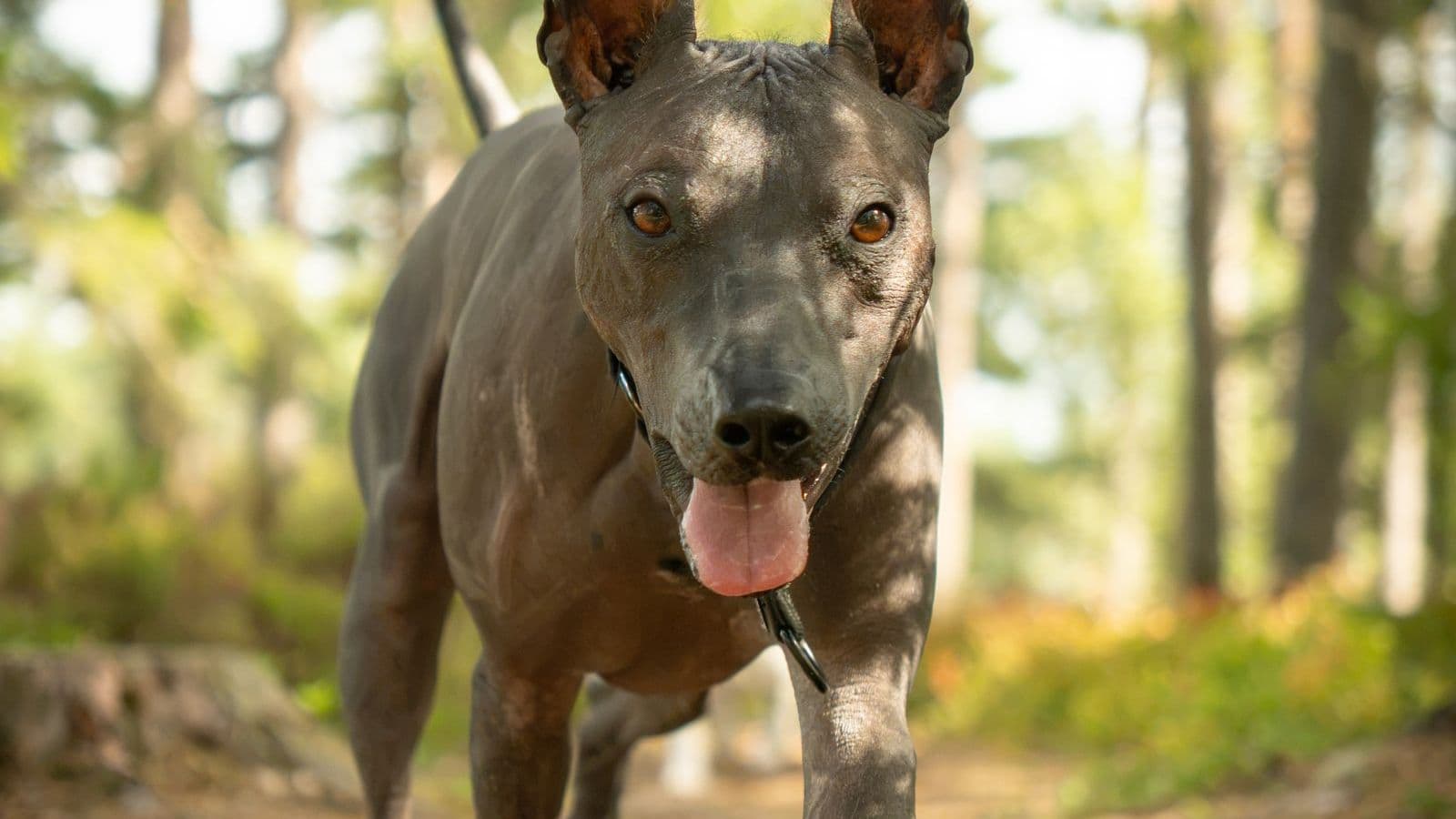
The Thai Ridgeback is one of the most primitive recognized breeds, an ancient Thai dog that developed with little human selection for biddability and retained strong independent judgment, a territorial instinct, sharp prey drive, and remarkable athleticism. It is intelligent and clean but genuinely different from a typical companion dog, and it suits experienced, informed owners. Almost every Thai Ridgeback problem comes from treating a primitive breed like an ordinary one. Here are the five mistakes that cause the most trouble, and what to do instead.
1. Treating it like an ordinary dog
The Thai Ridgeback's primitive traits are real: independent judgment, a territorial instinct, and strong prey drive shape everything it does. Owners who expect a biddable family pet are caught out. This breed needs experienced, informed handling that works with the primitive temperament rather than against it, so understand what you are taking on and adjust your approach to the dog you actually have.
2. Inadequate fencing
The Thai Ridgeback can clear a 1.8 metre fence with ease, and owners who underestimate the jump come home to an escaped, territorial dog. A loose primitive breed near prey is a serious risk. Provide secure, tall containment that accounts for its athletic, escape-capable nature, check for climbing aids, and treat robust fencing as a genuine safety priority for this remarkable jumper.
3. Skipping socialization
The Thai Ridgeback's territorial instinct, left unsocialized, produces serious problems with strangers, hardening into suspicion and reactivity. Owners who assume the aloofness is just temperament are building a liability. The puppy window is critical: socialize widely and positively during it, introducing new people, dogs, and places, so the adult distinguishes genuine threats from ordinary life.
4. Repeating commands
The Thai Ridgeback actively tests whether commands are enforced, and a repeated cue teaches it that one request is merely optional. Owners who nag train the dog to ignore the first ask. Ask once, wait for the response, reward compliance, and follow through calmly, so the dog learns that a single command from you consistently carries weight.
5. Expecting reliable off-leash recall near prey
The Thai Ridgeback's prey drive overrides recall the instant game appears, and owners who depend on a "come" cue near wildlife are caught out. The instinct simply wins. Use securely fenced areas for off-leash freedom, keep the dog leashed near prey, and manage the environment rather than assuming a recall will hold against a running animal.
What works with Thai Ridgebacks
Handle with experience, contain securely, socialize in the puppy window, ask once and follow through, and manage the prey drive. The common thread is informed, experienced handling: a primitive breed responds to a trust-and-value relationship, secure containment, and calm structure, not to force or to ordinary obedience drilling. Owners who adjust their expectations and methods to what the Thai Ridgeback actually is find it intelligent, clean, and deeply loyal.
TailorPup's Thai Ridgeback plan accounts for primitive independence, territorial instinct, and the breed's extraordinary athleticism.
Start your Thai Ridgeback's plan at tailorpup.com →
Related: How to Train a Thai Ridgeback · Recall Training · Leash Pulling · Puppy Training Basics