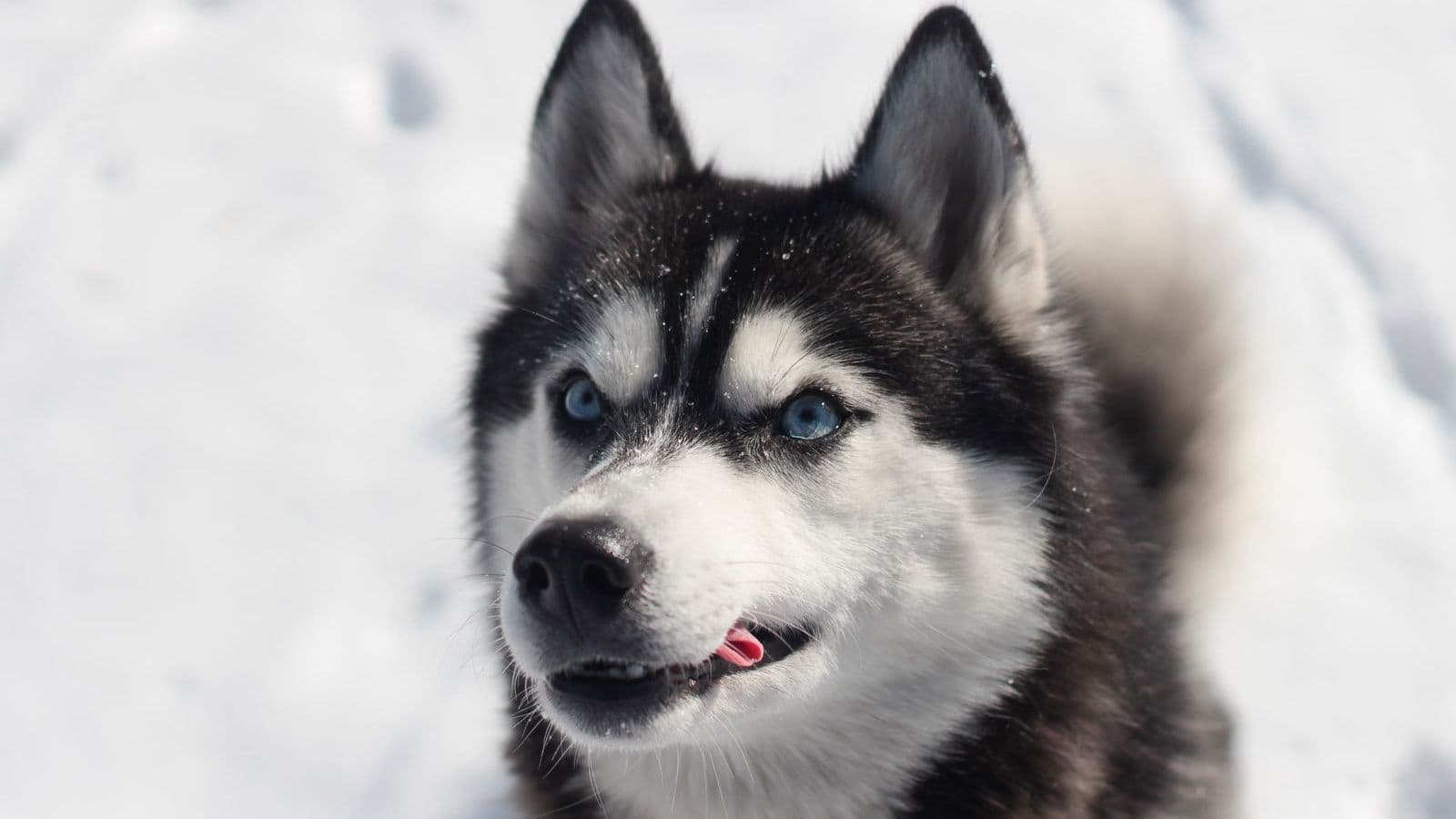
Most surrenders of Siberian Huskies to rescue happen within the first 18 months of ownership, and almost every one traces to the same handful of mistakes. The breed's needs are real and inflexible. Owners who try to make a Husky function as a normal pet dog without meeting the breed's specific requirements produce destructive, escape-prone, unmanageable dogs. Here are the patterns.
1. Trusting off-leash in open areas
Most Siberian Huskies cannot be safely off-leash in unfenced spaces, regardless of training quality. The breed was bred over centuries to run, including running away from handlers. Combined with intense prey drive, off-leash freedom is a real safety risk.
This isn't a training failure. It's the breed's biology. Use long lines in any unfenced area. Permanent equipment, not temporary aid. Most experienced Husky owners never trust their dogs off-leash in open spaces. Trying to push past this leads to lost dogs.
2. Insufficient exercise
A Husky needs 90+ minutes of vigorous daily exercise minimum. Working-line Huskies often need 2-3 hours plus mental work. Walks are completely insufficient for the breed.
Owners who provide pet-Labrador exercise levels produce destructive, vocal, escape-attempting Huskies. The breed will dig through drywall, destroy furniture, vocalize constantly, and attempt to flee the house if not adequately exercised. The activity requirements are non-negotiable.
3. Inadequate yard containment
Huskies dig under fences, climb over them, and squeeze through gaps that look impossibly small. A standard 4-foot fence doesn't hold a Husky. A 6-foot fence without concrete footers or buried wire usually doesn't either.
Adequate containment for the breed includes: 6-foot fences minimum, concrete footers or 18 inches of buried fence wire to prevent digging, top-of-fence considerations for climbers, and constant supervision in the yard for adolescent Huskies. Owners who skip this find their dog gone within months.
4. Underestimating prey drive
Cats, small dogs, rabbits, birds. Huskies will chase. Often the chase ends with the small animal injured or killed. Even Huskies raised with cats sometimes injure other cats they encounter, or even the cat they live with after years.
The drive is genetic and cannot be eliminated. Management is the only realistic approach: physical separation from small animals, supervised interactions only, never trust the Husky alone with small prey-shaped animals. Owners who don't take this seriously experience tragic outcomes.
5. Trying to train Husky-style with Labrador methods
Labradors and Goldens have eager-to-please wiring. The breed wants to do what you want. Huskies don't share that wiring. They were bred to make their own decisions during long runs.
Husky owners who use Lab-style training (constant praise, social rewards, mild treats) make minimal progress. The Husky responds to it but doesn't have the drive to please. Use high-value food rewards consistently. Make compliance more rewarding than non-compliance. The breed will work, but the rewards must match the alternative the dog is considering.
6. Mistaking talking for "untrained behavior"
Huskies are highly vocal. Howling, whining, woo-wooing, talking back. This is genetic and communicational, originally functioning between sled dogs.
Trying to eliminate vocalization through punishment damages the dog without solving the issue. Address triggers (boredom, loneliness, attention seeking) and accept the breed's vocal nature. A trained Husky is still a vocal dog.
7. Underestimating mental stimulation needs
Huskies are intelligent and need mental challenge daily. Physical exercise alone doesn't satisfy them. 20-30 minutes of daily mental work is required: puzzle feeders, training sessions, scent games, structured problem-solving.
Bored Huskies become destructive, vocal, and escape-attempting. Mental work is preventive medicine for almost every common Husky behavior problem.
8. Acquiring a Husky for the wrong reasons
Many Husky surrenders trace to owners who acquired the breed because they look beautiful, because Game of Thrones popularity, or because they wanted a wolf-like companion. The breed is not a pet for casual owners.
Realistic Husky ownership requires: 2+ hours of vigorous daily activity, secure containment, no cats or small pets, tolerance for vocalization, acceptance that off-leash freedom in open areas is generally not safe, and willingness to commit to the breed's specific needs for 12-15 years.
9. Punishment-based training
The breed's independence makes harsh methods particularly ineffective. Huskies don't have the eager-to-please drive that makes corrections "work" for some breeds. They shut down or escape instead of complying.
Reward-based methods with high-value rewards are the only effective approach. The American Veterinary Society of Animal Behavior recommends positive reinforcement for all breeds, and for Huskies specifically, aversive methods produce withdrawal, not learning.
What committed Husky ownership looks like
Pattern across all nine mistakes: Huskies thrive with committed owners who provide adequate exercise, secure containment, structured activities, realistic off-leash expectations, and reward-based training. They struggle with owners expecting pet-dog levels of effort.
TailorPup's Husky plan tracks exercise needs realistically, builds long-line recall as standard equipment, includes containment and escape prevention training, and matches reward intensity to the breed's independent nature.
Start your Husky's plan at tailorpup.com →
Related: How to Train a Siberian Husky · Recall Training Guide · Leash Pulling Solutions