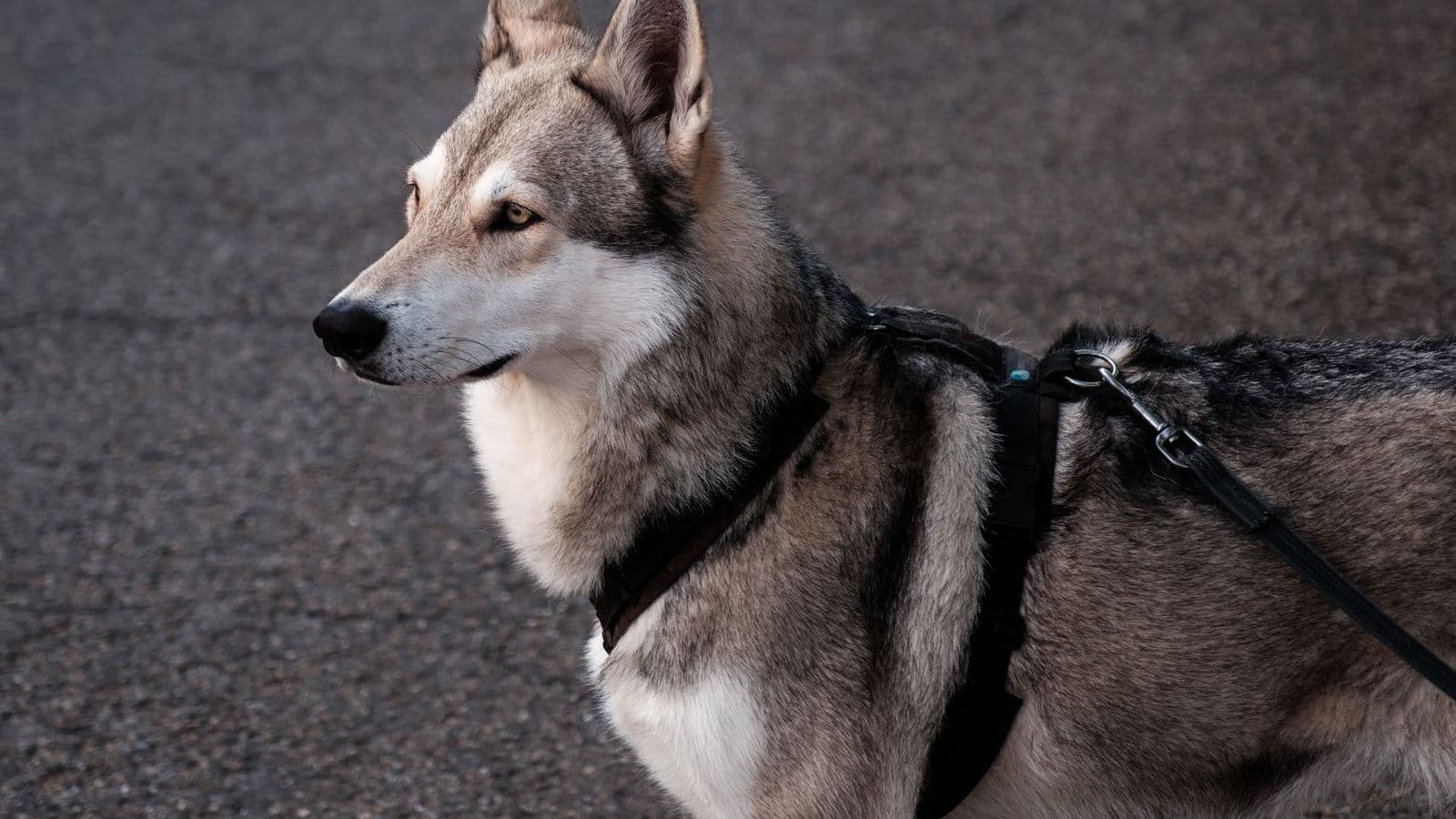
The Saarloos Wolfdog is a deliberate cross of German Shepherd and wolf, and it retained far more wolf-like temperament than the related Czechoslovakian Wolfdog: shy, avoidant, intensely pack-bonded, and prone to flight rather than confrontation. It is a striking but genuinely demanding animal that suits very few homes. Almost every Saarloos problem comes from treating a shy wolf-cross like an ordinary trainable dog. Here are the five mistakes that cause the most trouble, and what to do instead.
1. Forcing interaction or socialization
The Saarloos copes with pressure by fleeing, and owners who force it into interactions or new situations produce flight and fear, not confident exposure. Pushing actively damages the dog. All socialization must be voluntary: let the wolfdog approach new things in its own time, allow it to retreat freely, and build confidence through choice rather than coercion, which is the only thing that works with this temperament.
2. Expecting conventional obedience
The Saarloos was never bred for compliance, and owners who expect reliable obedience read its independence as defiance and grow frustrated. The breed simply does not work that way. Adjust your expectations dramatically toward realistic goals, value cooperation over control, and understand that a Saarloos that trusts you and follows your lead in its own way is the genuine success here, not crisp obedience.
3. Acquiring the dog for its appearance
The wolf look is striking, and many people acquire a Saarloos for the image without grasping that the wolf temperament is genuinely challenging and unsuited to most owners. The mismatch produces an overwhelmed handler and a stressed dog. Be brutally honest about your experience and lifestyle before taking one on, because this is a specialist's animal, not a striking pet for a typical home.
4. Weak containment
The Saarloos is shy and flight-prone, and a frightened wolfdog will go over or through inadequate fencing and may be very hard to recover. Owners who underestimate this lose the dog. Provide secure, high fencing designed for a determined, anxious escape risk, supervise outdoor time, and treat containment as a serious safety priority rather than an afterthought.
5. Training before trust is built
With the Saarloos the relationship comes first and commands second, and owners who rush into training drills before earning the dog's trust break the fragile bond they need. Pressure too early sets everything back. Invest in patient relationship-building first, let the dog learn that you are safe and predictable, and introduce training gradually once genuine trust exists between you.
What works with Saarloos Wolfdogs
Let socialization be voluntary, set realistic goals, build trust first, contain securely, and respect the wolf temperament. The common thread is trust before everything: the Saarloos copes with pressure by withdrawing, so voluntary socialization, patient relationship-building, and realistic goals are the whole game, not obedience drilling. An owner who lets the shy wolf-cross set the pace earns a deeply loyal companion within its limits.
TailorPup's Saarloos Wolfdog plan starts with trust-building rather than commands for a rare, shy wolf-cross breed.
Start your Saarloos Wolfdog's plan at tailorpup.com →
Related: How to Train a Saarloos Wolfdog · Recall Training · Leash Pulling · Puppy Training Basics