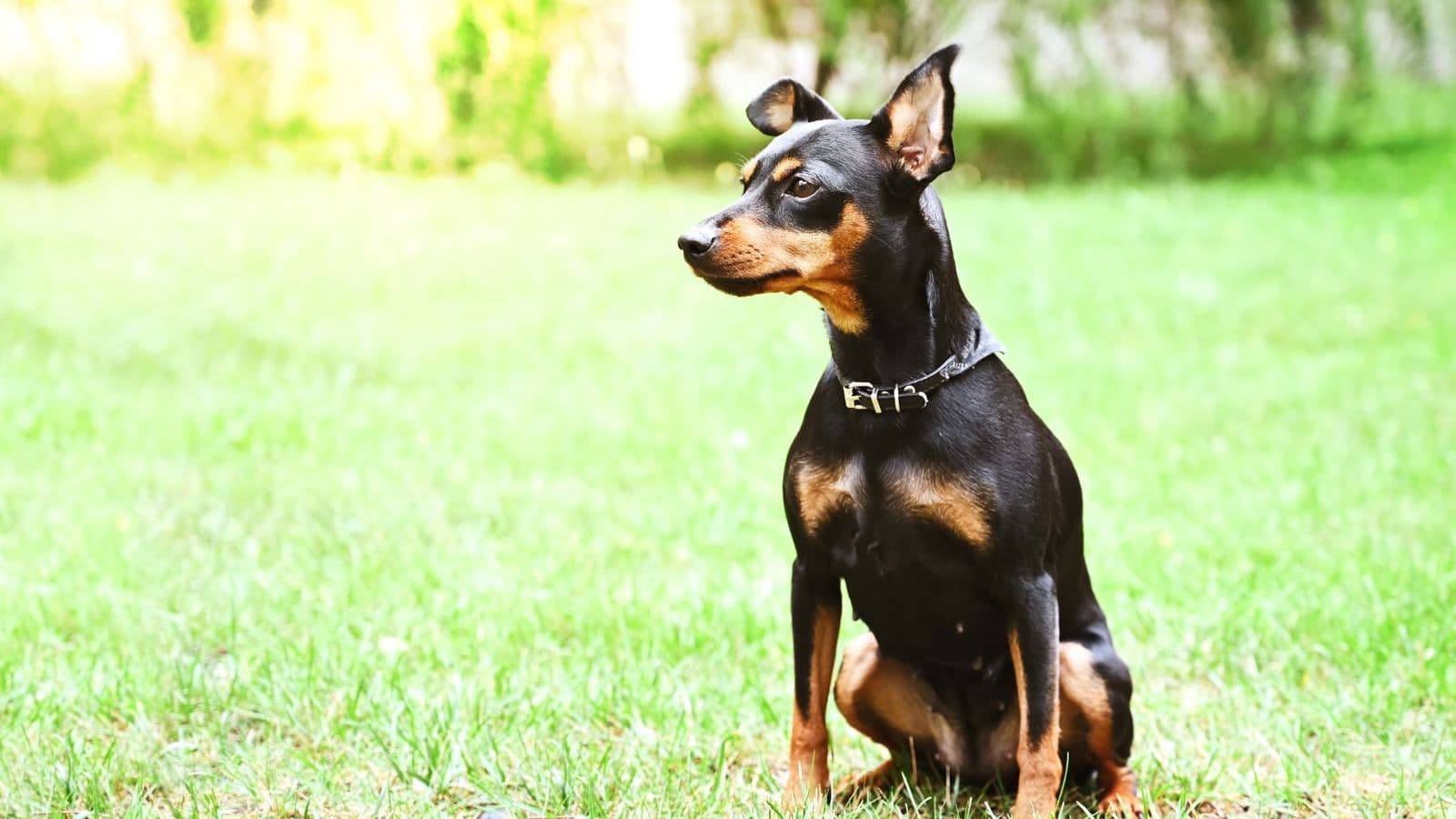
The Miniature Pinscher, the self-styled "King of Toys", is bold, fearless, athletic, and a notorious escape artist, packing a huge personality into a tiny frame. Owners are forever surprised by how much dog is in there, and most training problems come from under-managing it or treating it as a fragile lapdog. Here are the five mistakes that cause the most trouble, and what to do instead.
1. Skipping socialization
Because the Min Pin is tiny and bold, owners rarely take its early reactivity seriously, which is exactly how "small dog syndrome" and genuine reactivity develop. Unsocialized, that fearless confidence curdles into a snappy, defensive adult. Socialize hard during the puppy window with calm, positive exposure to people, dogs, surfaces, and sounds, so the boldness stays friendly rather than reactive.
2. Weak containment
The Min Pin is a famous escape artist that climbs, digs, squeezes through gaps, and bolts the instant a door opens, and a tiny dog loose near traffic has no margin for error. Owners who assume a small dog stays put lose it fast. Secure the fencing and gates, mind every door, and use a long line in open areas; never rely on a half-built recall to keep this breed home.
3. Over-indulging it
Carried everywhere, hand-fed, and excused from every rule, a Min Pin becomes a demanding, reactive little tyrant. Owners who treat it as a fragile accessory create the problem. Set the same boundaries you would for a large dog: make it walk, ask for a sit before meals and laps, and reward calm behavior. Treated as a real dog, the Min Pin rises to it.
4. Underestimating the energy
The Min Pin is genuinely athletic and energetic for its size, needing 45 to 60 minutes of activity plus mental work, and an under-exercised one becomes destructive, noisy, and frantic. Owners who treat it as sedentary are quickly proven wrong. Provide brisk daily walks, play, and training games, and the same dog settles happily at home.
5. Harsh handling
This is a confident, self-assured little dog that responds to reward-based training and resists harsh correction, which only fuels reactivity and stubbornness. Owners who try to force compliance make things worse. Keep training positive, brisk, and engaging, and the Min Pin's bold intelligence works for you instead of against you.
6. Letting 'small dog' behavior slide
A Min Pin that barks, lunges or guards things gets laughed off because of its size, but the behavior is just as much a problem as in a large dog and often gets worse if ignored. Train it with the same seriousness: reward calm behavior, teach polite greetings and give clear rules.
7. Underestimating escape skills
Miniature Pinschers are quick, athletic and curious, and can slip through small gaps or jump higher than you expect. Check fences, gates and doors, supervise outdoor time, and teach a solid recall before relying on any boundary.
8. Allowing jumps from furniture
Hopping on and off sofas and beds may look harmless, but repeated jumping from height is hard on a small dog's legs and joints. Use ramps or steps, teach the dog to wait before getting down, and reward calm, controlled movement.
A realistic weekly routine
A Min Pin week needs outlets for a lot of energy in a small body: two walks a day, short play or fetch sessions, and two or three five-minute training sessions that include tricks and recall. Give the dog a warm coat in cold weather, a food puzzle each day, and practice calm settling on a mat so the energy has a place to go.
What works with Min Pins
Socialize heavily, secure containment rigorously, hold the same boundaries you would for a big dog, meet the real exercise needs, and train with rewards. The throughline is taking a tiny, fearless escape artist seriously: manage the escaping, respect the energy, and refuse to over-indulge, and the Miniature Pinscher is a spirited, confident, genuinely well-mannered companion.
TailorPup's Min Pin plan front-loads socialization and confidence-building, emphasizes secure containment, schedules adequate exercise, and includes a barking protocol.
Start your Min Pin's plan at tailorpup.com →
Related: How to Train a Miniature Pinscher · Recall Training · Barking Solutions