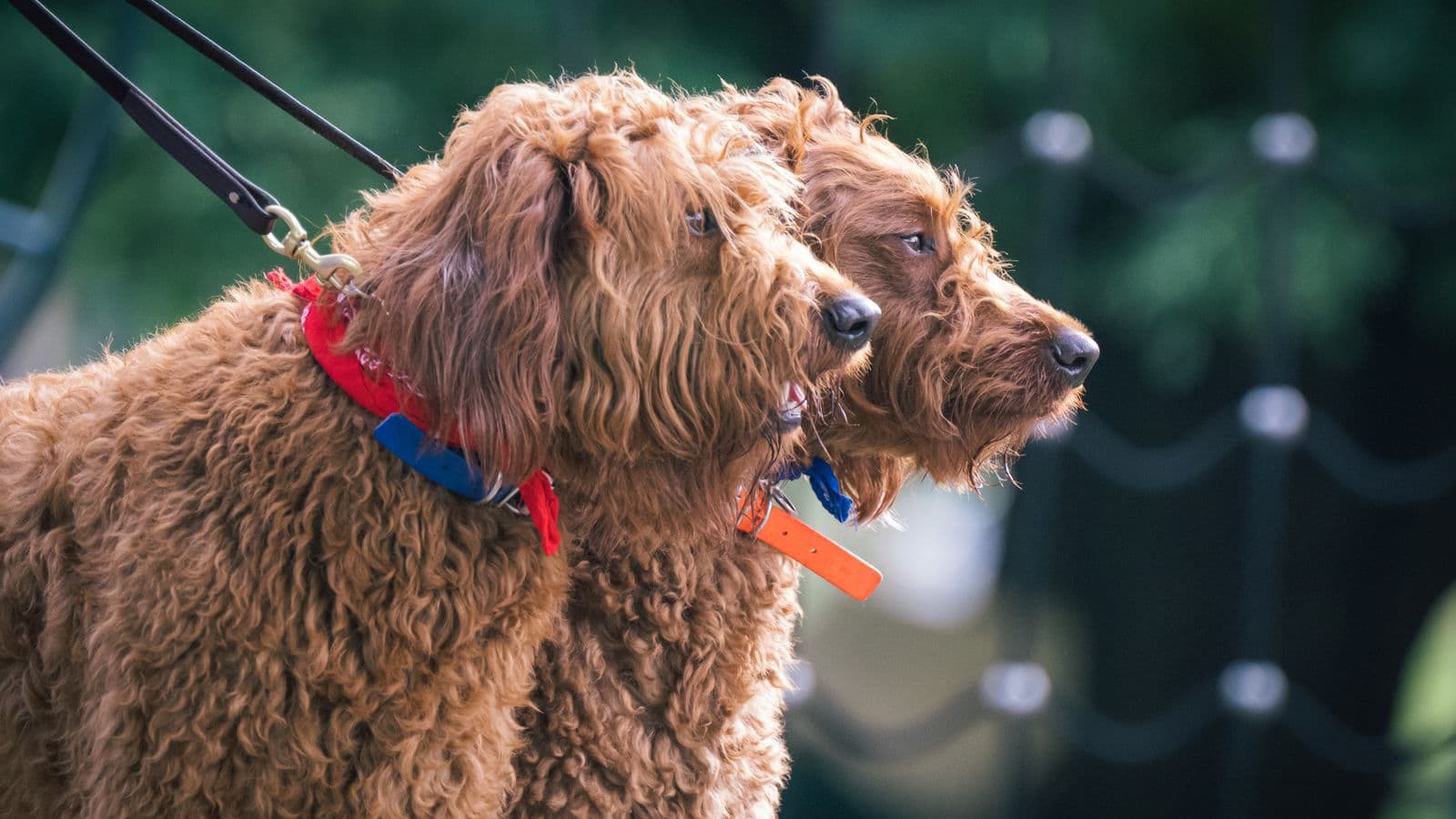
The Labradoodle crosses the bouncy, mouthy Labrador with the clever, driven Poodle, producing a friendly, intelligent, and often higher-energy dog than new owners expect. Both parents are working breeds, and the fluffy coat hides a real athlete with a strong need for company. Most problems come from underestimating that energy and the intense bonding. Here are the five mistakes that cause the most trouble, and what to do instead.
1. Underestimating the energy
Labradoodles are frequently more energetic than owners bargain for, since both parent breeds were bred to work all day, and an under-exercised one becomes destructive, mouthy, and frantic. Owners expecting a mellow companion are quickly overwhelmed. Provide substantial daily physical exercise plus mental work and training, and the same dog is calm and settled at home.
2. Skipping independence training
Both Labs and Poodles bond intensely, so the Labradoodle is prone to separation anxiety, distress, barking, and chewing when left alone. Owners who keep the puppy constantly at their side create the very problem they fear. From day one, build short, calm absences and a positive association with alone-time, so the attachment never turns into panic at departures.
3. Punishing the mouthing
The Lab side gives many Labradoodles a strong urge to mouth and carry things, and punishing it confuses the dog without addressing the need. Owners who scold the mouthing often make it worse. Redirect onto appropriate chews and toys, teach a solid "drop it" and "trade", and give the mouth a legitimate job; the behavior fades as the dog matures and learns the rules.
4. Skipping grooming desensitization
The wavy, low-shedding coat mats quickly and needs frequent brushing and professional grooming, and a dog never conditioned to accept handling turns every session into a struggle. Owners who skip this end up with a matted, stressed dog. From puppyhood, pair brushing, paw handling, and clipper sounds with treats in short sessions, so coat care stays calm for life.
5. Long daily isolation
As a companion cross, the Labradoodle struggles when left alone for long workdays, and prolonged solitude feeds the separation anxiety the breed is prone to. Owners who leave it solo all day end up with a distressed, destructive dog. Arrange companionship, midday breaks, or daycare so the dog is not isolated for hours on end.
What works with Labradoodles
Meet the substantial exercise and mental needs, front-load independence training, redirect the mouthing rather than punishing it, condition grooming early, and avoid long daily isolation. The throughline is respecting a high-energy, intelligent, deeply attached working cross: give it exercise, an outlet for its mouth, company, and structure, and the Labradoodle is a brilliant, affectionate, devoted companion.
TailorPup's Labradoodle plan schedules substantial exercise and mental work, front-loads independence training, redirects mouthing, and channels the cross's eager intelligence.
Start your Labradoodle's plan at tailorpup.com →
Related: How to Train a Labradoodle · Recall Training · Leash Pulling