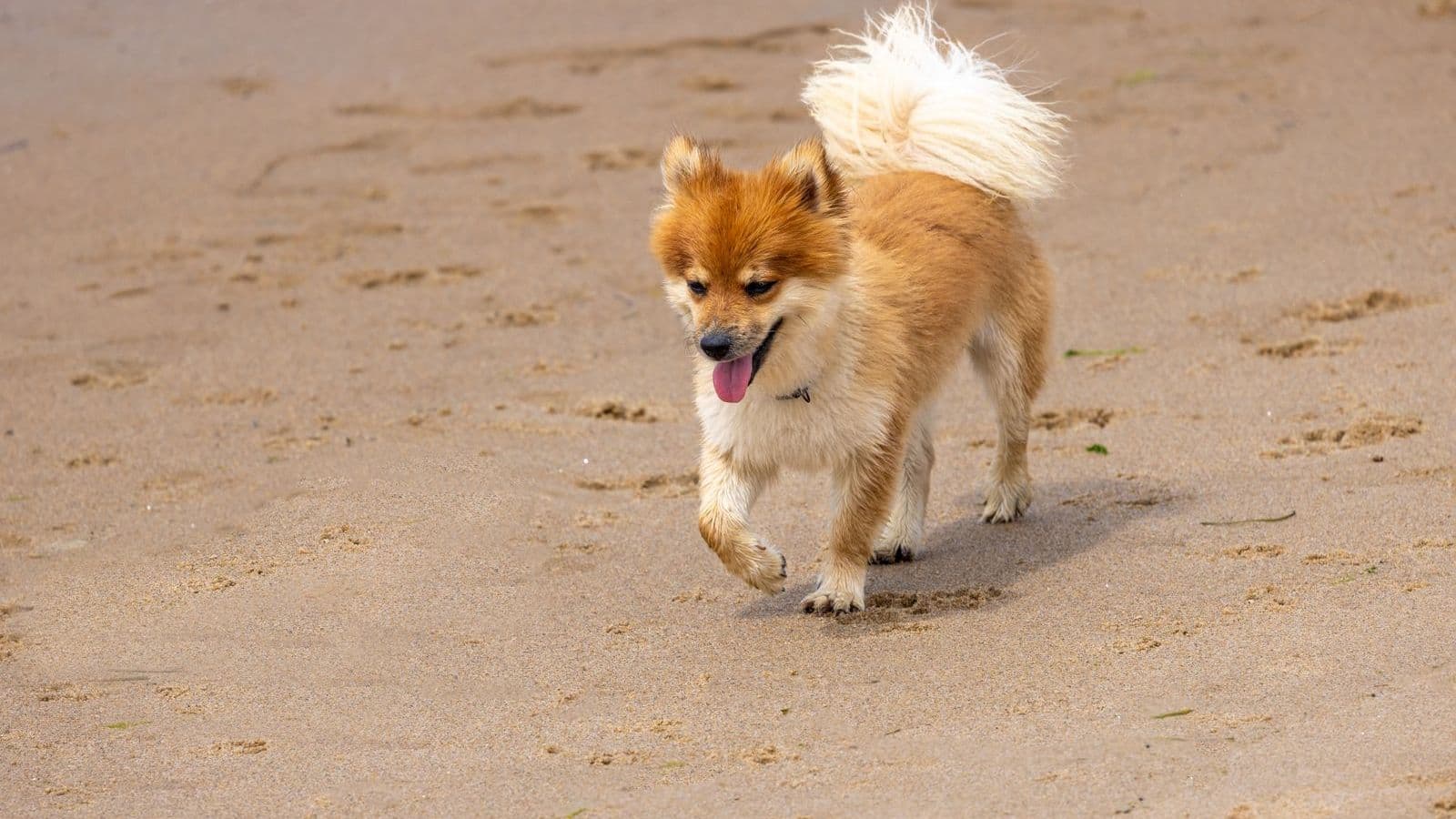
The Icelandic Sheepdog is Iceland's only native breed, a cheerful, energetic spitz herder bred to drive sheep and ponies across rugged terrain and to bark a warning at birds of prey overhead. That means the barking, the energy, and the herding instinct are all deliberate working traits, not flaws, and most training trouble comes from owners trying to suppress them instead of channeling them. Here are the five mistakes that cause the most trouble, and what to do instead.
1. Allowing alert barking to set in
The Icelandic Sheepdog barks by design, because alerting was literally its job, and the habit forms fast if it goes unmanaged. Owners who tolerate the early barking end up with a constantly vocal dog. Install a "quiet" cue from week one, reward calm responses to triggers, and manage the dog's environment, so the heritage of alerting stays useful rather than turning into nonstop noise.
2. Expecting a calm companion
The Icelandic Sheepdog is full of energy and bubbly enthusiasm, and owners who picture a placid fluffy lapdog are caught out by the drive. That liveliness is a feature requiring management, not a flaw. Plan for an active dog: provide real exercise and engagement, and appreciate the joyful character rather than trying to dampen the energy that defines the breed.
3. Under-exercising the dog
This is a working herder that needs around 60 minutes of vigorous daily activity plus mental work, and an under-exercised Icelandic Sheepdog turns its energy into barking, destruction, and restlessness. Owners who provide only short walks are overwhelmed. Give it genuine daily exercise plus brain work, and the same dog is settled, cheerful, and easy to live with at home.
4. Allowing herding of the family
The herding instinct targets running children and pets, and an unchanneled Icelandic Sheepdog will circle and nip to control them. Owners who let it slide reinforce the behavior. Redirect the herding consistently from the first occurrence toward play and structured work, reward calm, and never let the nipping succeed in moving anyone around the home.
5. A weak recall
The breed's independence and herding drive compete with recall, and a dog that catches movement will give chase if the recall was never properly built. Owners who assume the friendly dog will return are caught out. Invest in recall patiently on a long line with high-value rewards, proof it against movement, and keep reinforcing it so it holds up against the chase instinct.
What works with Icelandic Sheepdogs
Manage barking from day one, meet the energy needs, redirect herding, and build recall. The common thread is treating the breed's traits as heritage to manage, not flaws to suppress: the barking, the energy, and the herding were all bred in for a job, so a "quiet" cue, real exercise, and herding redirection channel them productively. Do that, and the joyful family dog the breed is known for shines through.
TailorPup's Icelandic Sheepdog plan takes the breed's vocal, energetic working character seriously with bark management.
Start your Icelandic Sheepdog's plan at tailorpup.com →
Related: How to Train an Icelandic Sheepdog · Barking Solutions · Recall Training · Puppy Training Basics