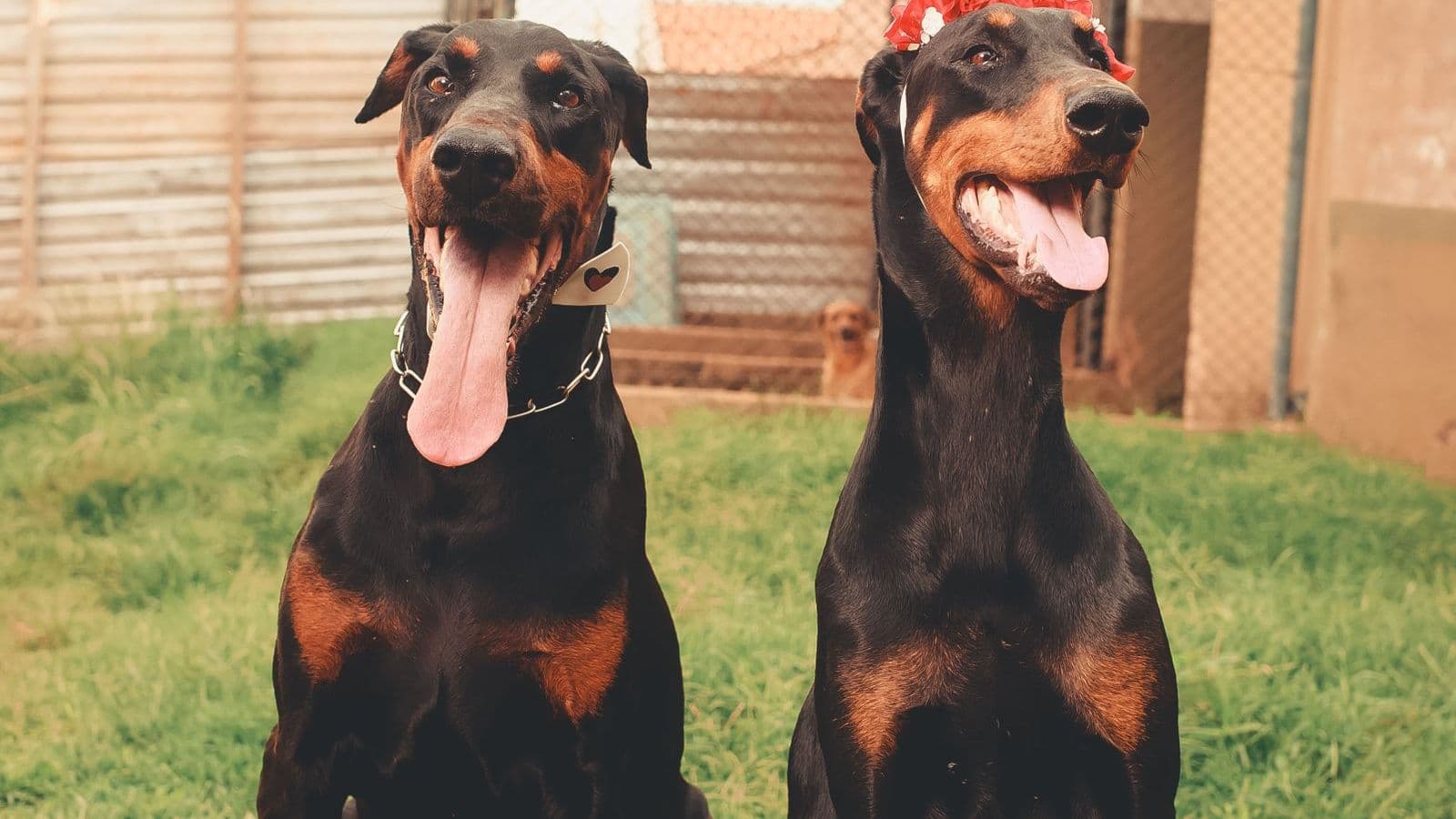
The Doberman is a brilliant, intense, and surprisingly sensitive working dog that bonds intensely to its person and reads human emotion closely. Beneath the sleek, formidable exterior is a dog often called a "velcro" companion, and that emotional wiring is the key to training it. Almost every Doberman problem comes from handling a sensitive, deeply bonded dog as though it were tough and aloof. Here are the five mistakes that cause the most trouble, and what to do instead.
1. Harsh, correction-based training
The Doberman is deeply sensitive and constantly reads your mood, so harshness produces fear and shutdown rather than compliance. Owners who expect a tough guard dog and train with corrections damage the bond fast. Reward-based methods are essential: keep your tone calm and encouraging, build cooperation through trust, and let the breed's eagerness to please carry the training.
2. Skipping separation conditioning
The Doberman's intense bond to its person makes separation anxiety a genuine risk, and owners who keep it constantly at their side create the problem. The devotion tips into distress at departures. Build alone-time tolerance from puppyhood with short, calm absences, increase them gradually, and teach the dog that being alone is safe and ordinary before the attachment hardens into anxiety.
3. Insufficient mental work
A Doberman without a job invents one, and the version it picks is reliably destructive, because the breed's intelligence demands an outlet. Owners who provide only physical exercise miss half the equation. Provide daily training, problem-solving, and structured activity, give the sharp mind a real task, and the same dog becomes settled and focused rather than restless and inventive.
4. Under-socializing around strangers
Without socialization the Doberman's natural protective instinct tips into reactivity and suspicion toward new people, which is serious in a powerful breed. Owners who assume the protectiveness is fine are caught out. Socialize broadly and positively from puppyhood, shape calm, confident behavior around strangers, and build a dog that discriminates real threats from ordinary visitors.
5. Inconsistent leadership
The Doberman needs clear, calm, consistent rules, and inconsistency creates genuine anxiety in this sensitive, intelligent breed that wants to know where it stands. Owners who enforce unevenly leave the dog unsettled. Hold steady, predictable rules that everyone applies the same way, lead with quiet confidence, and the security of consistent structure keeps the Doberman calm and responsive.
What works with Dobermans
Train with rewards, condition alone-time early, provide mental work, socialize broadly, and lead consistently. The common thread is the breed's emotional wiring: the Doberman gives back exactly what it is given, so a calm, connected, reward-based household produces a calm, connected dog, while tension and harshness produce anxiety and reactivity. Meet the needs for connection, mental work, and gentle handling, and the rest of training falls into place.
TailorPup's Doberman plan pairs engagement and mental work with early separation conditioning, all reward-based for a sensitive breed.
Start your Doberman's plan at tailorpup.com →
Related: How to Train a Doberman · Recall Training · Leash Pulling · Puppy Training Basics