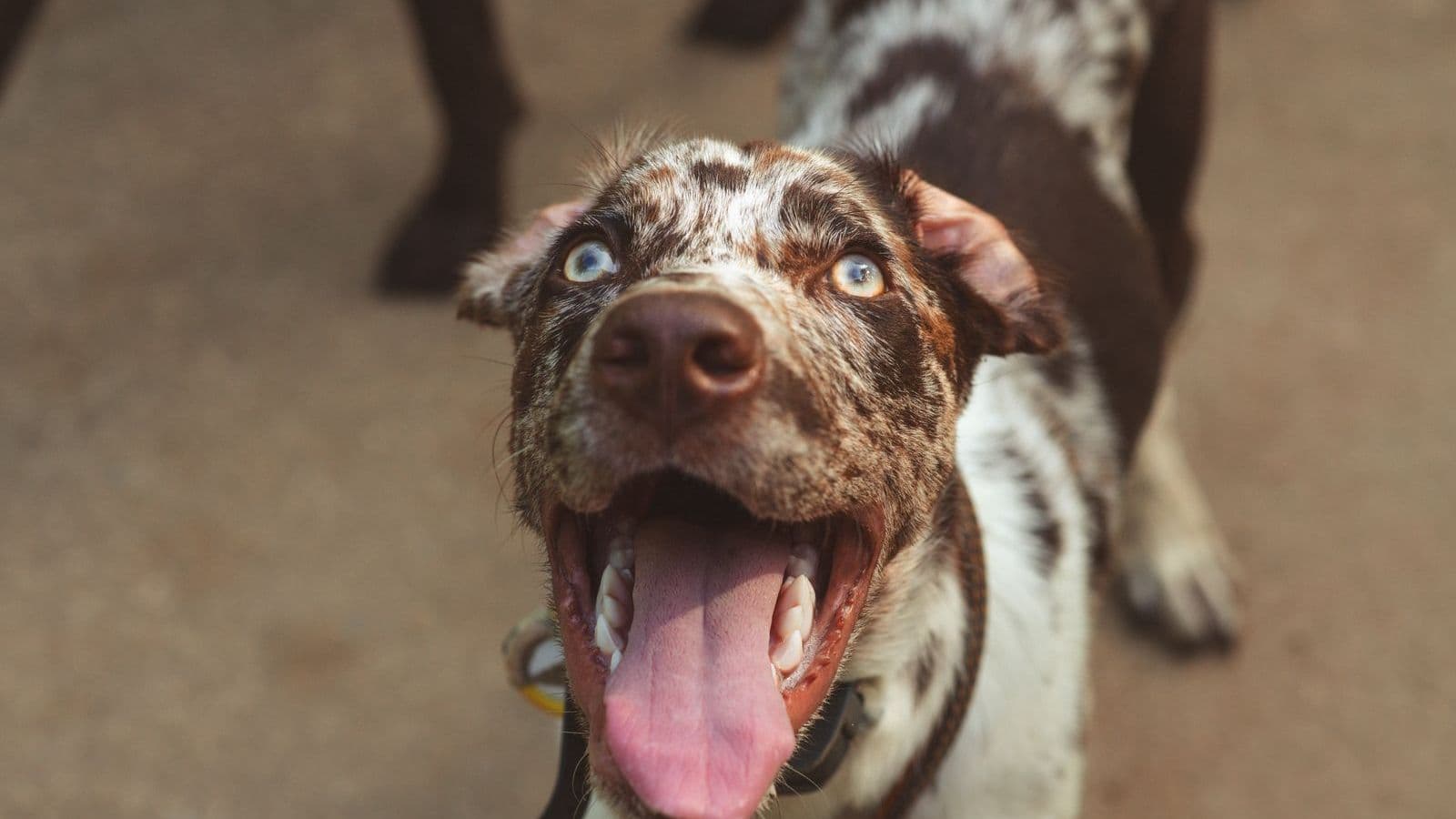
The Catahoula Leopard Dog is Louisiana's state dog, an independent, intense, multi-purpose American working breed developed to bay wild hogs and drive cattle through rough country. It is powerful, smart, and strongly wary of strangers, and it suits experienced, active owners rather than casual pet homes. Almost every Catahoula problem comes from treating a serious working dog as an ordinary companion or from neglecting its socialization. Here are the five mistakes that cause the most trouble, and what to do instead.
1. Under-stimulating the dog
The Catahoula is a serious working breed, and without daily physical and mental work it becomes destructive, restless, and difficult. Owners who expect a laid-back yard dog are quickly overwhelmed. Provide vigorous daily exercise plus real mental challenge and a job, and the same dog becomes settled and manageable, because the intensity has to be channeled rather than left to ferment.
2. Skipping socialization
The Catahoula's natural stranger-wariness, left unsocialized, hardens into reactivity and suspicion, which is serious in a powerful, protective breed. Owners who assume the aloofness is just temperament are building a problem. Socialize early and positively during the puppy window, introducing new people, dogs, and places, so the dog learns to distinguish genuine threats from ordinary life.
3. A weak recall foundation
The Catahoula's independence and working drive compete hard with recall, and a dog that catches scent or game will commit to the chase if the recall was never built. Owners who rely on a half-trained cue lose the dog. Build recall patiently on a long line with high-value rewards, proof it against distractions, and treat a reliable recall as essential for a driven, independent working breed.
4. Harsh handling
The Catahoula is independent and confident, and it responds to calm, confident, reward-based handling rather than pressure or force, which only provokes resistance. Owners who try to dominate it invite a standoff. Lead with quiet authority, reward what you want, and stay absolutely consistent, and the dog respects you as a capable partner rather than fighting heavy-handed control.
5. Providing no job or structured work
A working dog without a job invents one, and an unoccupied Catahoula turns its considerable drive toward destruction and trouble. Owners who keep it as a pet with no role waste the breed's best quality. Give it genuine work, herding, agility, tracking, or another structured activity, and channel that intensity into something purposeful and satisfying.
6. Leaving a working dog without a job
Catahoulas were bred for demanding outdoor work, and a dog with nothing to do will invent its own, usually by digging, chewing or herding people and other pets. Give it a daily outlet: long walks or hikes, structured fetch or tracking games, and short training sessions that make it think.
7. Underestimating strong will and independence
A Catahoula may question instructions and test boundaries, especially in adolescence. Owners who respond with force see the dog push back. Stay calm, make rewards worth the effort, and be consistent about house rules so the dog knows what is expected.
8. Skipping early socialization
A confident, active dog still needs positive exposure to other dogs, people and environments from a young age. Without it, it can become pushy or wary. Introduce new situations gradually, reward calm behavior and keep greetings short and controlled.
A realistic weekly routine
A Catahoula week needs real activity: a long walk, run or hike most days, two or three short training sessions with focus on recall, impulse control and settling, and a mental challenge such as a scent game or puzzle. Supervise outdoor time, check fences carefully, and give the dog a place to rest after activity so it learns to switch off.
What works with Catahoula Leopard Dogs
Provide daily work, socialize early, build recall, handle confidently with rewards, and give the drive a job. The common thread is channeling a serious working dog: a real job, vigorous exercise, thorough socialization, recall against the drive, and confident reward-based handling keep the Catahoula balanced. Treat it as an ordinary pet and the intensity and stranger-wariness become problems; give it work and structure, and that drive becomes its greatest asset.
TailorPup's Catahoula plan channels the breed's working independence with socialization and recall.
Start your Catahoula Leopard Dog's plan at tailorpup.com →
Related: How to Train a Catahoula Leopard Dog · Recall Training · Leash Pulling · Puppy Training Basics