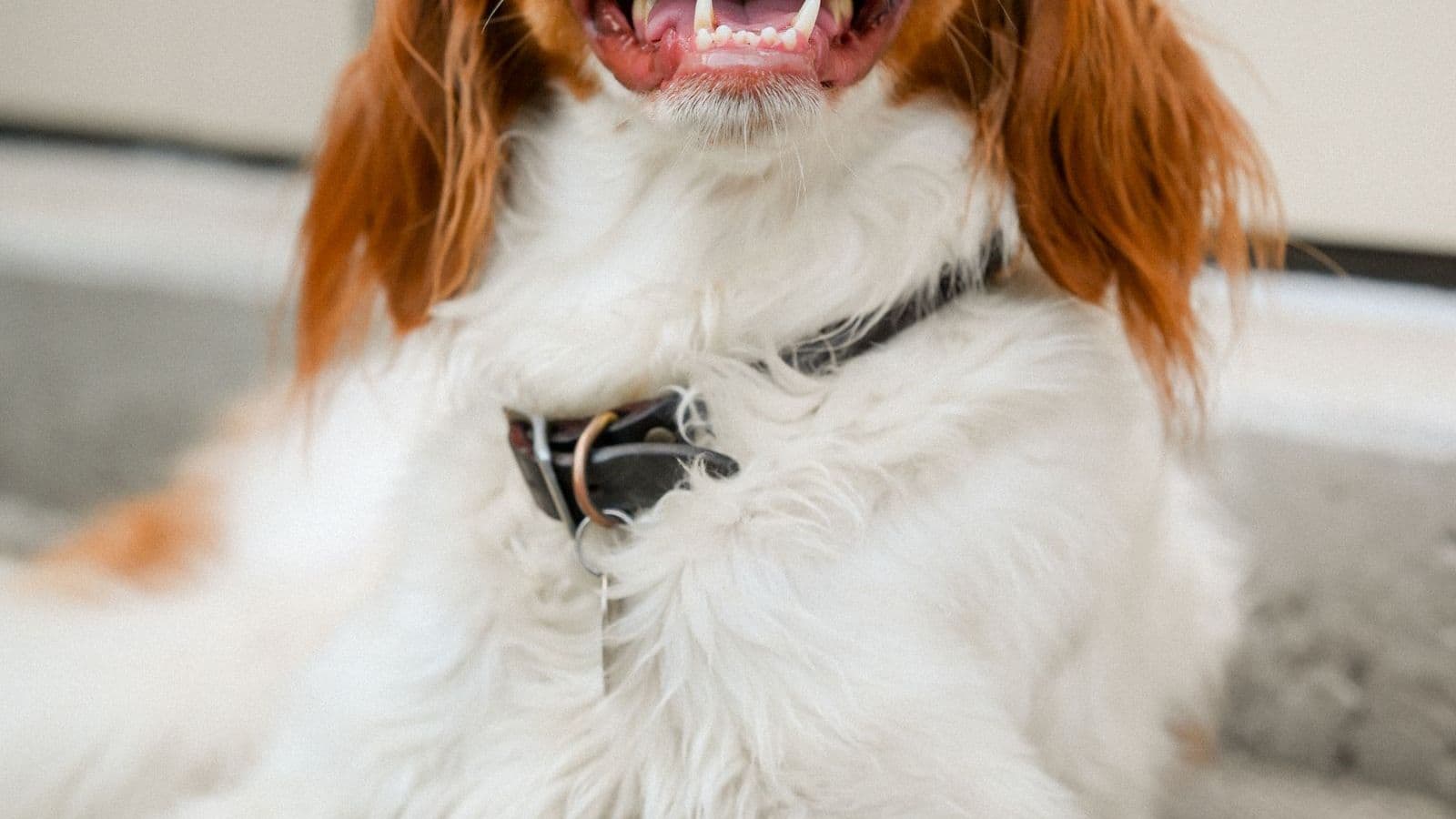
The Brittany is an athletic, eager-to-please bird dog that trains beautifully, as long as its two defining traits are respected: a very high energy level and exceptional emotional sensitivity. Bred to range and point in the field, it bonds closely to its people and reads their mood acutely, and most training trouble comes from under-exercising it or handling it too harshly. Almost every Brittany problem traces back to those two things. Here are the six mistakes that cause the most trouble, and what to do instead.
1. Underestimating exercise needs
Brittanys are among the most energetic sporting breeds, needing one to two hours of vigorous daily exercise, and an under-exercised one becomes anxious, destructive, and hyperactive. Owners who picture a manageable medium dog are overwhelmed. Provide real activity, running, fieldwork, and fetch, because walks alone simply do not cut it, and the well-exercised Brittany is calm and easy at home.
2. Harsh handling
Brittanys are among the softest sporting breeds emotionally, and a sharp tone or correction genuinely distresses them, sometimes creating lasting fearfulness. Owners who try to be firm do real damage. Gentle, positive methods are not optional but essential for this breed, so keep your tone warm and encouraging, make cooperation rewarding, and protect the sensitive, trusting nature that defines the Brittany.
3. Skipping independence training
The closely bonded Brittany can develop separation anxiety, and owners who keep it constantly at their side create the problem. The devotion tips into distress when left alone. Start independence work in puppyhood with short, calm absences, build them up gradually, and teach the dog that being alone is safe and ordinary before the strong attachment hardens into anxiety.
4. Going off-leash too early
The Brittany's bird and scent drive overrides recall, and owners who trust open ground before recall is solid lose the dog to a chase. The instinct outcompetes a half-built cue. Use a long line in open areas for months, build recall patiently against distractions, and earn reliable off-leash freedom rather than assuming the friendly dog will check in near birds.
5. Exercising the body but not the mind
The intelligent Brittany needs mental work alongside physical exercise, and owners who only run the dog leave the clever mind unoccupied and restless. Physical tiredness alone is not enough. Add scent games, training, and puzzle feeders to the routine, give the mind a real job, and a mentally engaged Brittany is noticeably calmer and more settled than one that is only physically tired.
6. Long daily isolation
The sensitive, bonded Brittany struggles when left alone for long periods, becoming anxious and destructive. Owners with long absences and no plan create real distress. Brittanys suit active homes where they are well-exercised and not isolated all day, so arrange company, exercise, and enrichment around any absences rather than leaving this attachment-driven breed alone for long stretches.
What works with Brittanys
Provide one to two hours of daily exercise, use gentle methods always, front-load independence training, manage the bird drive with a long line, add mental work, and avoid long isolation. The common thread is respecting a sensitive, high-energy bird dog: meet the energy, go gently, and keep the dog engaged and included, and the Brittany is a brilliant, affectionate, gentle companion.
TailorPup's Brittany plan schedules adequate exercise, uses gentle reward-based methods, front-loads independence training, and channels the bird drive productively.
Start your Brittany's plan at tailorpup.com →
Related: How to Train a Brittany · Recall Training · Leash Pulling