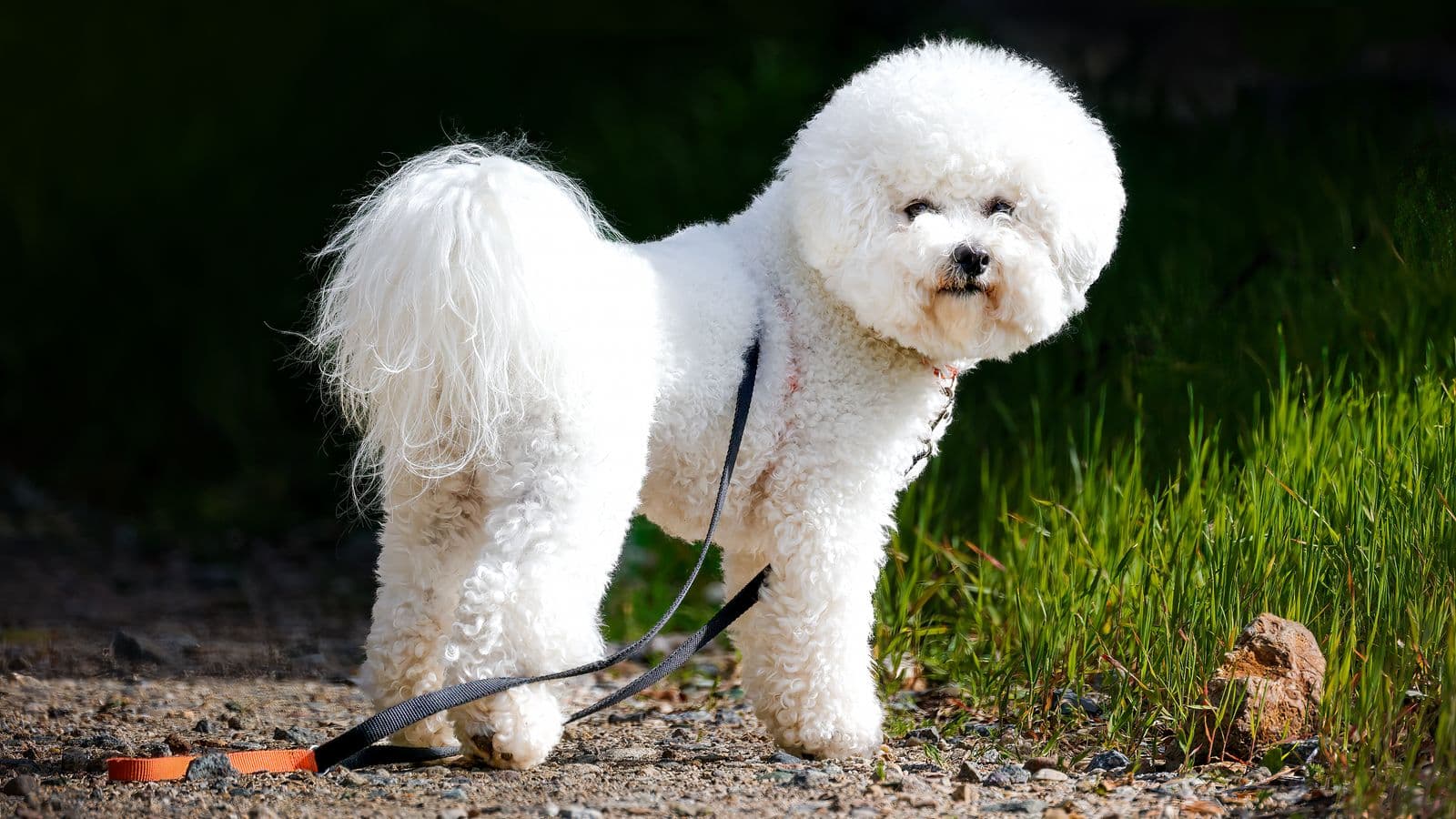
The Bichon Frise is a cheerful, trainable companion breed developed over centuries purely for human company, and that history shapes everything about it. It is bright and eager to please, but its intense bond with people makes separation anxiety its defining risk, and its tiny size brings house-training and management challenges. Almost every Bichon problem comes from that deep attachment and the way owners handle a small, sensitive dog. Here are the six mistakes that cause the most trouble, and what to do instead.
1. Skipping independence training
This is the breed's biggest risk and most common problem. Bred for constant companionship, the Bichon is genuinely prone to separation anxiety, and without early independence work many develop barking, destruction, and distress when alone. Owners who keep it constantly at their side create the problem. Start independence work in puppyhood with short, calm absences, building tolerance before the attachment hardens into anxiety.
2. Giving up on house training
Small bladders make house training slower, and inconsistency produces failures and discouraged owners who assume the dog cannot learn. It can, with structure. Hold a strict schedule, reward every success heavily, and clean up accidents calmly over four to six months, with indoor pads as a reasonable backup, giving the process the patience a small dog genuinely needs.
3. Long daily isolation
The companion-bred Bichon genuinely struggles alone, and leaving it isolated all day fuels the anxiety the breed is prone to. Owners with long absences and no plan create real distress. The Bichon suits homes where it is not left alone for long periods, so arrange company, enrichment, and gradual alone-time training rather than expecting this attachment-driven breed to cope with long solitary stretches.
4. Harsh handling
The cheerful, sensitive Bichon is genuinely damaged by corrections, becoming anxious or withdrawn rather than compliant. Owners who try to be firm misjudge a soft-natured dog. Reward-based training is both more effective and what the breed needs, so keep your tone warm and encouraging, make cooperation rewarding, and never use harshness on a dog this emotionally delicate.
5. Ignoring barking triggers
Bichon barking usually stems from separation anxiety, boredom, or alerting, and owners who address only the noise rather than the cause make no lasting progress. The barking is a symptom. Address the root, build independence, provide stimulation, and manage triggers, and the barking eases naturally, because treating the underlying anxiety or boredom is far more effective than suppressing the sound.
6. Over-pampering without structure
The fluffy, cheerful Bichon invites pampering, but a dog with no structure becomes demanding and can develop small-dog reactivity. Owners who indulge every whim create a bratty companion. Provide training and clear boundaries alongside the affection, ask for simple behaviors before rewards, and the same sweet dog stays well-mannered rather than turning into a tiny tyrant.
7. Carrying them everywhere
It is tempting to scoop a small dog up all day, but a Bichon that is always carried never learns to walk calmly on a leash or to be comfortable on the floor around other dogs and people. Let the dog walk, sniff and meet the world at its own height, and keep carrying for moments when it is truly needed.
8. No grooming desensitization
The Bichon's fluffy coat needs regular brushing and professional trims for life. A dog that has not been taught to accept the dryer, clippers and table will panic at the groomer. Introduce each tool gradually in short, happy sessions and pair it with treats long before you actually need it.
A realistic weekly routine
Weekly rhythm for a Bichon: several short walks that include sniffing time, two or three five-minute training sessions with small treats, a short play session or trick practice each day, and daily gentle brushing. Practice short departures several times a week, starting with seconds and building up, so being left alone stays calm. Keep the toilet schedule predictable and reward every success right away.
What this looks like at home
The scene. The Bichon spends every evening on a lap and every morning crying at the door as you leave. The house-training slips a little each week, and you put it down to the dog being "stubborn".
What to do instead. Build alone time like a muscle. Start with the dog in a pen or a quiet room for a few minutes while you are home, with a chew, then lengthen it. Keep house-training boring and exact: same door, same spot, a treat the instant it finishes. Walk the dog on its own paws most of the time so it learns the world at ground level. Add a short grooming practice every day (brush, feet, face) so salon visits are not a surprise.
What works with Bichons
Front-load independence training, be patient with house training, avoid long isolation, use gentle methods, address barking at its root, and provide structure with the affection. The common thread is managing a deeply bonded companion: build independence, keep the dog included, and pair affection with structure, and the Bichon is a delightful, well-adjusted companion.
TailorPup's Bichon plan front-loads independence training, includes a house-training protocol, and channels the breed's cheerful trainability into engaging sessions.
Start your Bichon's plan at tailorpup.com →
Related: How to Train a Bichon Frise · Recall Training · Barking Solutions