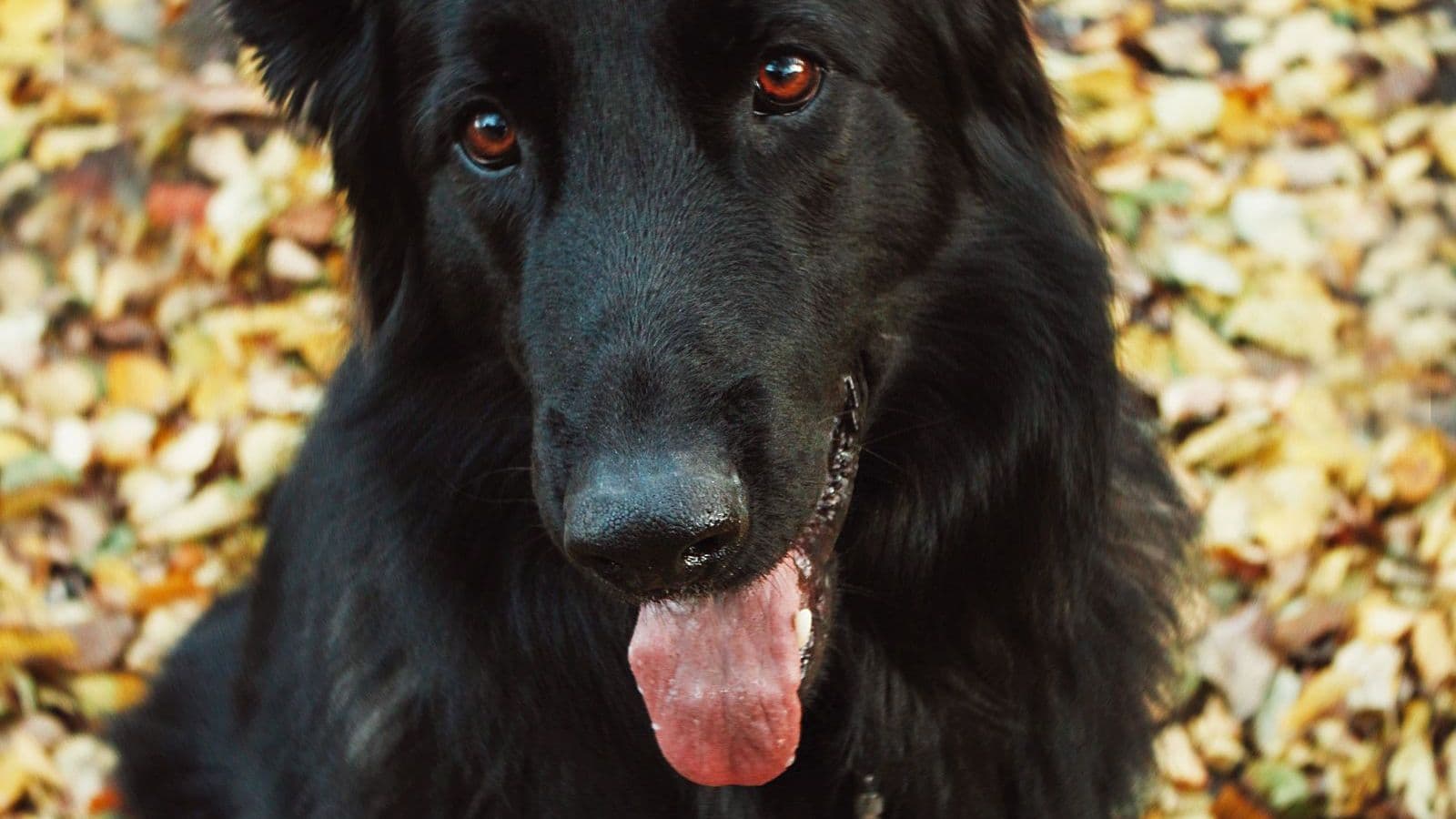
The Belgian Groenendael is the elegant black-coated variety of the Belgian Shepherd, a sensitive, intense, highly intelligent herding dog with a powerful attachment to its handler. That brilliance and devotion make it dazzlingly responsive in the right hands, but the same sensitivity means it crumbles under pressure and struggles when left alone unprepared. Almost every Groenendael problem comes from mishandling the sensitivity or the attachment. Here are the five mistakes that cause the most trouble, and what to do instead.
1. Harsh or pressured training
The Groenendael is highly sensitive, and pressure, harsh corrections, or heavy-handed drilling cause it to shut down and lose confidence rather than comply. Owners expecting a tough working dog overcorrect and damage the bond fast. Reward-based work is the only genuinely effective approach: keep your tone calm and encouraging, build cooperation through trust, and let the breed's eagerness carry the training.
2. Skipping alone-time conditioning
The Groenendael's strong handler attachment makes separation anxiety a real risk, and owners who keep the dog constantly at their side create the very problem they fear. The devotion tips into distress at departures. Build independence deliberately from puppyhood with short, calm absences, increase them gradually, and teach the dog that being alone is safe and ordinary before the attachment hardens into anxiety.
3. Under-stimulating the dog
This is a working breed that needs daily mental and physical work, and a Groenendael left under-occupied channels its intelligence into anxiety, pacing, and destruction. Owners who expect a calm companion underestimate the drive. Provide real daily exercise plus training, problem-solving, or a dog sport, and give the bright, busy mind a genuine job so it stays settled and balanced.
4. A weak recall foundation
The herding drive competes with recall, and a Groenendael that catches movement will give chase if the recall was never properly built. Owners who rely on the bond alone are caught out near traffic or livestock. Invest in recall patiently on a long line with high-value rewards before allowing off-leash freedom, and proof it against the movement that triggers the chase instinct.
5. Insufficient socialization
The alert, sensitive Groenendael temperament needs broad positive exposure to stay confident, and a dog that misses early socialization easily tips into wariness and reactivity. Owners who shelter the puppy assume the sensitivity is fixed. Socialize widely and gently during the puppy window, introducing new people, dogs, and places calmly, so the keen temperament stays balanced rather than reactive.
What works with Belgian Groenendaels
Train gently with rewards, condition alone-time, provide daily work, build recall, and socialize broadly. The common thread is reward-based handling for a brilliant, sensitive herder: gentle training, early separation conditioning, a real job, and thorough socialization are the foundation, because pressure shuts the breed down. Meet the sensitivity, the drive, and the attachment together, and the Groenendael is a dazzlingly responsive, devoted companion.
TailorPup's Groenendael plan pairs reward-based engagement with separation conditioning for a sensitive working breed.
Start your Belgian Groenendael's plan at tailorpup.com →
Related: How to Train a Belgian Groenendael · Recall Training · Leash Pulling · Puppy Training Basics