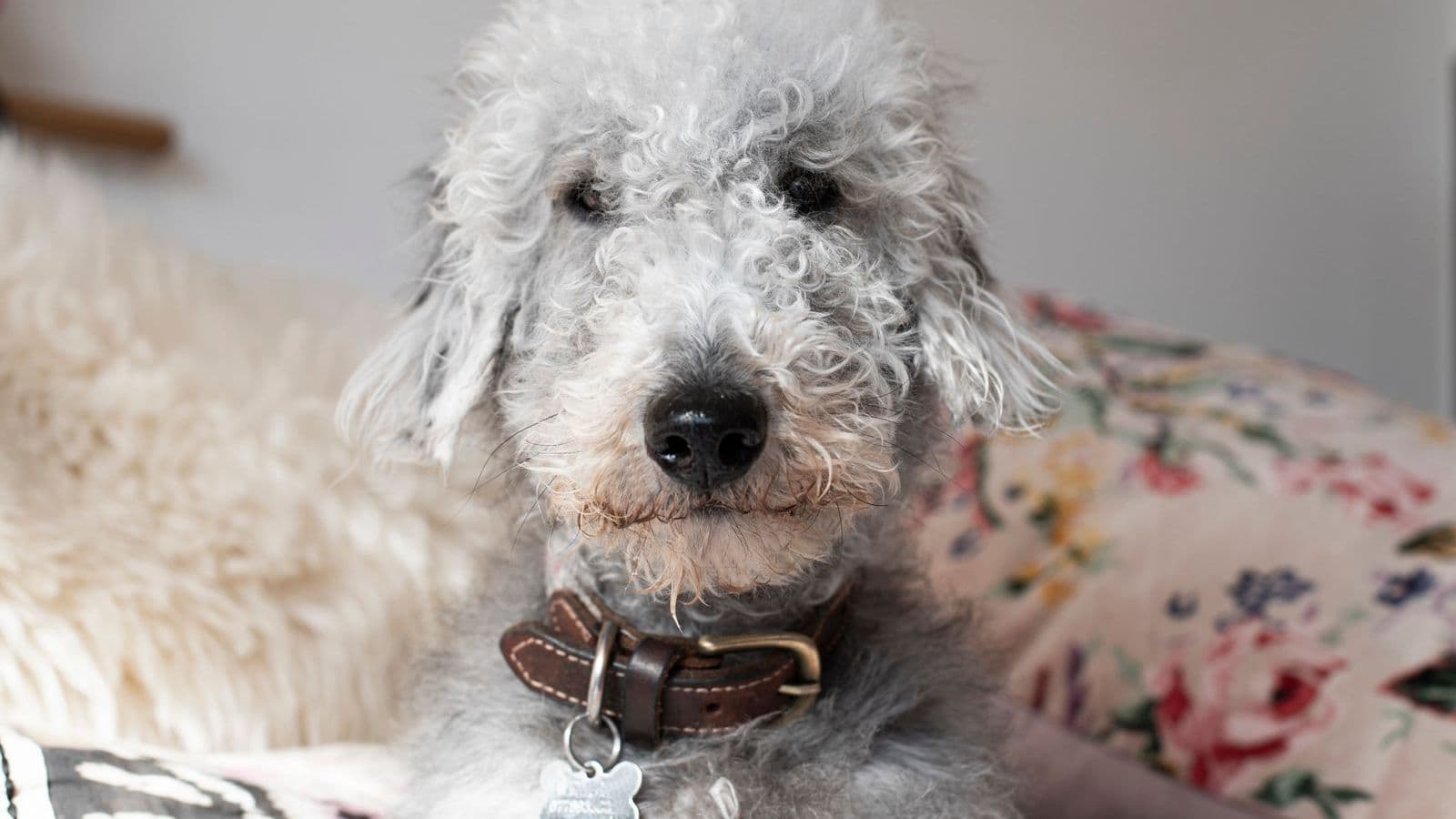
The Bedlington Terrier looks like a lamb, with its arched back and trimmed, woolly coat, but underneath is one of the fastest, gamest working terriers ever bred, with a turn of speed close to a small sighthound. Most training problems come from owners taking the gentle appearance at face value and underestimating the working drive and athleticism. Here are the five mistakes that cause the most trouble, and what to do instead.
1. Trusting it off-leash too soon
The Bedlington combines a true terrier prey drive with sighthound-like speed, so a dog that locks onto a rabbit, cat, or squirrel is gone in a flash and well past any half-built recall. Owners who trust open ground lose the dog over a fence line or across a road. Build recall patiently on a long line with high-value rewards, and treat reliable off-leash freedom as a securely fenced goal.
2. Underestimating the working drive
The lamb-like looks hide a tough, athletic dog that needs real exercise and a job, and an under-exercised Bedlington channels that energy into digging, chewing, and restlessness. Owners who expect a decorative companion are quickly proven wrong. Give it genuine daily exercise plus play and training, and the same dog is calm and pleasant indoors.
3. Ignoring the alert barking early
Like all terriers, the Bedlington is ready to sound off, and a few early woofs become an entrenched alarm habit if they earn attention or go unmanaged. Owners who let it slide end up with a dog that barks at every trigger. Shape a "quiet" cue from the start, manage the triggers, and reward calm. Our barking guide covers the full protocol.
4. Harsh handling
For all its toughness with quarry, the Bedlington is gentle-natured and affectionate with its people, and it responds to rewards rather than corrections. Owners who handle it harshly get a hesitant, less cooperative dog and erode the bond. Use reward-based methods, keep sessions upbeat, and the breed's keen intelligence shines.
5. Not providing terrier outlets
A fast, driven terrier with no legitimate outlet for its prey drive and speed invents its own entertainment, usually destructive. Owners who provide only neighborhood walks miss what the breed craves. Channel the drive into a flirt pole, structured fetch, lure coursing, and earthdog activities, so the Bedlington's athleticism has somewhere productive to go.
6. Expecting a gentle lamb
A Bedlington looks soft and sheep-like, but it is a terrier with real determination. Owners who expect a mellow dog meet energy, stubbornness and a strong chase instinct. Plan for a lively, clever dog: daily exercise, short training sessions and a way to use its brain. Clear, consistent rules and rewards work better than pressure.
7. Off-leash around small animals
Terrier prey drive is strong, and a Bedlington that spots a small animal can be gone in an instant. A recall that works in the kitchen will not hold against a squirrel. Practice on a long line with high-value rewards, increase distractions slowly and only let the dog off in secure areas. Keep the lead on wherever you cannot guarantee safety.
8. Skipping grooming handling
The Bedlington's distinctive coat needs regular brushing and trimming, and a dog that has not learned to accept handling will fight it. Introduce the brush, comb and clippers gradually with treats and keep sessions short. Start in puppyhood and reward calm behavior. Regular vet check-ups are part of caring for the breed, and your vet can advise on specific health concerns.
9. Ignoring the digging and chasing outlet
A terrier needs a legitimate way to use its instincts. Provide a digging area or scent games and teach 'leave it', so the dog's drive has a place to go that is not your garden.
A realistic weekly routine
A Bedlington week needs real activity: daily walks, a play or fetch session, two or three short training sessions for recall, leave-it and polite greetings, and a digging or scent outlet. Practice calm alone time, handle the coat each day and keep rules consistent.
What works with Bedlingtons
Treat off-leash as a fenced-only goal, meet the real working-drive exercise needs, manage the alert barking early, train with rewards, and give the prey drive and speed proper outlets. The throughline is reading the dog correctly, a fast, game working terrier under the lamb-like coat, and meeting it on those terms produces a distinctive, athletic, devoted companion.
TailorPup's Bedlington plan uses reward-based training, provides prey-drive and terrier outlets, schedules adequate exercise, and includes a barking protocol.
Start your Bedlington Terrier's plan at tailorpup.com →
Related: How to Train a Bedlington Terrier · Recall Training · Barking Solutions