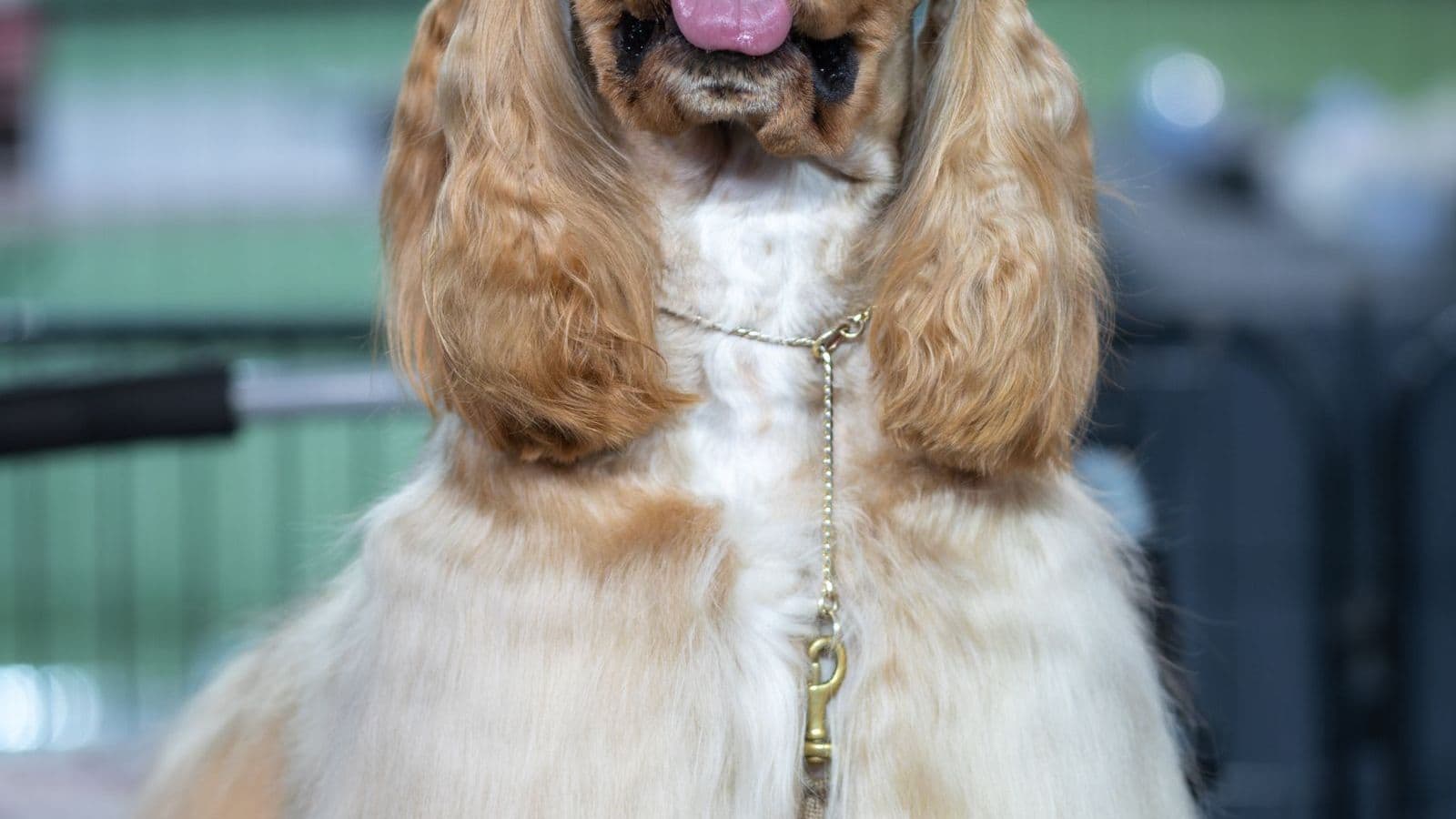
The American Cocker Spaniel is one of the gentlest, most sensitive companions in the sporting world, sweet and eager to please, sometimes to the point of submissive urination. That softness is the whole key to training it, and the place most owners slip. Almost every problem comes from handling a delicate dog too firmly or missing its emotional needs. Here are the five mistakes that cause the most trouble, and what to do instead.
1. Harsh handling
The American Cocker is emotionally soft, and harsh corrections or a raised voice make it shut down, cower, or urinate submissively rather than learn. Owners who bring frustration to a session get an anxious, shut-down dog. Use reward-based, gentle methods only, keep your tone calm and warm, and the breed's eagerness to please does the rest.
2. Mishandling submissive urination
Many Cockers pee a little when excited or intimidated, and the instinctive reaction, scolding, makes it dramatically worse by adding stress. Owners who punish the puddle deepen the problem. Never scold it: keep greetings calm and low-key, ignore the accident, and build the dog's confidence with gentle, positive interactions; it fades as confidence grows.
3. Allowing alert barking
The Cocker can be vocal, and unmanaged early barking becomes a habit of sounding off at sounds and visitors. Owners who indulge the early woofs end up with a noisy dog. Install a "quiet" cue early, manage the triggers, and reward calm, so the alertness stays reasonable.
4. Neglecting coat and ear care
The heavy coat and long, low-set ears need regular grooming and cleaning, and the ears in particular are prone to infection without it. A dog never conditioned to accept handling fights every session. From puppyhood, pair brushing, ear cleaning, and handling with treats in short sessions, so care stays calm and the ears stay healthy.
5. Under-stimulation
The Cocker is a sporting breed underneath the lapdog looks, and an under-exercised, under-stimulated one becomes anxious and prone to nuisance behaviors. Owners who treat it as purely a couch companion miss its needs. Provide daily moderate exercise plus mental work and gentle training, and the breed stays balanced, content, and far less prone to nuisance habits like obsessive barking.
What works with American Cocker Spaniels
Handle gently, manage submissive urination with calm greetings, manage barking early, condition grooming and ear care, and meet the exercise needs. Underlying all of it is gentleness with a deeply sensitive companion: calm low-key greetings prevent submissive urination, reward-based handling builds confidence, early bark management curbs the alertness, and regular ear care prevents infections. Honor the sensitivity, and the American Cocker is a sweet, devoted, joyful family dog.
TailorPup's American Cocker Spaniel plan is reward-based and front-loads confidence-building for a sensitive breed.
Start your American Cocker Spaniel's plan at tailorpup.com →
Related: How to Train an American Cocker Spaniel · Barking Solutions · Puppy Training Basics