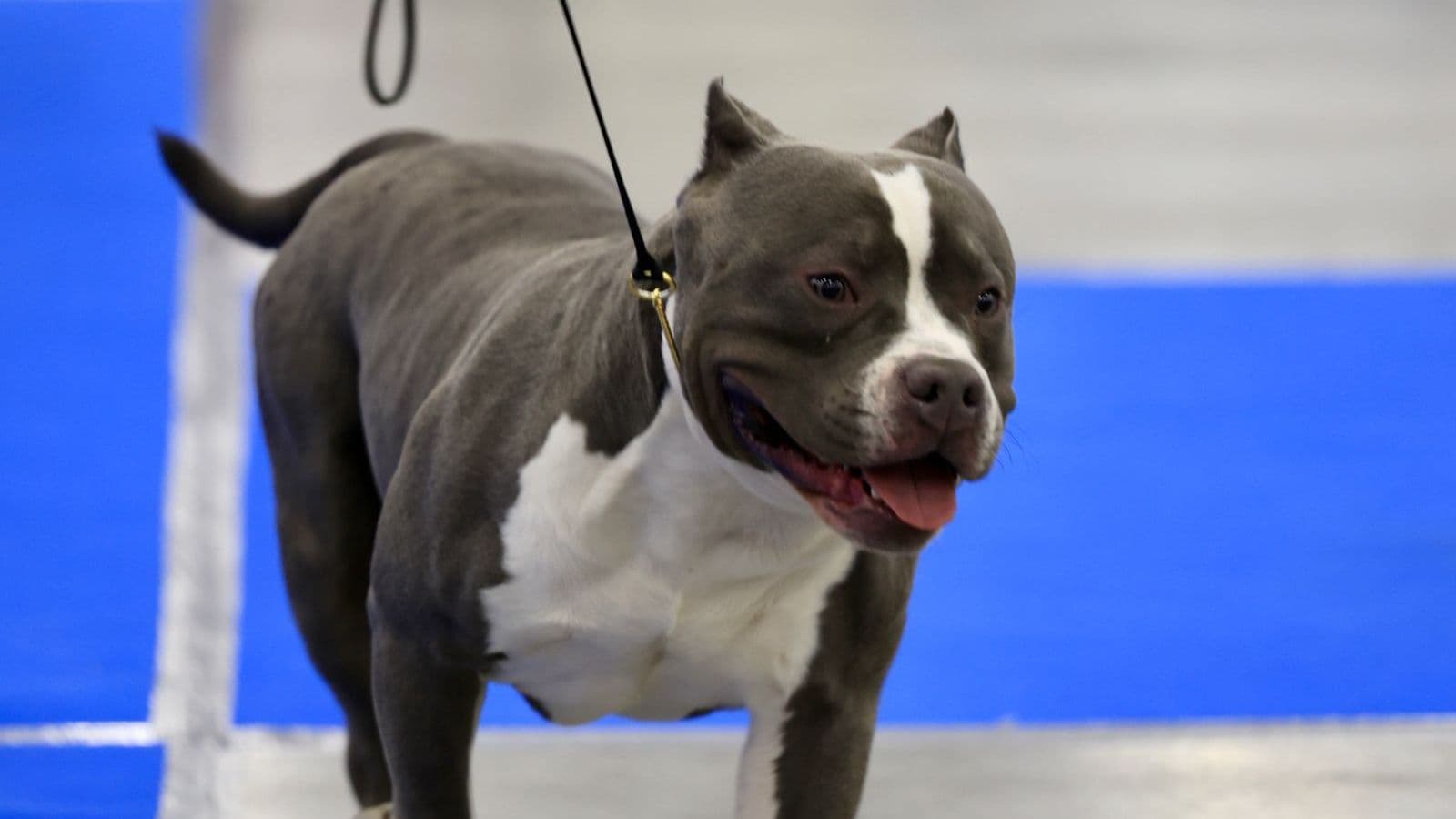
The American Bully is a powerful, muscular, intensely people-oriented companion bred from the American Pit Bull Terrier for a gentle, affectionate temperament. It genuinely wants to be with its people and work alongside them, which makes it highly trainable, but its sheer physical strength means that anything left unmanaged becomes a real handling problem. Almost every Bully issue comes from wasting that excellent temperament rather than from any difficulty in the dog. Here are the five mistakes that cause the most trouble, and what to do instead.
1. Skipping leash training
The American Bully is muscular and strong, and a dog that never learned loose-leash walking can drag its handler down the street as an adult. Owners who delay underestimate the power. Install loose-leash walking early, while the dog is still a manageable puppy, and keep reinforcing it, so walks stay easy and controlled as the dog matures into its full strength.
2. Under-socializing the puppy
A confident, well-socialized Bully is a wonderful companion, but a dog that misses early socialization can become reactive or anxious, which is a real concern in a strong breed. Owners who assume the friendly temperament needs no work are caught out. Socialize broadly and positively from puppyhood, introducing new people, dogs, and places, so the adult stays stable and confident.
3. Mistaking strength for stubbornness
Owners sometimes read the Bully's physical power as willfulness and respond with force, but the breed is people-oriented and genuinely trainable. The strength is not defiance. Channel it into structured activities and reward-based work, make cooperation rewarding, and you will find an eager, willing partner rather than a stubborn one, because this dog wants to please its people.
4. Allowing jumping and door-rushing
At the American Bully's strength, jumping up and pushing through doors become genuine hazards, capable of knocking people over. Owners who allow it in puppyhood cannot easily undo it later. Install four-on-the-floor greetings and door manners from the start, reward calm, and never reinforce jumping, so the powerful adult has polite, safe default behavior.
5. Providing no structured outlet
A strong, energetic dog without an outlet redirects its energy into pushiness, chewing, and restlessness. Owners who provide only companionship leave the dog under-directed. Provide structured exercise and training games, give the Bully a constructive way to use its strength and energy, and the same dog becomes calm and settled rather than boisterous and frustrated.
What works with American Bullies
Install leash manners early, socialize broadly, channel the strength into structured work, enforce polite greetings, and provide real outlets. The common thread is the breed's people-orientation: the Bully genuinely wants to work with you, so structure, exercise, and reward-based training turn an under-directed, pushy dog into a calm, polite companion within weeks. The strength simply means manners and an outlet are non-negotiable, not that the dog is difficult.
TailorPup's American Bully plan emphasizes leash manners, polite greetings, and structured outlets for a powerful, people-loving breed.
Start your American Bully's plan at tailorpup.com →
Related: How to Train an American Bully · Leash Pulling · Puppy Training Basics