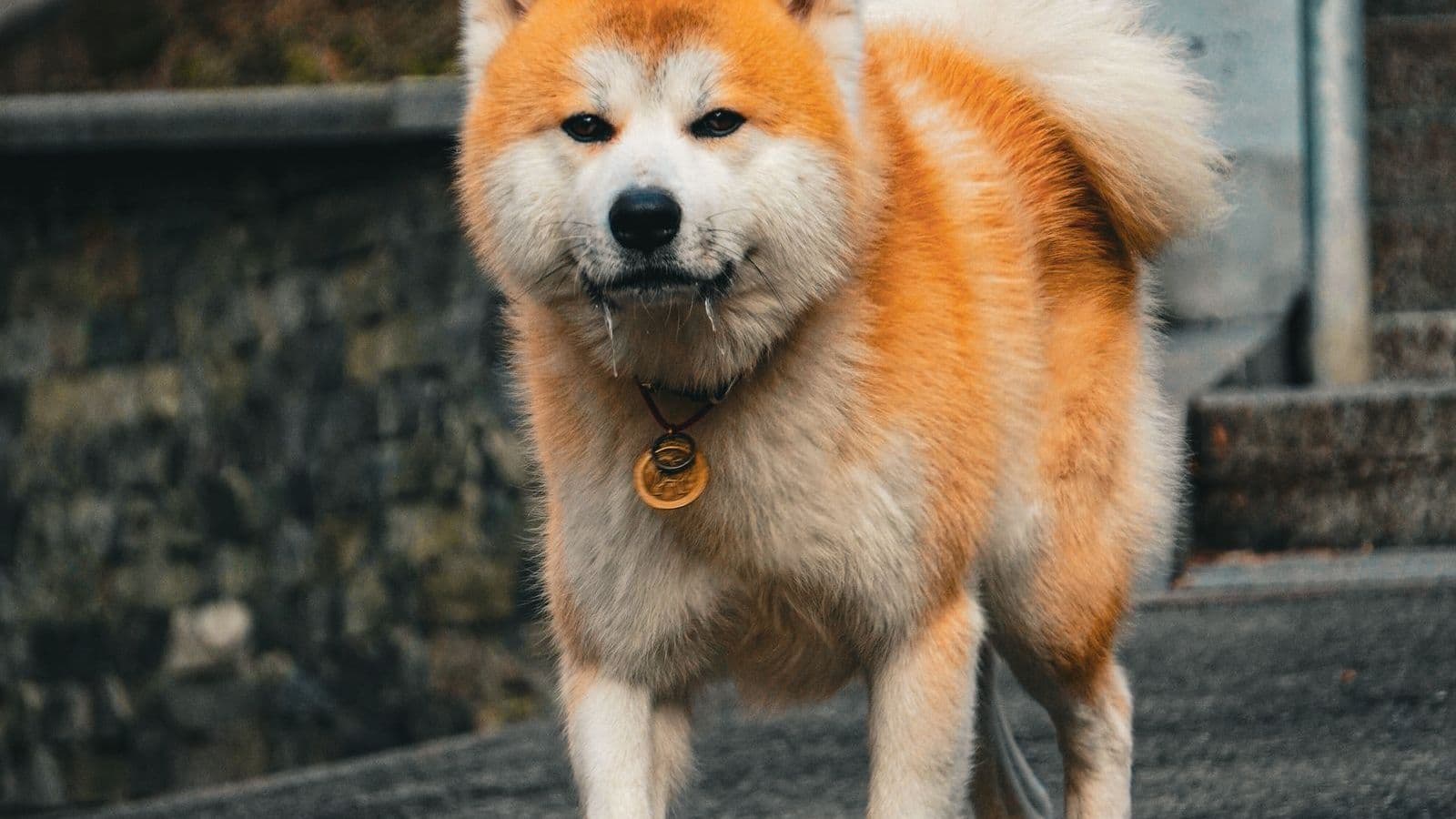
The Akita Inu is a powerful, dignified, profoundly loyal Japanese guardian, calm and composed with its family but independent and notably dog-aggressive, especially toward same-sex dogs. With a guardian this strong and self-possessed, the cost of a training mistake is real. Most problems come from misreading the breed's dignity and dog-selectivity. Here are the five mistakes that cause the most trouble, and what to do instead.
1. Taking it to off-leash dog parks
The Akita's same-sex and general dog-aggression is real, and off-leash dog parks are genuinely inappropriate for most of the breed. Owners who assume early puppy tolerance will last are caught out at maturity, often after an incident. Avoid dog parks entirely, socialize and exercise in controlled settings, and manage all dog interactions carefully for life.
2. Harsh handling
The dignified Akita resents and resists harshness, responding with stubbornness, resentment, or defensiveness rather than compliance, which is serious in a dog this powerful. Owners who try to dominate it get the opposite of cooperation. Respectful, calm, reward-based training builds genuine cooperation; the Akita works with a leader it respects, not one it fears.
3. Skipping the socialization window
The Akita's natural reserve and dog-selectivity need early, thorough shaping, and the puppy window is critical, primitive guardians do not socialize easily later. Owners who delay create a wary, reactive adult. Front-load broad, positive socialization during puppyhood, and maintain it, so the reserve stays appropriate.
4. Relying on recall near prey or other dogs
The Akita's prey drive and independence override a half-built recall, and the breed will not reliably come off a squirrel or a tense dog encounter. Owners who trust open ground are caught out. Use securely fenced areas for off-leash freedom, build recall on a long line, and never assume the dog will choose you over an instinct.
5. Treating it like an eager working breed
The Akita is independent and self-possessed, not an eager-to-please retriever, and it cooperates through a respectful relationship rather than reflexive deference. Owners expecting prompt obedience read the independence as defiance and apply pressure, which backfires. Build cooperation through respect and value, and the Akita's loyalty and composure follow.
6. Skipping early socialization
Akita Inu are dignified and often reserved with strangers, and they can be selective with other dogs. If a puppy misses the window for friendly, low-pressure exposure, reserve can harden into wariness. Take the puppy to quiet, varied places, let it observe people and calm dogs at a distance it is comfortable with, and reward relaxed behavior. The aim is a neutral, confident adult, not a dog forced into greetings. Keep it positive, brief and never push it past what it can handle.
7. Using harsh methods
An Akita Inu is proud and independent, and rough handling or shouting usually makes it stubborn or defensive instead of obedient. The dog learns to avoid you rather than to cooperate. Choose calm, clear, reward-based training: short sessions, food or toy rewards, and consistent cues. If the dog refuses, make the task easier and try again. Cooperation comes from trust, so protect that trust and the dog will work with you.
8. Letting dog meetings go unmanaged
Many Akita Inu do not enjoy rough dog-park play and may not tolerate pushy dogs. An unmanaged greeting can end in a scuffle that sets back months of progress. Choose calm, one-to-one introductions with dogs you know, keep the dog on a lead in public, and learn to read signals such as stiffness, hard staring or raised hackles. Walk away early if the other dog is overwhelming.
9. Skipping handling and calm-settle practice
A large, strong, independent dog needs to accept being touched, restrained gently and examined, whether at the vet or the groomer. Practice handling paws, ears, mouth and body from puppyhood, reward calm, and teach a long settle on a mat. A dog that relaxes on cue is easier to manage in every situation.
A realistic weekly routine
An Akita Inu week includes daily walks, two or three short training sessions with food rewards, structured social exposure and a few quiet periods for settling. Keep routines predictable, handle the coat gently and reward relaxed behavior around visitors.
What works with Akita Inus
Avoid dog parks and manage dog interactions, train respectfully with rewards, socialize during the critical window, never rely on recall near prey or dogs, and respect the breed's dignity. What ties these together is respect for a dignified, independent guardian: avoiding dog parks, early size-management, thorough socialization, and calm reward-based handling are the foundation, because the Akita resents harshness and is dog-selective. Build cooperation through respect, and its profound loyalty and composure shine.
TailorPup's Akita Inu plan accounts for dog-selectivity, independence, and the breed's dignified temperament.
Start your Akita Inu's plan at tailorpup.com →
Related: How to Train an Akita Inu · Leash Pulling · Recall Training · Puppy Training Basics