Breed comparison
Whippet
vs Greyhound.
Both are sighthounds built for explosive speed but, surprisingly to newcomers, both are famously calm, couch-loving companions once the sprint is over. The Whippet is essentially a smaller, more modestly built version of the same idea as the Greyhound, both were bred to chase by sight, not to work all day.
The core practical difference is simply size and living space: the Whippet fits more easily into smaller homes, while the Greyhound larger frame needs a bit more room to stretch out, quite literally, on the sofa.
Quick answer
Both are surprisingly calm, quiet companions once their sprinting needs are met, so the choice mostly comes down to size and living space. Choose the Whippet for an easier fit in a smaller home; choose the Greyhound, often as a wonderful, low-key rescue from racing, if you have a bit more room. Either way, plan for secure fencing, a cold-weather coat, and short sessions of genuine speed.
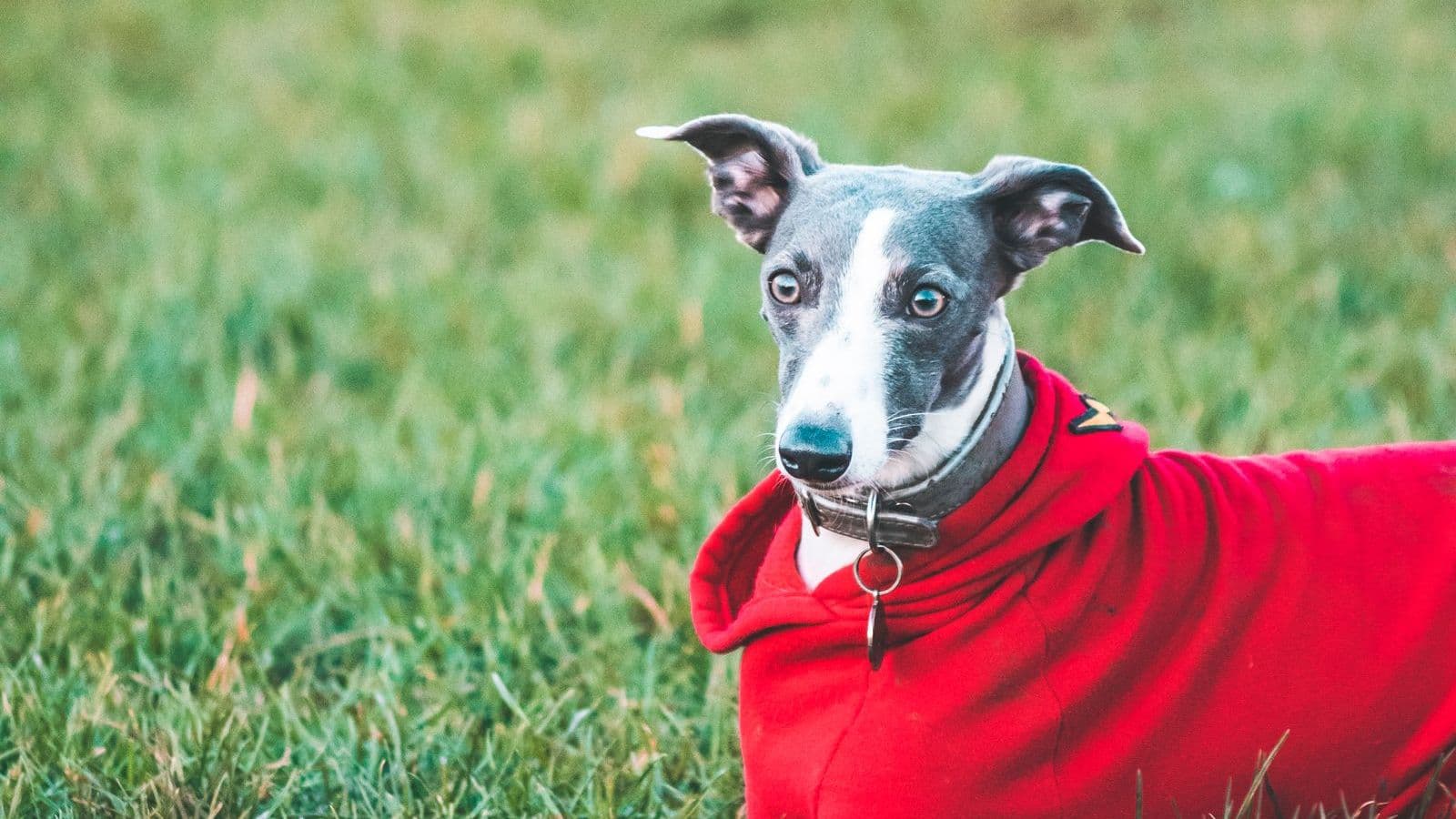
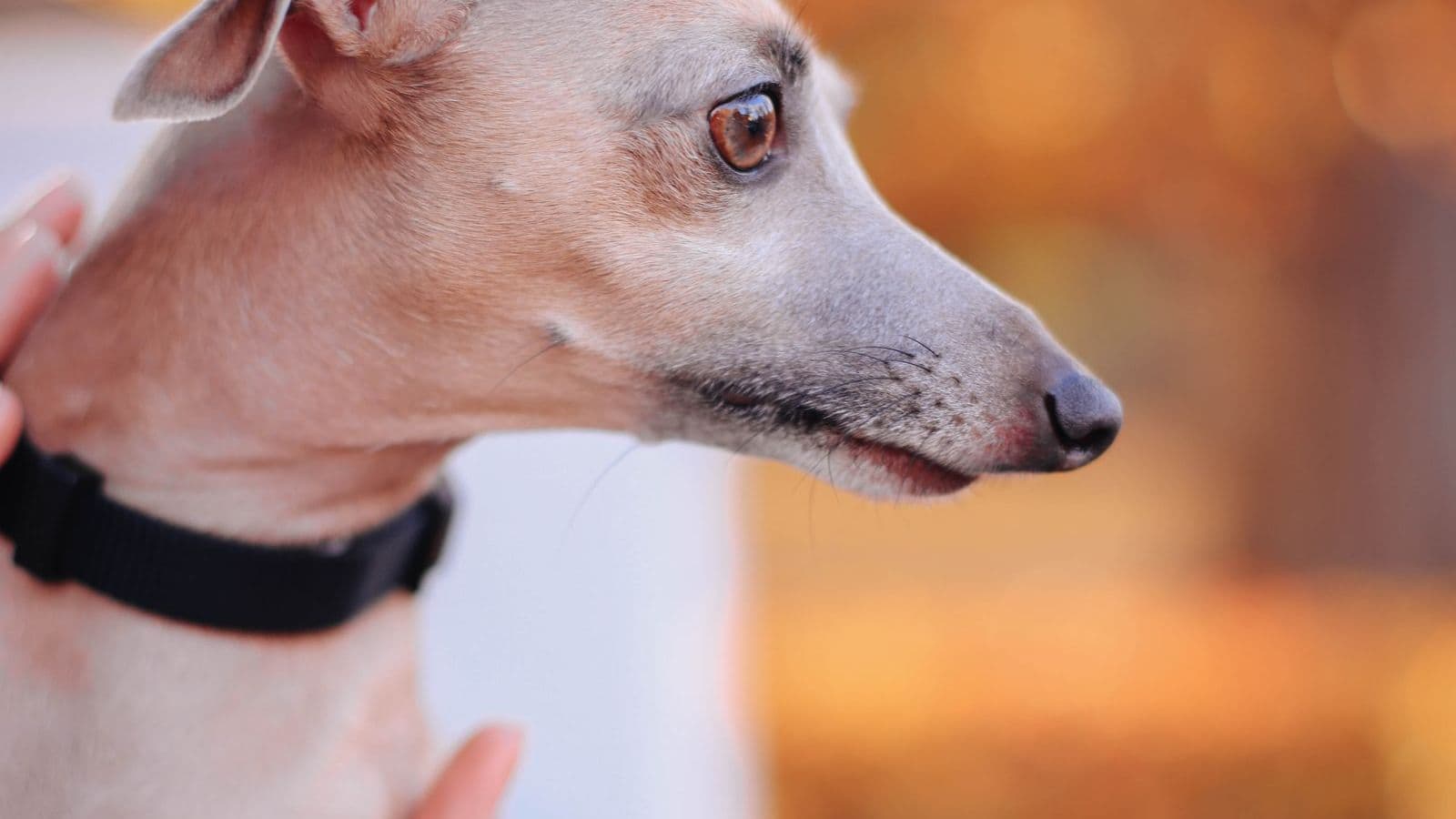
Whippet
- Trainability
- 6/10
- Energy
- High
- Training difficulty
- 67/100
- Group
- Hound
Greyhound
- Trainability
- 6/10
- Energy
- Medium
- Training difficulty
- 57/100
- Group
- Hound
Scores from the TailorPup Dog Training Difficulty Index.
Key differences
Size
The Greyhound is considerably larger and taller, a true large-breed sighthound. The Whippet is medium-sized, essentially a scaled-down version of the same build, which makes it easier to manage in an apartment or smaller home.
Energy
The Whippet runs high energy in short, explosive bursts, it needs a real chance to sprint but is otherwise a committed couch companion. The Greyhound is medium energy and, especially as a retired racer, often even more famously lazy at home, needing a good sprint but little else.
Trainability
Both score 6/10, sighthounds bred to chase by sight rather than take direction, which makes recall unreliable around fast-moving prey or small animals regardless of training. Food-based rewards and secure, fenced spaces matter more than obedience drilling for either.
Coat and cold tolerance
Both have very short, thin coats and minimal body fat, making them notably cold-sensitive and frequent candidates for a coat or sweater in cool weather. Grooming needs are minimal for both, an occasional wipe-down is usually enough.
Which is easier to train?
Both breeds score identically at 6/10, capable but built to chase on sight rather than defer to a handler mid-pursuit, so reliable off-leash recall is unrealistic for either around loose animals or fast movement. Short, positive, food-motivated sessions work well for basic manners with both, and secure fencing matters more than training intensity. Once past puppyhood, both are famously easy to live with day to day, calm, quiet, and content to sleep for most of the day between sprints.
Which one is right for you?
Choose the Whippet
Owners in smaller homes or apartments who want a gentle, quiet sighthound with a lower size footprint and the same need for a secure space to run.
Whippet training guide →Whippet training mistakes →Choose the Greyhound
Owners with a bit more space, including many who adopt retired racers, who want an even calmer, couch-loving giant sprinter and can provide a coat in cold weather.
Greyhound training guide →Greyhound training mistakes →The verdict
Both are surprisingly calm, quiet companions once their sprinting needs are met, so the choice mostly comes down to size and living space. Choose the Whippet for an easier fit in a smaller home; choose the Greyhound, often as a wonderful, low-key rescue from racing, if you have a bit more room. Either way, plan for secure fencing, a cold-weather coat, and short sessions of genuine speed.
Frequently asked questions
Are Whippets and Greyhounds the same breed?
No, they are separate breeds, though closely related in type. The Greyhound is considerably larger, while the Whippet is essentially a smaller-scale version of the same sighthound build, both bred for sprinting speed rather than endurance work.
Which is calmer at home?
Both are famously calm and couch-loving once their exercise needs are met, and Greyhounds, especially retired racers, are often cited as some of the laziest large breeds indoors. Neither is a high-activity household dog outside of short sprints.
Which is easier to train?
Both score identically at 6/10. Both are sighthounds bred to chase by sight, which makes off-leash recall unreliable for either around fast-moving animals, regardless of training effort.
Whichever you pick, train it right
TailorPup builds a personalized 12-week program around your dog's exact breed, age, and behavior, no generic one-size plan.
Build my dog's programAlready chose? Start a Whippet plan · Start a Greyhound plan
More: all breed comparisons · training difficulty index · all 240 breed guides