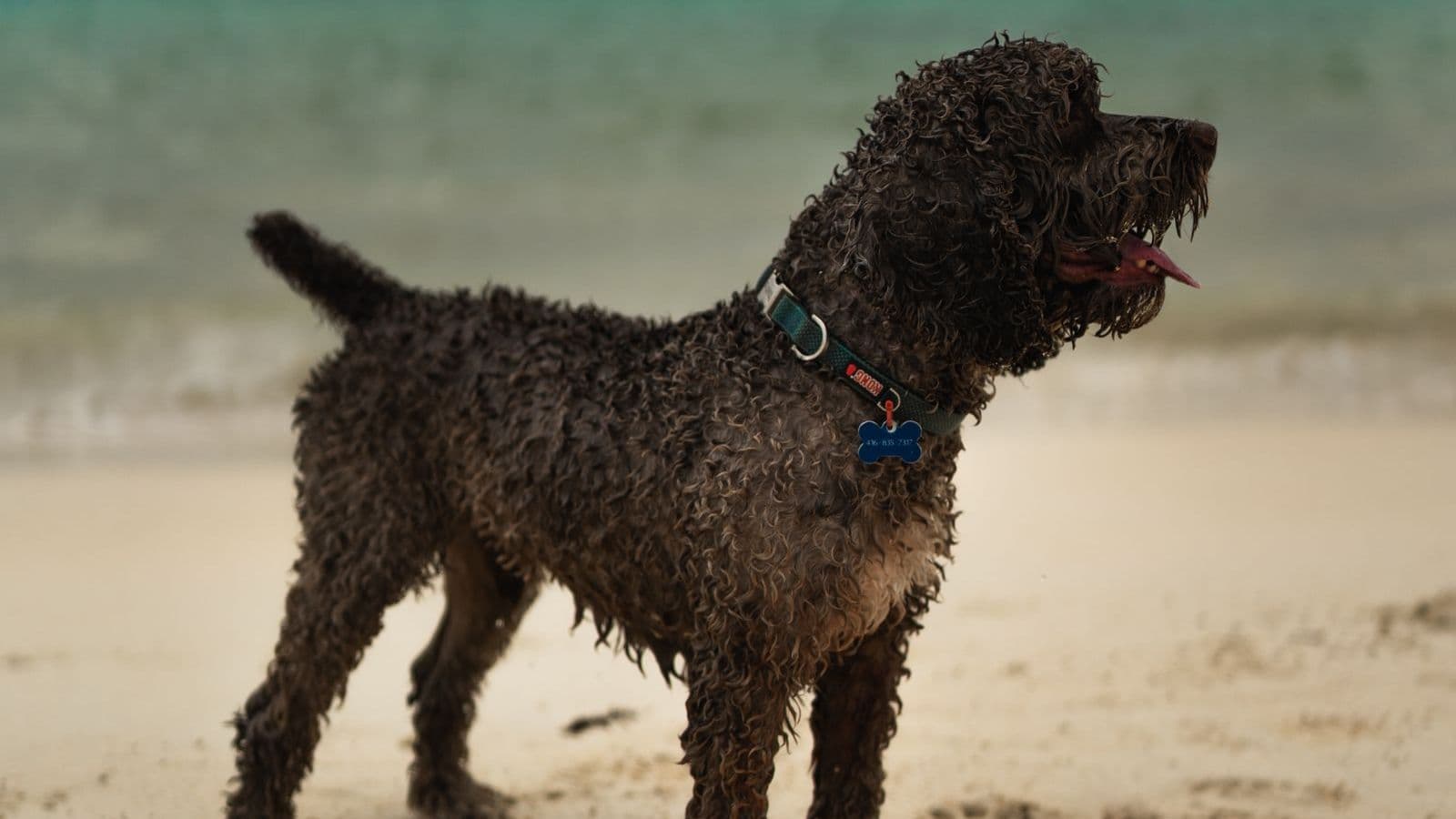
The Lagotto Romagnolo is an ancient Italian water dog from the Romagna region, originally bred to retrieve waterfowl from the marshes and later, as those wetlands were drained, repurposed into the world's premier truffle-hunting dog. That history left the breed with two defining gifts: an exceptional nose and a sharp, working intelligence. Curly-coated and teddy-bear cute, the Lagotto is in fact a serious working breed, busy, clever, and driven by its nose, that happens to make a wonderful companion for an active, engaged owner.
That nose-and-brains combination is the key to training one. The Lagotto is highly intelligent and trainable, eager to work, and quick to learn, which makes reward-based training a genuine pleasure. But it needs a great deal of mental stimulation, it is strongly scent-driven, and it loves to dig, a legacy of unearthing truffles. It can also be sensitive and somewhat attached. Give it real nose work and mental challenges, channel the digging, and keep training positive, and you get a brilliant, biddable, delightful dog. Bore it, and that clever nose finds its own projects in your garden and your house.
This guide covers what works with a Lagotto, week by week, built around how a clever, nose-driven working breed actually learns.
At a glance:
- Trainability: 8/10, highly intelligent, learns quickly and loves to work
- Biggest risk factor: under-stimulation, a bored Lagotto invents its own scent-driven projects
- Signature habit: loves to dig, a legacy of unearthing truffles
- Example: a Lagotto without nose-work outlets can excavate a flowerbed in a single afternoon
- Not for: owners without time for daily mental work and scent games
What Makes Training a Lagotto Different
Four breed traits shape your approach.
1. Highly intelligent and trainable. The Lagotto learns quickly and loves to work, so reward-based training is fast and enjoyable, and the breed excels at nose work, obedience, and tricks. The catch is that this clever dog needs a real outlet for its brain or it invents one.
2. Nose-driven. Bred to hunt truffles and retrieve from water, the Lagotto experiences the world through scent. Its nose can pull its attention away on walks, and scent-based games are the single best way to satisfy and motivate it. Recall must be built with that scent focus in mind.
3. A real love of digging. Truffle hunting is digging with purpose, and the instinct carries into pet life. Without a sanctioned outlet, the Lagotto will excavate the garden. Give it a designated digging spot and scent games to dig for, and the rest of the yard survives.
4. Sensitive and somewhat attached. The breed bonds closely and is sensitive to harsh handling, so it responds best to upbeat, reward-based training, and benefits from early independence work to prevent over-attachment.
Week-by-Week Training Plan for Your Lagotto
Below is the framework we use at TailorPup for a Lagotto-specific 12-week plan. Run it at home; the order and emphasis are the point.
Weeks 1 and 2 : Foundation and Socialization
Engagement is easy with this eager breed, so use the head start. Run three to four five-minute sessions a day with high-value rewards, socialize broadly, and begin gentle independence training. Introduce simple "find it" nose games immediately, since scent work is the breed's natural language. Our puppy basics guide covers the foundations.
Weeks 3 and 4 : Core Commands and Tricks
Lagotti learn fast. Lure sit, down, and stay, mark, and reward, adding cues once reliable, then add tricks and name games. This clever breed thrives on mental challenge, so the more it has to think, the better behaved it is.
Weeks 5 and 6 : Leash Work and the Nose
Use stop-and-stand for pulling and a harness. Because the nose pulls the Lagotto's focus, reward checking in and allow scheduled sniffing breaks as rewards, so the nose works with you rather than against you on walks.
Weeks 7 and 8 : Recall and Digging Outlet
Build recall on a long line, paying every success generously, and proof it around scent distractions, which are the Lagotto's biggest challenge. In parallel, set up a designated digging spot and reward digging there, redirecting the instinct away from your garden.
Weeks 9 and 10 : Channeling Energy with Nose Work
Lean hard into scent work: hide-and-find games, scent trails, scatter feeding, and even introductory truffle or mushroom searching genuinely fulfill the breed. A Lagotto that gets to use its nose daily is a calm, satisfied, well-behaved dog. Add physical exercise and water play, which the breed loves.
Weeks 11 and 12 : Generalization
Prove the skills in the real world: loose-leash walking past distractions, recall around scent temptation, and settled behavior at home. A Lagotto that listens indoors but follows its nose outside is only partly trained, and these last two weeks consolidate the scent-proofed recall and manners.
Common Lagotto Training Mistakes
Three mistakes show up repeatedly with this breed.
Mistake 1 : Under-stimulating a working brain. Boredom is the enemy with this clever, nose-driven dog. A Lagotto without mental work and nose games becomes restless and destructive, digging and inventing its own jobs. Daily enrichment is essential, not optional.
Mistake 2 : Providing no digging outlet. Suppressing the digging instinct without an alternative just frustrates the dog and ruins the garden. Give digging a sanctioned spot, ideally with scent games to dig for, and the rest of the yard is far safer.
Mistake 3 : Ignoring the scent focus in recall. A recall that works in the kitchen can fail completely when the nose engages. Build and proof recall specifically around scent distractions. The full list is in our Lagotto Romagnolo training mistakes guide.
Frequently Asked Questions
Are Lagotto Romagnolo easy to train ? Yes, very, for an engaged owner. They are intelligent, eager, and biddable, so reward-based training is fast and enjoyable, and they excel at nose work. The challenge is meeting their need for mental stimulation, not the learning itself.
How much exercise does a Lagotto need ? Around 60 minutes of activity daily plus substantial mental work, especially nose games. Physical exercise alone never satisfies this clever scent breed; enrichment is just as important as walks.
Why does my Lagotto dig so much ? Because it was bred to dig for truffles, so digging is a purposeful instinct. Give it a designated digging spot with scent games to find, and pair it with daily nose work, and the digging stops landing on your flowerbeds.
Can I let my Lagotto off-leash ? In a securely fenced area, yes. In open spaces, build and proof recall carefully around scent first, since the nose can override an unproofed recall. Use a long line until recall is reliable around distractions.
Do Lagotto Romagnolo make good truffle dogs ? They are the premier truffle-hunting breed, and even as pets they love and excel at scent work. Channeling that instinct into find games or actual truffle or mushroom training is one of the best ways to fulfill the breed.
Is positive reinforcement effective for Lagotti ? Yes, ideally. The intelligent, sensitive breed thrives on reward-based training and nose work, while harsh handling is unnecessary and counterproductive.
Are Lagotto Romagnolo hypoallergenic ? The dense, curly, wool-like coat sheds very little and is often tolerated by allergy sufferers, though no dog is truly hypoallergenic. The coat needs regular grooming and trimming to prevent matting.
Why TailorPup Was Built for the Lagotto Romagnolo
A generic plan ignores what defines this breed: the exceptional nose, the working intelligence, the digging, and the need for real mental work. That mismatch is why standard advice leaves a Lagotto bored and busy in all the wrong ways.
TailorPup builds a 12-week plan around your specific dog: its working nature, its age, and the behaviors you are seeing. For a Lagotto that means heavy emphasis on nose work and mental enrichment, a digging outlet, scent-proofed recall, gentle independence training, and reward-based methods that match its brains.
Daily 12-minute sessions plus weekly adjustments based on your dog's progress. Plans from $9.99/month, no trial; annual starts at $2 for 7 days. Cancel anytime.
Related: Lagotto Romagnolo Training Mistakes · Recall Training · Leash Pulling · Puppy Training Basics