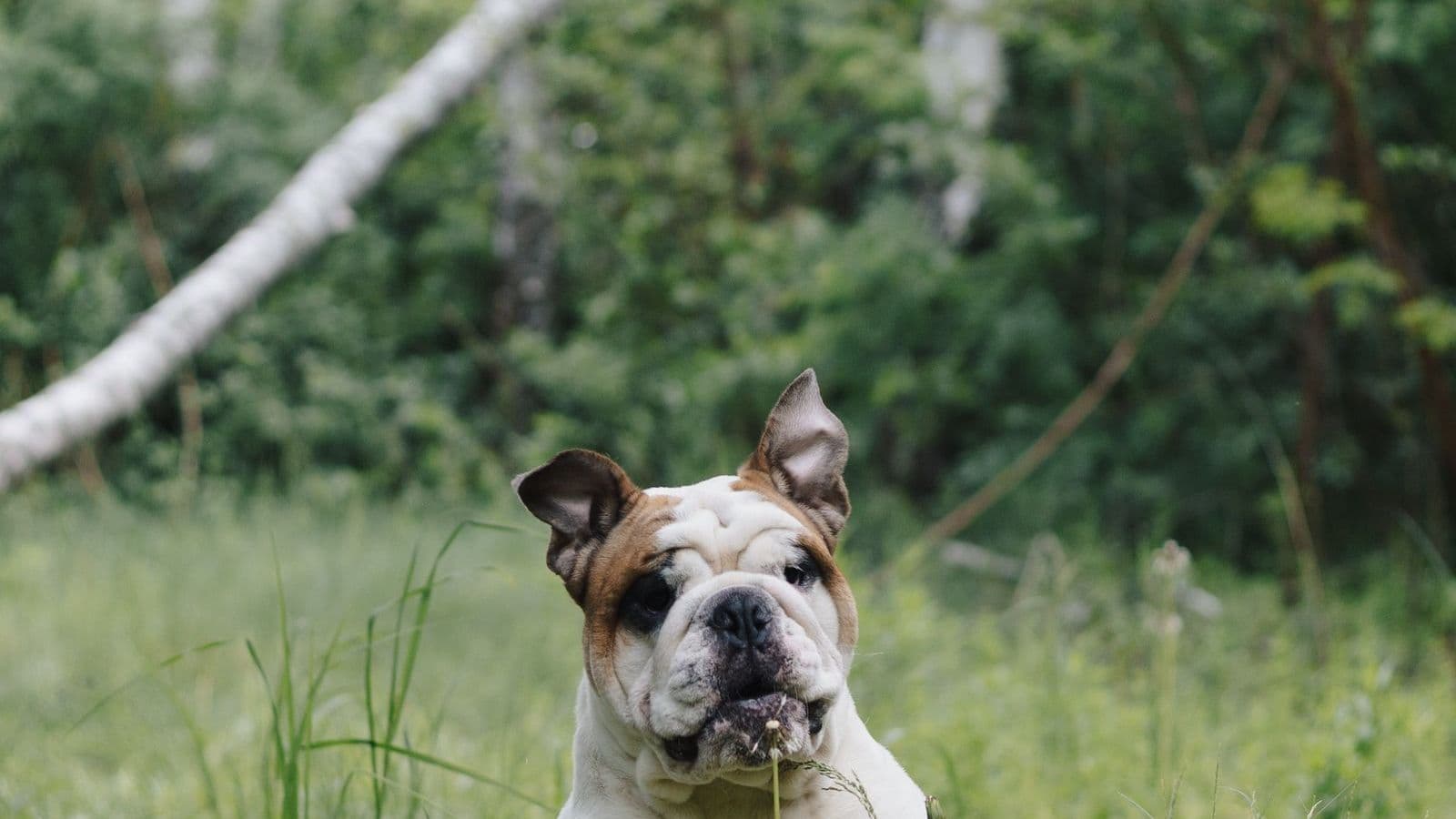
The English Bulldog is one of the most recognizable dogs in the world, broad, low-slung, wrinkled, and unmistakably dignified. Descended from the bull-baiting dogs of medieval England, the breed was completely rebuilt after that cruel sport was banned, with breeders selecting away the aggression and toward the gentle, affectionate, stubbornly placid companion known today. The modern Bulldog is calm, courageous, devoted to its family, and possessed of a will that has become legendary among trainers.
That will is the central fact of training a Bulldog, and it is widely misunderstood. The breed is not unintelligent and it is not defiant; it is deliberate, and it does not see the point in repetition for its own sake. A Bulldog that "ignores" a command is usually a Bulldog that has decided the reward is not worth the effort, or that has simply lost interest in a session that ran too long. Add to this the breed's real physical limits, a flat face that overheats fast and a heavy body that should not be over-exercised, and the training approach writes itself: short, motivating, food-driven sessions that respect both the dog's mind and its body.
There is a persistent myth that English Bulldogs are too dim or too lazy to train, and it does the breed a real disservice. The Bulldog is neither stupid nor idle, it is selective and economical, a dog that conserves effort and asks, in effect, what's in it for me before committing to a behavior. That is a reasonable question, and once you answer it consistently with something the dog values, the Bulldog cooperates readily. The breed's reputation for stubbornness comes almost entirely from owners who run long, repetitive, reward-thin sessions that bore the dog into checking out, then conclude the dog can't learn.
In reality a Bulldog will happily learn sit, down, settle, a recall, and polite greetings, it simply wants the lessons short, the rewards good, and the whole thing to respect its dignity. Pair that with attentive management of the breed's real physical vulnerabilities, heat above all, and you have a calm, affectionate, genuinely trainable companion that thrives on the brief, pleasant sessions this plan is built around.
At a glance:
- Trainability: 6/10, willing but selective, a Bulldog cooperates readily once the reward is worth the effort
- Biggest risk factor: heat-stroke, the brachycephalic build overheats fast and cannot sustain vigorous exercise
- Body-handling needs: wrinkles, face folds, and skin need regular cleaning, so conditioning the dog to calm handling from puppyhood matters
- Example: A Bulldog that "ignores" sit has usually decided the treat isn't worth it, not that it's being stubborn.
- Not for: owners wanting long drilling sessions or brisk exercise in warm weather
What Makes Training an English Bulldog Different
1. Stubbornness is really low repetition tolerance. The Bulldog learns perfectly well, but it tires of drilling and tunes out a session that overstays its welcome. Keep sessions to a few minutes, make the reward genuinely worth it, and end while the dog is still engaged. Fight the dog's patience and you lose; work with it and the Bulldog cooperates happily.
2. The brachycephalic build sets hard physical limits. The flat face means the Bulldog overheats quickly and cannot sustain vigorous exercise. Heat is a genuine emergency risk, and training sessions or walks in warm conditions must be short, cool, and watched closely for labored breathing.
3. Food is the lever. Bulldogs are strongly food-motivated, which makes high-value treats the most reliable training tool. The flip side is a tendency to gain weight, so rewards come from the daily food allowance and stay small. A lean Bulldog is a healthier, more comfortable, more trainable dog.
4. Body-handling matters more than in most breeds. The wrinkles, face folds, and skin need regular cleaning, and the breed's health needs frequent veterinary handling. Conditioning the dog to accept handling calmly from puppyhood makes a lifetime of care far easier.
Week-by-Week Training Plan for Your English Bulldog
Weeks 1 and 2 : Foundation and Body-Handling
Start short, upbeat sessions and begin conditioning the dog to handling from day one. Our puppy basics guide covers the mechanics.
- Keep sessions to three to five minutes, paired with high-value food.
- Begin gentle handling of face folds, feet, ears, and mouth, rewarding calm.
- Socialize positively with people, dogs, surfaces, and sounds.
- Set household rules now and keep them consistent.
Weeks 3 and 4 : Core Commands, Short and Motivating
Sit, down, and stay are taught in brief, rewarding bursts.
- Lure sit and down, then fade to a hand signal.
- Build stay from a few seconds, rewarding stillness.
- End every session on a win, before the dog disengages.
Weeks 5 and 6 : Loose Leash and Heat Awareness
Even a calm Bulldog needs leash manners, trained in cool conditions.
- Fit a harness rather than a flat collar on this short neck.
- Use stop-and-stand and reward every slack-leash step.
- Walk in the cool parts of the day and stop at any loud, labored breathing.
Weeks 7 and 8 : Settle and Polite Greetings
Channel the Bulldog's calm into a reliable settle and good manners.
- Teach a "place" or mat settle, building duration gradually.
- Reward four-on-the-floor greetings rather than jumping.
- Practice calm behavior when visitors arrive.
Weeks 9 and 10 : Recall and Enrichment
Build a willing recall and add light mental work.
- Train recall on a long line with high-value rewards; keep it fun.
- Add simple food puzzles and scent games for low-impact enrichment.
- Reinforce name response and check-ins on walks.
Weeks 11 and 12 : Proofing and Maintenance
Lock in the basics and the lifelong care habits.
- Proof loose-leash walking and settle in mildly distracting settings.
- Confirm body-handling is calm and routine.
- Keep sessions short and the dog lean as it matures.
Common English Bulldog Training Mistakes
Mistake 1 : Exercising in heat. The brachycephalic build means heat-stroke risk is real. Walk and train in the cool parts of the day only, and stop at any labored breathing.
Mistake 2 : Long, repetitive drills. The Bulldog disengages from repetition. Keep sessions short, food-rewarded, and varied.
Mistake 3 : Mistaking deliberation for defiance. The Bulldog is not disobedient, it is deliberate. Patient, positive shaping works; pressure does not.
Mistake 4 : Neglecting body-handling. Face folds, skin, and frequent vet care demand calm handling. Full breakdown : English Bulldog training mistakes.
Frequently Asked Questions
Are English Bulldogs hard to train ? Moderately, but mostly because of motivation and stamina, not intelligence. With short, food-driven, well-timed sessions, Bulldogs learn reliably. The trick is respecting their low tolerance for repetition.
How much exercise does an English Bulldog need ? Twenty to thirty minutes of gentle activity daily, split into short walks in cool conditions. Over-exercise and heat are both genuine risks for this brachycephalic, heavy-bodied breed.
Are English Bulldogs good family dogs ? Excellent. They are calm, affectionate, patient, and tolerant, which makes them well suited to families, including those with children. They are happy to be couch companions between short bursts of activity.
Why does my Bulldog ignore commands ? Usually the reward is not worth the effort, or the session ran too long. Use higher-value treats, keep sessions to a few minutes, and end while the dog is still engaged.
Are English Bulldogs good apartment dogs ? Yes. Their low energy and calm temperament suit apartment living well, provided you manage heat and provide short daily walks and light enrichment.
Do English Bulldogs have health problems ? Yes, the breed is prone to breathing difficulties, skin and eye issues, joint problems, and heat sensitivity. Buying from health-focused breeders and keeping the dog lean significantly improves quality of life.
How long do English Bulldogs live ? Typically eight to ten years. Careful weight management, heat awareness, and attentive veterinary care help the breed live as comfortably as possible.
Why TailorPup Was Built for English Bulldogs
A generic plan prescribes long sessions and brisk exercise that a Bulldog can neither tolerate nor safely perform, and it mistakes the breed's deliberation for stubbornness. TailorPup's English Bulldog plan uses short, food-driven sessions, builds in body-handling and heat awareness, and respects the breed's deliberate pace so training actually sticks.
Daily 12-minute training sessions plus weekly adjustments. Plans from $9.99/month, no trial; annual starts at $2 for 7 days. Cancel anytime.
Related: English Bulldog Training Mistakes · Leash Pulling · Puppy Training Basics