Training a High Prey Drive Dog
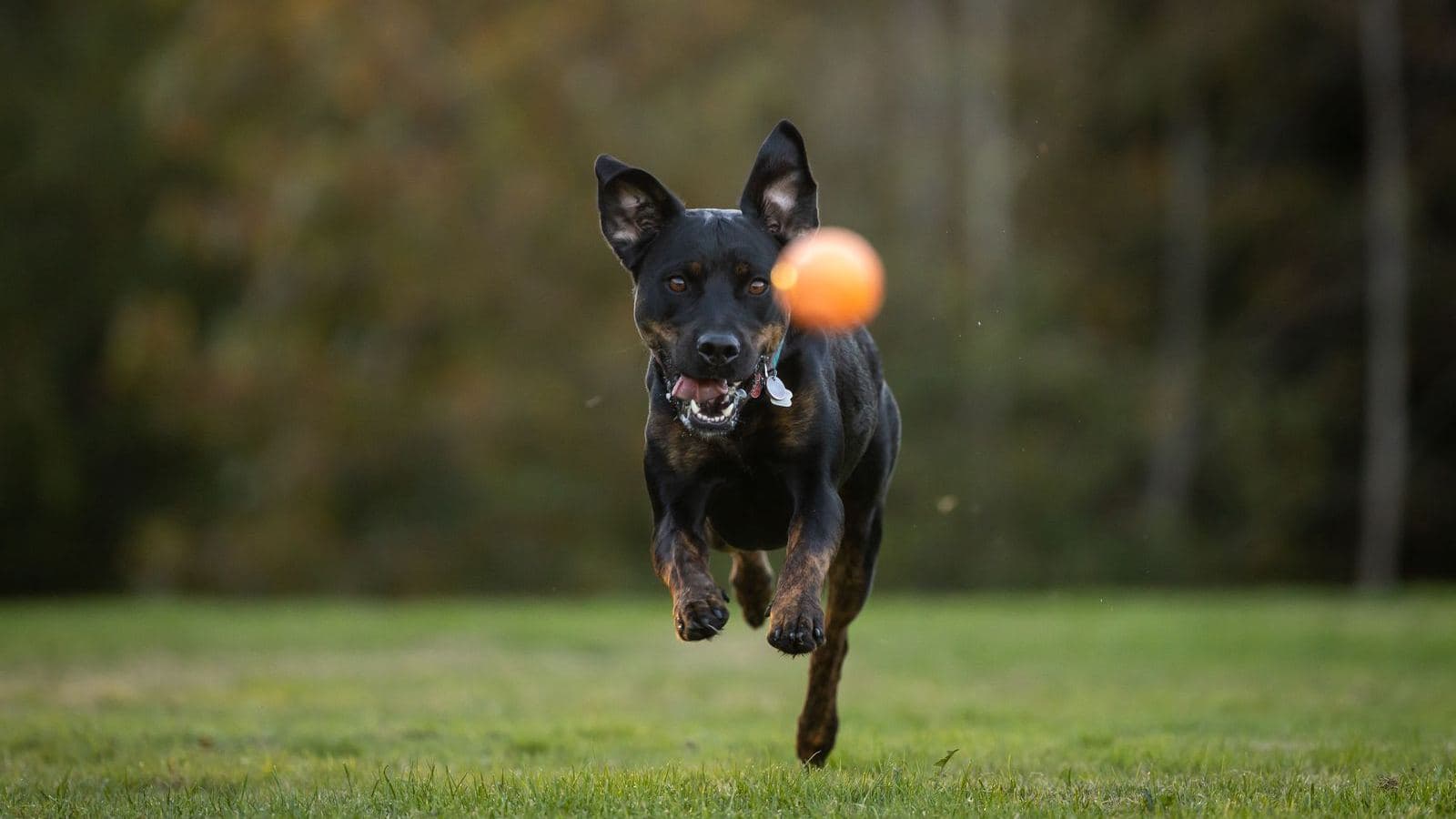
A dog with high prey drive, the instinct to chase, and sometimes grab, fast-moving small animals, isn't being disobedient when it locks onto a squirrel or ignores a recall mid-chase. It's a deeply wired instinct, and the realistic goal is management plus redirection, not eliminating the drive itself.
Written by the TailorPup team, updated October 2026. See our editorial approach.
In this article · 10 sections+
01
Understand what prey drive actually is
Prey drive is a sequence of instinctive behaviors, orient, stalk, chase, grab, that many breeds retain in some form from their working history, including sighthounds, terriers, and many herding breeds. It isn't aggression, and it isn't something a dog can simply be told to stop feeling, though the behaviors around it can absolutely be shaped.
02
Management comes first, always
A long line in open areas, a secure fence, and controlled introductions to small animals in the household are non-negotiable for a high-prey-drive dog until recall and impulse control are extremely solid, and even then, some situations always call for a leash. No amount of training makes off-leash freedom near fast-moving wildlife or unfamiliar small animals a zero-risk decision for these dogs.
03
Build a rock-solid 'look at me' before working on triggers
A reliable, well-rewarded 'look at me' or name-response cue, practiced first with zero distractions and gradually built up, gives a dog a trained alternative behavior to offer instead of locking onto a trigger. This has to be fluent before it's ever tested near an actual moving squirrel or rabbit.
04
Use the trigger itself as the reward
Rather than only using food to compete with the excitement of a chase, some programs use controlled access to the very thing the dog wants (a flirt pole, a tug toy, permission to sniff a spot where a squirrel just was) as the reward for checking in with the owner first. This channels prey drive into an appropriate outlet instead of only trying to suppress it.
05
Give the drive a legitimate outlet
Flirt poles, structured tug games, and scent work all let a dog exercise chase-and-grab instincts in a safe, controlled context. Dogs with unmet prey drive often find their own outlet, chasing joggers, cyclists, or the family cat, so building in a sanctioned version of the same instinct reduces the pressure to find an unsanctioned one.
06
Skip e-collars and shock-based corrections
Suppressing a chase response with a shock can create a dog that's afraid to move in certain situations, or one that develops a fear association with whatever happened to be nearby at the moment of the correction, including the owner. Reward-based redirection paired with solid management gets more reliable, longer-lasting results without those risks, and it's the only approach TailorPup's programs are built around.
07
Set realistic expectations
Some dogs will always need a long line around open water with waterfowl, or a secure yard rather than an off-leash park near wildlife. That's not a training failure, it's an honest read of the dog's instincts, and building a life around good management is a completely legitimate long-term plan.
08
A twelve-week outline
Adjust the pace to your dog and repeat any stage that feels hard.
- Weeks 1 to 2: build a strong "look at me" and mat settle at home.
- Weeks 3 to 4: practice on a long line in quiet places.
- Weeks 5 to 8: add mild triggers at a distance, rewarding calm and check-ins.
- Weeks 9 to 12: reduce the distance slowly and use play with a toy as a reward.
09
Safe outlets for the drive
A dog with strong prey drive needs somewhere to put it.
- Flirt pole or tug games with rules.
- Scent work and tracking games.
- Fetch with a ball or toy, with a drop cue.
- Lure coursing or similar dog sports, where available.
10
Safety essentials
A high-drive dog may not come back when it spots prey.
- Use a secure harness and a leash or long line outdoors.
- Keep a secure fence and check it regularly.
- Be careful around small pets and wildlife.
- Do not rely on recall alone when prey is nearby.
FAQ
Common follow-ups.
Can prey drive be trained out of a dog completely?+
Not usually, and that's not really the goal. The realistic aim is a strong recall and check-in habit plus safe management, not eliminating an instinct that's often deeply bred into the dog.
Is an e-collar the fastest fix for chasing wildlife?+
TailorPup doesn't recommend e-collars or shock-based corrections for this or any behavior. Reward-based redirection combined with consistent management (long lines, secure fencing) is the approach used across our programs.
My dog is fine with the family cat but chases squirrels. Is that normal?+
Yes, this is common. Familiarity and controlled early introductions can override prey drive toward a specific individual animal without changing the underlying instinct toward fast-moving strangers or wildlife.
Can prey drive be trained away?+
It cannot be removed, but it can be managed and channeled. Most owners focus on control and safe outlets.
Can a high-prey-drive dog live with a cat?+
It depends on the dog and the introduction. It requires careful management and sometimes professional advice.
Glossary
Terms used in this article.
Redirection
Interrupting an unwanted behavior by offering the dog a more appropriate outlet for the same underlying urge.
Trigger
A specific stimulus that reliably sets off a reaction in a particular dog.
Positive Reinforcement
Adding something the dog wants immediately after a behavior to increase the odds it happens again.
Impulse Control
A dog's learned ability to pause before acting on a strong urge, like grabbing food or bolting through a door.