Checklist · 19 items · Updated September 2026
Preparing for the vet:
the first-visit checklist.
What to bring, what to ask, and how to make the car ride and waiting room less stressful. This is logistical and behavioral prep — your vet is the one who will advise the actual medical schedule for your dog.
Written by the TailorPup team, updated September 2026. See our editorial approach.
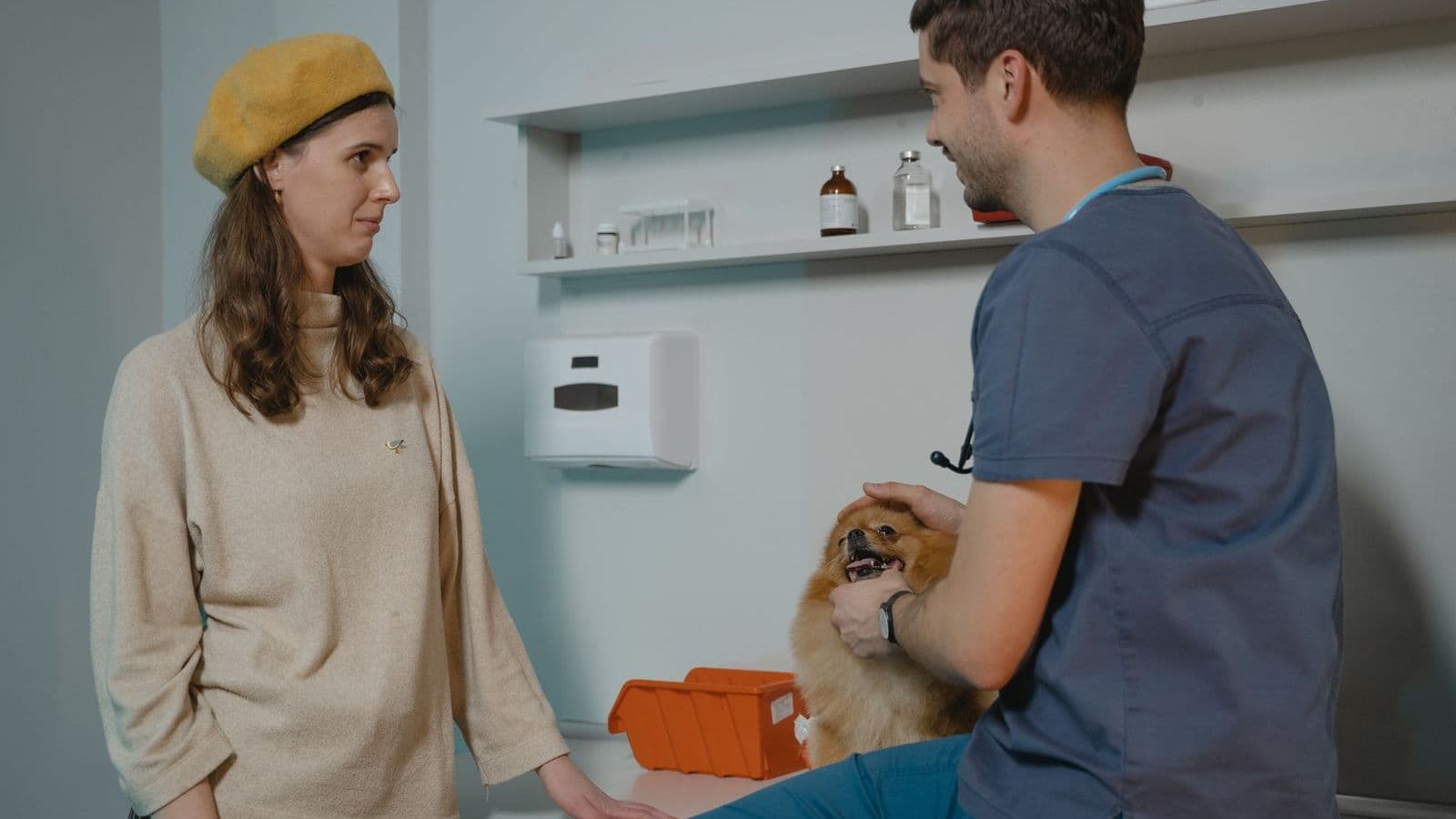
What to bring
Any paperwork from the breeder, shelter, or previous owner
Vaccination records, deworming dates, and microchip details all affect what your vet recommends next. Bring everything you have, even if it looks incomplete.
A fresh stool sample if the clinic asks for one
Many first visits include a parasite check. Call ahead and ask whether they want a sample brought in, since this saves a second trip.
A list of any behaviors or concerns you have noticed
Appetite changes, scratching, limping, or anything that seemed off. Writing it down beforehand means you will not forget to mention it once you are in the room.
High-value treats
Small, soft treats you know your dog likes make the exam table and handling a much more positive experience, and give the vet team something to pair with the visit.
A well-fitted collar or harness and a secure leash
Waiting rooms are unpredictable. Secure gear matters even for a normally calm dog, and a cat should always travel in a carrier if you have one along too.
Questions worth asking
What vaccination and preventive care schedule do you recommend for my dog specifically
Your vet will advise the right schedule based on your dog's age, breed, health history, and local disease risk. There is no single one-size-fits-all timeline, so treat this as the authoritative source rather than anything you read online.
What should I feed, and how much
Ask about portion size and food type for your dog's current age, size, and activity level, and mention any diet they arrived on.
When is it safe to be around other dogs and public spaces
This depends on your dog's vaccination status and your vet's assessment, not a fixed calendar date. Ask directly rather than assuming.
What should I watch for between now and the next visit
Ask what symptoms would warrant a call versus what is normal adjustment or growth.
Do you recommend microchipping or spay/neuter, and when
Timing varies by individual dog and vet philosophy, so this is a conversation to have directly with your vet rather than following a generic rule.
Making the car ride easier
Secure the dog in the car rather than letting them roam free
A crash-tested harness clipped to a seatbelt, a secured crate, or a back-seat barrier keeps a nervous dog from climbing into your lap or lunging at a window.
Take a short practice drive beforehand if this is a new dog's first car ride
A five-minute loop around the block a day or two before the appointment can take the edge off if car rides are completely unfamiliar.
Skip a big meal right before driving
A lighter stomach reduces the chance of car sickness, especially for a dog who has not ridden in a car much before.
Keep the car calm: quiet voice, steady driving, no sudden stops
Your own tone matters more than you might expect. A relaxed voice and smooth driving help a dog read the situation as normal, not alarming.
Making the waiting room less stressful
Ask if you can wait in the car and be called in
Many clinics will text or call when a room is ready, which skips the noisiest, most crowded part of the visit entirely for an anxious dog.
Keep distance from other animals in the waiting area
Not every dog or cat there is friendly or vaccinated. A few feet of space and a calm posture on your part goes a long way.
Use treats to build a positive association the moment you arrive
Reward calm behavior in the parking lot, the doorway, and the waiting room itself, not just once you reach the exam table.
Bring a favorite toy or blanket with a familiar scent
A small piece of home can help a dog settle while you wait, especially on a first visit to an unfamiliar building full of new smells.
Stay calm yourself
Dogs pick up on handler tension. Slow breathing and a relaxed grip on the leash communicate more to your dog than anything you say.
Vet visit handled.
Now build the plan.
TailorPup turns this into a personalized, week-by-week training plan for your dog's breed and age.