FAQ · 14 questions · Updated September 2026
Training multiple dogs
in one household.
Feeding order, resource guarding between dogs, sibling rivalry, and introducing a new dog to the pack. Honest, practical answers for multi-dog homes.
Written by the TailorPup team, updated September 2026. See our editorial approach.
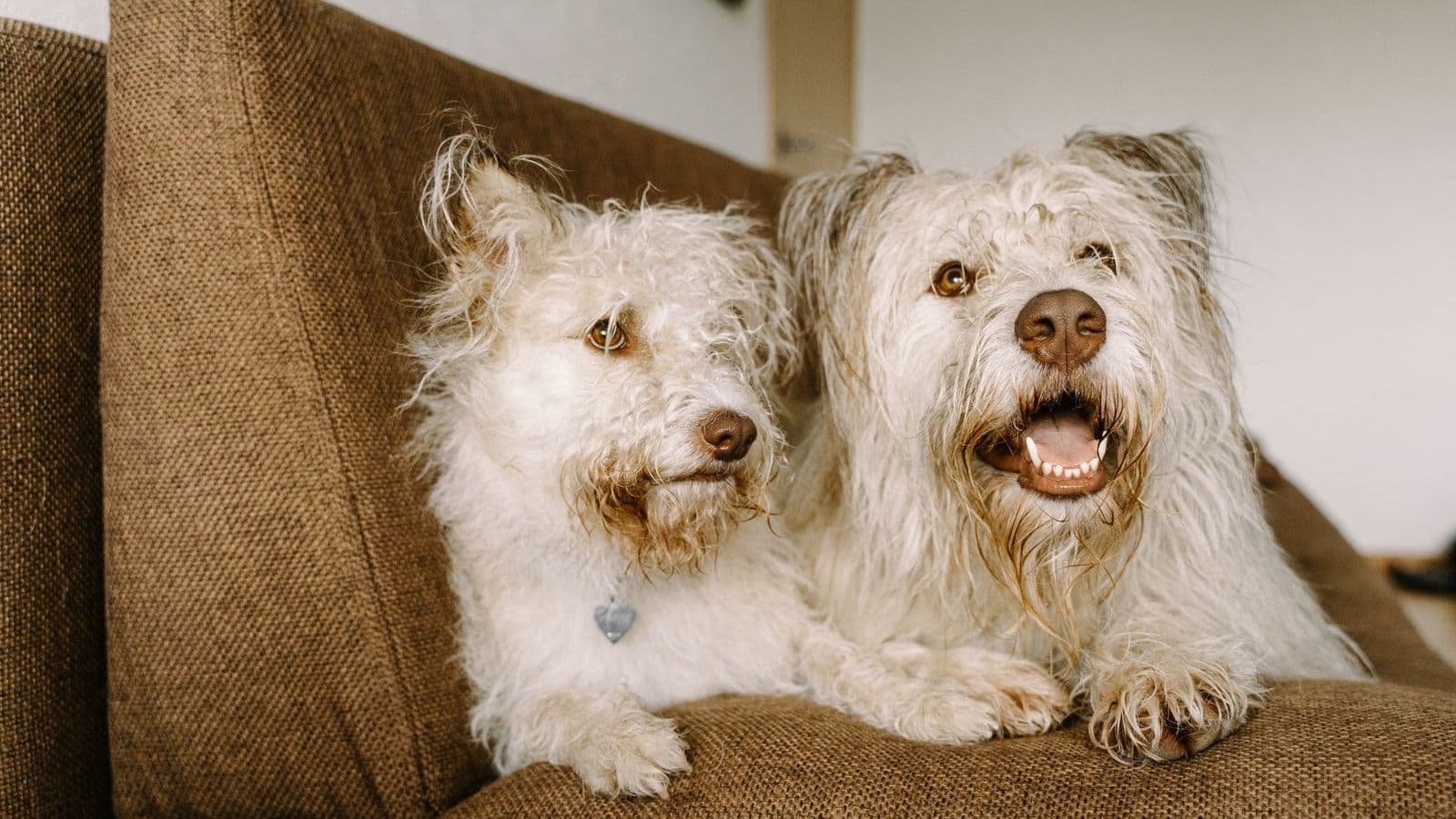
Should I train multiple dogs together or separately?
Start separately, especially for anything new. Dogs are typically more distracted and less focused around each other, so a new cue is usually learned faster one-on-one. Once each dog reliably knows a behavior, practicing it together builds the real-world skill of listening to you with a sibling present.
How do I stop my dogs from fighting over food?
Feed dogs in separate spaces, or at minimum with enough physical distance that neither dog feels the other is close to their bowl. Pick up bowls once dogs finish rather than leaving food out, and never let one dog's bowl be closer to the other dog's space than to its own. If actual fighting (not just tension) has occurred over food, treat it as a priority and consider professional guidance.
Is it normal for dogs in the same house to have a pecking order?
Some degree of social hierarchy between dogs in the same household is common and generally not a problem on its own. It becomes a concern when it consistently escalates into growling, snapping, or fighting rather than settling into a stable, low-conflict dynamic.
How do I introduce a new dog to dogs I already have?
Introduce on neutral territory first, like a walk together in a park, rather than bringing a new dog straight into the existing dog's home turf. Keep the first several interactions short, supervised, and low-pressure, and give the resident dog(s) reassurance that their routines and resources aren't being taken away.
My dogs get along fine but one is jealous when I give attention to the other. What do I do?
Practice deliberately giving attention to each dog with the other present, rewarding calm behavior rather than pushing or attention-seeking. This teaches both dogs that another dog getting attention doesn't mean they're losing something.
How do I stop one dog from guarding toys or space from the other dog?
Manage the environment first: enough toys and resting spots that dogs aren't forced to compete, and separate high-value items (bones, favorite toys) rather than leaving them out for both dogs to access at once. If guarding has led to actual conflict rather than just posturing, a professional evaluation is worth it before it escalates further.
Can I use the same training plan for both dogs, or do I need different approaches?
The core training principles are the same, but pacing and technique should be adjusted for each dog's temperament, age, and learning speed. A confident, food-motivated dog and a nervous, toy-motivated dog in the same house often need noticeably different session structures even for the same cue.
How do I stop my dogs from feeding off each other's excitement (both barking, both jumping)?
This pattern, sometimes called "trigger stacking" between dogs, typically improves by training a reliable settle or place cue with each dog individually first, then practicing it together starting with milder triggers before working up to the ones that cause the most excitement.
How many walks or how much individual attention does each dog need?
Every dog benefits from some one-on-one time and exercise, not just group walks and shared attention. Even ten to fifteen minutes of individual training or play per dog per day helps maintain the bond and gives you a chance to work on that specific dog's needs.
Is it harder to potty train a new puppy with an older dog already in the house?
It can go either way. An older, well-house-trained dog can sometimes help by modeling routine and calm behavior, but a puppy can also pick up bad habits by mimicking an older dog with existing issues. Treat the puppy's house training as its own process regardless of what the older dog already knows.
What are warning signs that tension between my dogs needs professional help?
Any actual physical fight (not just noisy posturing), a bite that breaks skin, escalating frequency of confrontations, or either dog seeming afraid to be in shared spaces are all signs to bring in a qualified professional rather than managing it alone.
How do I train a reliable recall when I have multiple dogs?
Train recall individually first so each dog has a strong, independent response to their name and the cue, then practice calling one dog while the other is present as a distraction. Calling both dogs by name together too early often means neither response is as reliable as it looks.
Does age gap between dogs matter for training?
A big age gap (like a new puppy and a senior dog) typically means different exercise tolerances and patience levels, so make sure the older dog has an easy way to remove themselves from puppy energy when they want a break, and manage puppy play time so it doesn't overwhelm an older or less tolerant dog.
How do I make sure both dogs actually listen to me and not just each other?
Practice cues in situations where the dogs are somewhat separated or distracted by something other than each other, and reward heavily for checking in with you specifically. If a dog only responds when the other dog isn't around, that's a sign the cue needs more individual reinforcement before testing it in the group setting.
One plan per dog,
one calm household.
TailorPup builds a personalized 12-week plan for each dog's breed, age, and behavior, so a multi-dog home doesn't mean multiplied chaos.