FAQ · 14 questions · Updated September 2026
Training a dog
in an apartment.
No yard, thin walls, hallway encounters, and neighbors who can hear everything. Here are honest answers to the questions apartment dog owners actually ask.
Written by the TailorPup team, updated September 2026. See our editorial approach.
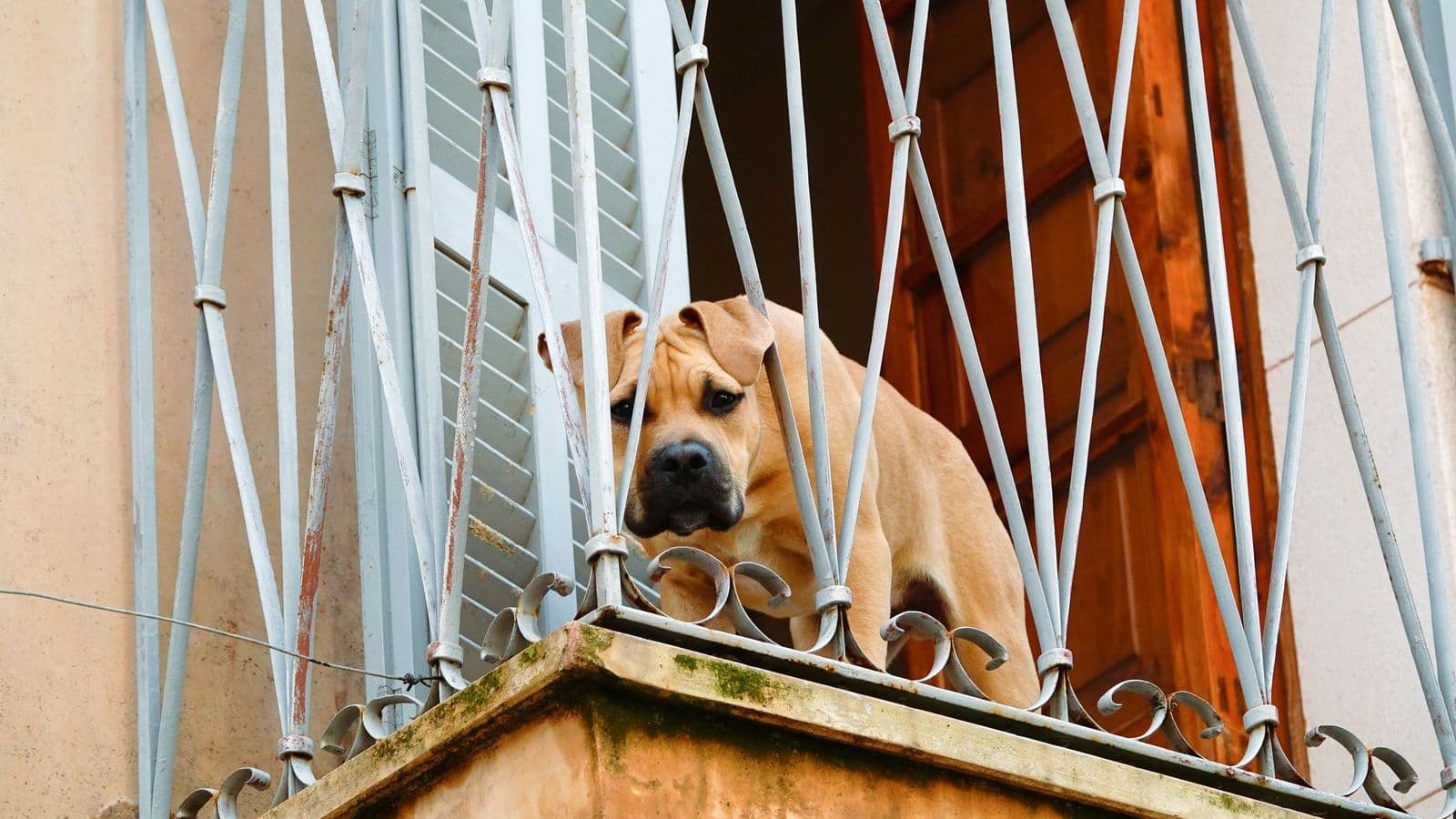
Can any dog be trained to live happily in an apartment?
Most dogs can adapt well to apartment life with the right routine, but energy level matters. A very high-energy breed will typically need more structured daily exercise to stay calm indoors than a lower-energy dog. Apartment living is less about breed and more about whether the dog's exercise and mental stimulation needs are actually being met.
How do I stop my dog from barking at every hallway noise?
Start by managing the trigger: a white-noise machine near the door and window can reduce how much your dog hears in the first place. Then work on rewarding calm, quiet behavior when a noise happens, rather than only reacting once barking has already started. Consistency across every noise event matters more than any single technique.
My neighbors are complaining about barking. What do I do first?
Take it seriously early rather than waiting. Identify the specific trigger (doorbell, hallway footsteps, other dogs), reduce exposure to it where you can, and start a consistent quiet-reward routine. If barking is tied to being left alone, treat it as a separation issue rather than a pure barking issue.
How much exercise does a dog need without a yard?
Without a yard, exercise has to be built deliberately: structured walks, off-leash time at a dog park if your dog does well there, and indoor mental stimulation like puzzle feeders or short training sessions. The right amount varies a lot by breed and age, but the key difference from a yard is that none of it happens passively, you have to schedule it.
How do I potty train a dog with no easy outdoor access?
Consistency on a schedule matters even more without a yard. Take your dog out at the same times daily, use the same door and route so the routine is predictable, and reward promptly after they go outside, not after you're back inside. Some apartment dwellers also use a designated indoor pad or turf system as a backup, especially for small breeds or during illness/bad weather.
How do I handle hallway or elevator encounters with other dogs?
Give both dogs space rather than forcing a greeting in a tight hallway or elevator, that's a common trigger for reactivity precisely because there's no room to retreat. Practice a solid "watch me" or loose-leash check-in cue at home first, then use it to redirect your dog's focus to you when you pass another dog in a narrow space.
My dog won't stop whining when I leave for work. Is this separation anxiety?
Mild whining for the first few minutes after you leave is common and often resolves on its own. Ongoing, escalating distress, destructive behavior, or self-injury is a sign of true separation anxiety and typically needs a structured desensitization plan, or in more severe cases a veterinary consultation, rather than just "more training."
Are certain breeds a bad fit for apartment living?
Very high-energy working and herding breeds can do fine in an apartment, but only if their owner is realistic about the daily exercise commitment involved. The mismatch usually isn't the apartment itself, it's underestimating how much structured activity a specific breed actually needs.
How do I stop my dog from reacting to noise through the walls?
Background noise (a fan, white noise, or low TV volume) helps mask sudden sounds. Beyond that, treat it like any other trigger: reward calm behavior when a wall-noise event happens instead of only addressing it after your dog has already reacted.
Can I crate train a dog in a studio or one-bedroom apartment?
Yes, crate training works the same regardless of square footage, and can actually help in a small space by giving your dog a defined "den" area that's theirs. Placement matters more in a small apartment: keep it away from the loudest wall or the door where hallway noise is worst.
How do I introduce my dog to a new apartment building?
Give your dog time to adjust before expecting polished manners: a few calm walks around the building at quiet times, letting them sniff the hallway and elevator area without pressure, before you need them to be calm during a busy commute-hour encounter.
What's the single most useful cue for apartment life specifically?
A reliable "quiet" cue paired with a strong "leave it" typically does more day-to-day work in an apartment than almost anything else, since most apartment friction comes from noise and close-quarters encounters rather than off-leash recall.
How do I manage a dog that gets overstimulated by people constantly passing by?
If your dog reacts to every person walking past a window or under a balcony, managing the view (blocking direct sightlines to the street) is often more effective short-term than trying to train through constant exposure. Combine that with rewarding calm behavior on the rare occasions your dog does stay settled near the window.
Is it fair to keep a dog in an apartment long-term?
Yes, for the vast majority of dogs, as long as their exercise, mental stimulation, and social needs are genuinely being met. Apartment living isn't inherently unfair to a dog, an under-exercised dog in a house with a yard can be just as under-stimulated as one in a studio apartment.
Small space,
a real plan.
TailorPup builds a personalized 12-week plan around your dog's breed, age, and living situation, apartment included.