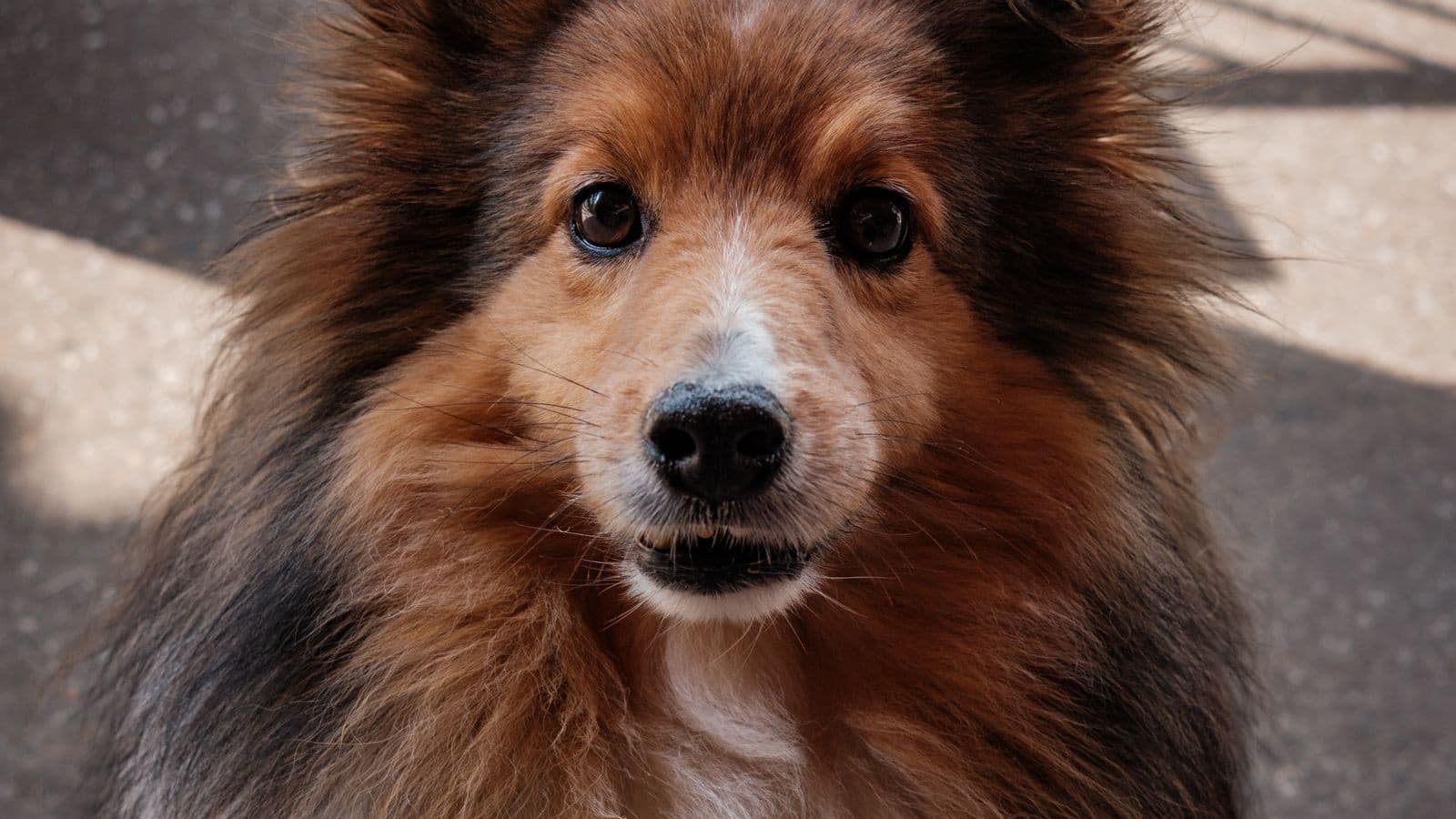
The Shetland Sheepdog is among the smartest, most trainable breeds, ranked sixth for working intelligence, but two genetic traits, a strong tendency to bark and an exceptional sensitivity, produce most problems when owners do not address them. It learns almost anything quickly, yet that same brilliance and softness mean barking and timidity can set in fast. Here are the seven mistakes that cause the most trouble, and what to do instead.
1. Ignoring barking until it is a habit
Shelties are vocal herders by genetics, alert-barking and barking while excited, and owners who do not address it from week one end up with a dog that barks at everything. The habit sets fast. Reward quiet proactively, teach a "quiet" cue, manage triggers, and never reward demand or excitement barking, shaping the vocal tendency before it becomes the dog's default. See our barking guide.
2. Skipping socialization
Shelties can be shy or timid, and under-socialization turns this into fearfulness and reactivity, which matters more for this breed than for bolder ones. Owners who shelter the puppy assume the reserve is fixed. Socialize heavily during the critical window, introducing new people, dogs, and places positively, and you produce a confident adult rather than an anxious, reactive one.
3. Suppressing the herding and chase drive
Shelties chase cars, bikes, and running children, expressing the herding drive toward movement, and owners who punish it produce frustration without removing the instinct. The drive needs an outlet. Channel it into appropriate games, dog sports, or herding instead, redirect from the first occurrence, and reward calm, so the chase instinct has a constructive place to go.
4. Harsh handling
The exceptionally sensitive Sheltie shuts down under corrections and can become timid, losing confidence fast. Owners who try to be firm damage a soft-hearted dog. Reward-based training is essential and produces a confident, happy dog, so keep your tone warm and encouraging, make cooperation rewarding, and never use harshness on a breed this emotionally delicate.
5. Under-using their intelligence
Shelties are brilliant and need real mental work, and a bored one barks, frets, and develops neurotic behaviors. Owners who provide only physical exercise leave the clever mind unoccupied. Provide agility, trick training, and scent games, give the breed genuine mental challenge, and the same dog stays calm and content, because the intelligence thrives on having a real job to do.
6. Letting reactivity develop
The Sheltie's awareness and herding drive can curdle into leash reactivity if unaddressed, especially toward movement and other dogs. Owners who ignore early signs let it entrench. Counter-condition early, reward calm responses at a distance, and build positive associations before the reactivity sets in. See our reactivity guide.
7. Forcing a timid dog
Pushing a shy Sheltie into overwhelming situations backfires and deepens the fear, yet owners often try to "show it there is nothing to fear." Flooding only confirms the dread. Build confidence gradually at the dog's own pace with rewards, let it approach new things on its terms, and never overwhelm a sensitive, timid dog.
What this looks like at home
The scene. The doorbell rings and your Sheltie launches into a ten-minute barking fit, circling you and nipping at ankles while the visitor stands outside. Later the same dog hides behind the sofa when a vacuum starts.
What to do instead. Teach "quiet" the first time the dog barks, not the hundredth: mark the pause between barks and reward it, then lengthen the pause. Practice the doorbell with a helper and a mat the dog goes to. Expose the puppy to household noises at low volume with treats, raising it slowly, so sensitivity does not turn into fear. Give the herding instinct a legal outlet such as a rolling ball or agility basics, so nipping heels does not become the hobby.
What works with Shelties
Address barking from day one, socialize heavily and build confidence, channel the herding drive, use gentle methods, engage the brilliant mind, and prevent reactivity. The common thread is honoring a brilliant, sensitive herder: manage the voice, go gently, and feed the mind, and the Sheltie is a devoted, brilliant, well-mannered companion.
TailorPup's Sheltie plan includes a dedicated barking protocol, front-loads confidence-building, channels the herding drive, and leverages the breed's brilliance.
Start your Sheltie's plan at tailorpup.com →
Related: How to Train a Shetland Sheepdog · Barking Solutions · Reactivity Training