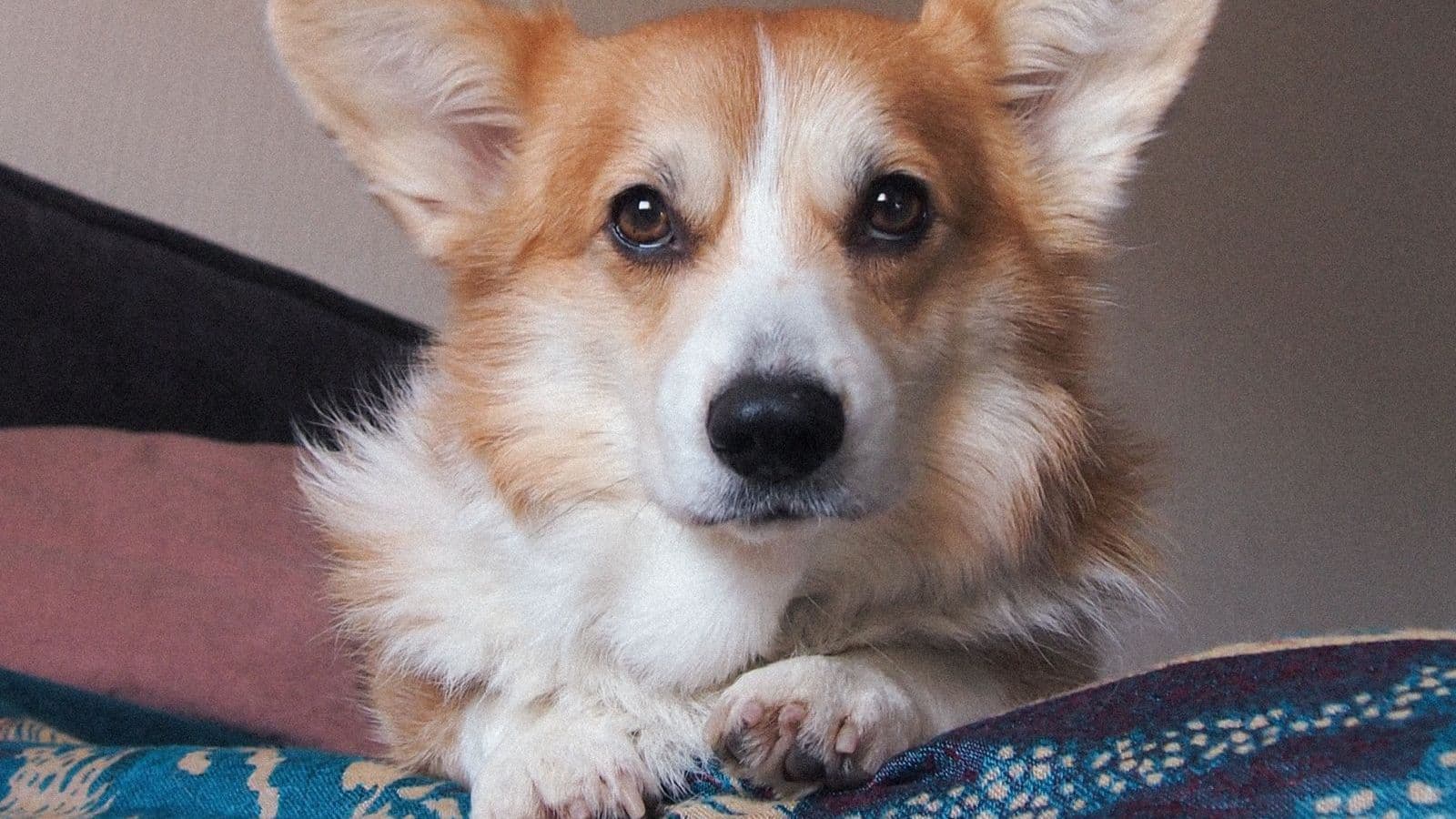
People adopt Corgis for the adorable proportions and the internet fame, then discover they have brought home a serious cattle-herding dog with all the drive, intelligence, and energy that job description implies. Welsh farmers did not breed this dog to be decorative : they bred it to move cattle by nipping heels and dodging kicks, all day, in all weather.
The famous shape hides two truths that decide everything about Corgi ownership : a genuine working brain that must be fed, and a long, vulnerable spine that must be protected. Most Corgi problems come from treating a herding dog like a low-maintenance lapdog. Here are the eight mistakes that cause the most trouble, and what to do instead.
1. Underestimating exercise and mental needs
The short legs are false advertising : Corgis are herding dogs that need 60 or more minutes of daily activity plus real mental work, the same category of requirement as their taller herding cousins. Owners who bought the meme discover the working dog the hard way, through nipping, barking, digging, and creative household destruction, all standard output from an under-stimulated herder.
Provide genuine daily exercise, brisk walks, play sessions, fetch, and add brain work, training, puzzle feeders, scent games. Ten minutes of nose work settles a Corgi more than an extra lap of the block. A worked Corgi is a pleasant Corgi; a bored one is a project.
2. Allowing heel-nipping
Corgis were bred to nip cattle heels, and the software activates around four to six months, targeting whatever moves : running children first, then joggers, then your ankles on the stairs. It is not aggression, it is the job, but cute in a 12-week puppy is a genuine problem in an adult with a herding bite. Handle it from the very first occurrence :
- Never reward nipping with attention, squealing, or chase games.
- Freeze movement the instant teeth touch, motion is the reward, so remove it.
- Redirect into legal chase : tug, fetch with rules, flirt-pole sessions.
- Teach children to stop and stand still rather than run and shriek.
The drive stays, the target changes. That is the whole trick with herding breeds.
3. Letting them jump off furniture
The Corgi's long spine on short legs is its structural weak point : the breed is prone to intervertebral disc disease, and every leap off the couch or bed is a compression event on a back that cannot afford them. The damage is cumulative and silent, until the day it is not, IVDD can mean surgery or paralysis. Build the protective habits early :
- Train a wait-to-be-lifted routine for furniture and car exits.
- Provide ramps or pet stairs at the couch and bed.
- Manage full staircases, especially going down.
- Keep jumping games (frisbee leaps, high catches) off the menu entirely.
None of this limits a Corgi's fun. It just routes the fun around the spine.
4. Free-feeding
Corgis gain weight with legendary efficiency, the breed treats every calorie as a rainy-day investment, and excess weight loads directly onto the vulnerable back, multiplying the disc-injury risk from mistake three. A chubby Corgi is not extra cute, it is a back problem on a countdown. Feed measured meals only, twice a day, and draw training treats from the daily ration rather than adding them on top. You should feel ribs under a light fat cover and see a waist from above. A lean Corgi is a dramatically healthier Corgi, and leanness is the cheapest back insurance available.
5. Suppressing the herding drive
Punishing the chase, the nip, and the herd-everyone-into-the-kitchen routine produces a frustrated, confused dog, because the drive is genetic and has nowhere to go. Owners who set out to eliminate it are fighting selective breeding with a spray bottle, and losing. Channel it instead : fetch with rules (sit before the throw, drop on return), flirt-pole with start and stop cues, treibball, pushing exercise balls on command, is herding without livestock and Corgis are naturals, or formal herding lessons if available. Give the instinct a legal outlet daily, and the illegal outlets, ankles, children, the vacuum, lose their appeal.
6. Letting leash reactivity develop
The Corgi's sharp environmental awareness plus its motion-triggered herding drive can curdle into leash reactivity : lunging and barking at bikes, joggers, skateboards, and other dogs, everything that moves fast is either livestock or a problem. Early signs, intense staring, stiffening, the first frustrated bark, are the cheap moment to intervene.
Counter-condition from the start : at a distance where your Corgi notices the trigger but can still think, mark and pay calm looking, and close the distance over weeks at the dog's pace. See our reactivity guide for the full threshold protocol. Rehearsed reactivity entrenches fast; prevented reactivity never gets a foothold.
7. Inconsistent rules
Corgis rank eleventh in working intelligence, and they deploy every point of it on household policy analysis. A rule enforced sometimes, couch access on lazy Sundays, begging that works when guests find it charming, is not a rule to a Corgi, it is an opening position. The breed tests inconsistency with a herder's persistence, and it is more patient than you are tired. Every household member must apply the same rules with the same cues, the same way, every time. Given genuinely consistent structure, the clever Corgi relaxes and works within it, the negotiation ends when the terms stop moving.
8. Ignoring the vocal tendency
Corgis were bred to be vocal on the job, barking moved cattle, and the modern dog retains a big voice and a low threshold for using it. Unmanaged, the natural alertness becomes nuisance barking at everything : doorbells, leaves, opinions. Shape it early : reward quiet proactively, teach a "quiet" cue by paying the pause after an alert, manage the obvious triggers (window perches with street views), and keep the exercise budget full, because a large share of Corgi barking is simply unspent energy with a soundtrack. An alert bark is the breed working. The twenty-minute monologue is a habit you allowed.
What works with Corgis
Treat the Corgi as what it is, a serious herding dog in a compact, structurally vulnerable body. Feed the working brain daily, channel the herding drive into legal outlets, guard the spine with ramps, lifted descents, and a lean weight, counter-condition reactivity before it starts, hold consistent rules, manage the voice, and train everything with rewards.
Do that, and you get the dog the internet actually fell in love with : brilliant, funny, bossy in the charming way, and devoted. Skip it, and the same genetics produce a barking, nipping, reactive handful with a bad back. The difference is the program, not the dog.
TailorPup's Corgi plan front-loads herding-drive channeling and nipping protocols, structures exercise to protect the spine, and meets the breed's real working-dog needs with reward-based sessions.
Frequently Asked Questions
Why does my Corgi nip at ankles and children?
Heel-nipping is the breed's cattle-herding technique applied to the moving targets available. Freeze motion when it happens, redirect into legal chase games, and give the drive daily outlets. Punishing the instinct without replacing it just builds frustration.
Are Corgis good apartment dogs?
They can be, if the exercise and mental-work budget is honored : 60+ minutes of activity plus brain games daily. The size fits an apartment; the working brain does not care about square footage, only about employment.
How do I protect my Corgi's back?
Keep the dog lean, add ramps at furniture, train wait-to-be-lifted, manage stairs, and skip jumping games. IVDD risk is structural in this breed, and weight plus repeated impacts are the two levers you control.
Do Corgis bark a lot?
The tendency is real, they were bred vocal. With early quiet-cue training, trigger management, and a full exercise budget, it stays a reasonable watchdog alert instead of a running commentary.
Start your Corgi's plan at tailorpup.com →
Related: How to Train a Pembroke Welsh Corgi · Reactivity Training · Recall Training