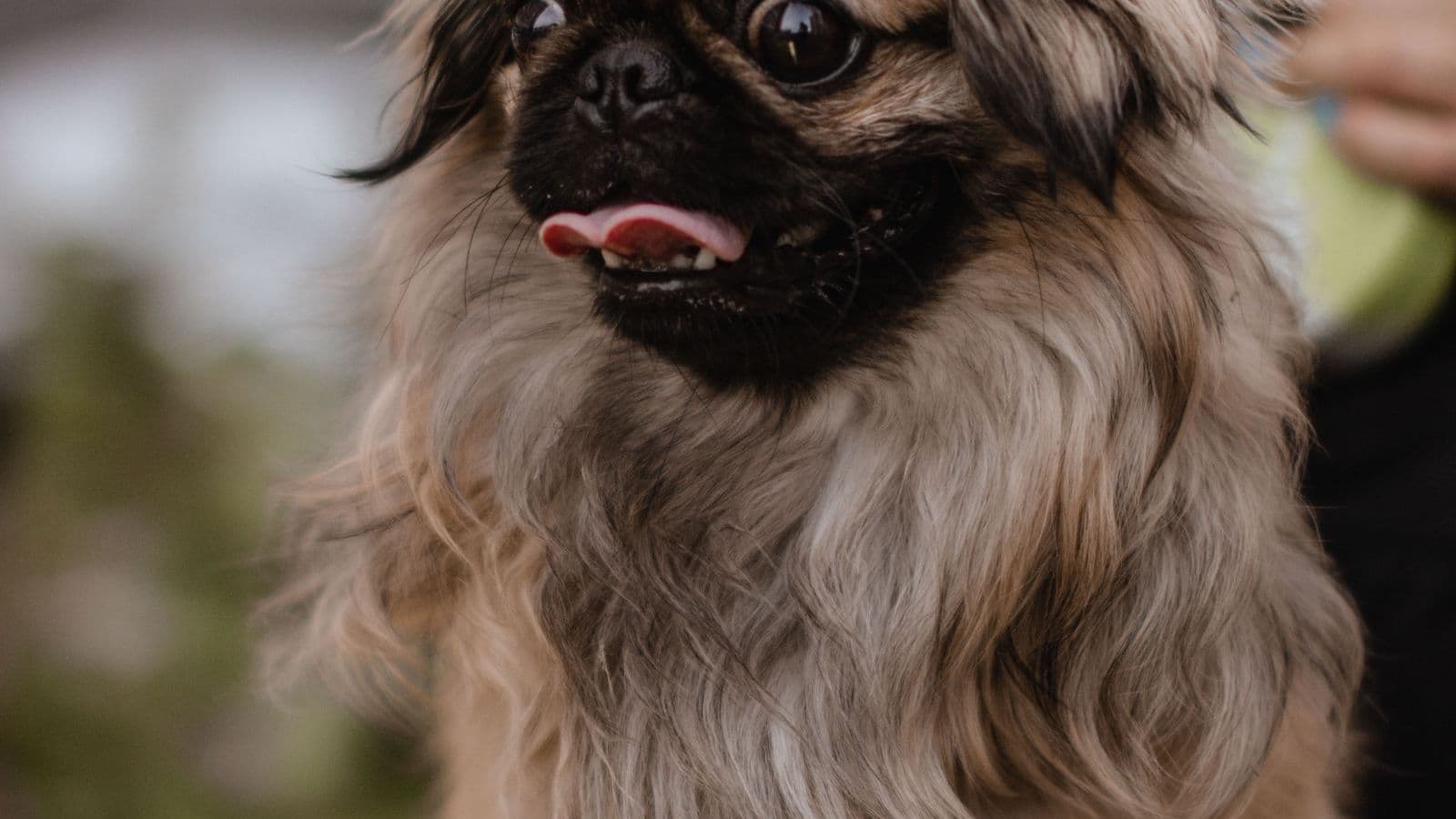
The Pekingese is a regal, dignified, independent companion bred over centuries in the Chinese imperial court to be served rather than to serve. That self-possessed, slightly imperious nature is the heart of the breed, and it is also why owners who expect an eager, obedient little dog feel frustrated. Almost every Pekingese problem comes from misreading the dignity as defiance, or from forgetting the flat-faced body underneath the lion-like coat. Here are the six mistakes that cause the most trouble, and what to do instead.
1. Expecting eager obedience
The Pekingese is genuinely independent and complies when it sees a benefit, not simply because you asked. Owners who expect Border Collie eagerness read the breed as stubborn and push harder, which only entrenches it. Adjust your expectations, use gentle, food-based motivation, keep sessions short and rewarding, and let the dog choose to cooperate rather than trying to force it.
2. Giving up on house training
Tiny bladders plus an independent streak make house training genuinely slow, and owners who expect fast results lose patience and assume the dog cannot learn. It can, with structure. Hold a strict potty schedule, reward heavily for every success, never punish accidents, and stay consistent for five to six months or more; indoor pads give a reliable backup along the way.
3. Over-pampering into demanding behavior
The Pekingese invites spoiling, and an over-indulged one quickly learns to rule the household through fussing and demands. Owners who give in to every whim create a tiny tyrant. Pair affection with gentle, consistent structure, ask for a simple behavior before rewards, and never reinforce demanding behavior, so the dog stays charming rather than bossy.
4. Exercising in the heat
The flat brachycephalic face means the Pekingese overheats dangerously fast, and owners who walk it in warm weather risk genuine respiratory distress. This is a safety issue, not a preference. Exercise gently and only in cool conditions, keep activity short, watch for labored breathing, and never push a flat-faced dog in heat or humidity.
5. Using a neck collar
The flat face and compromised airway mean neck pressure from a collar can worsen breathing and strain the throat. Owners who clip a lead to a collar out of habit add risk with every pull. Use a well-fitted harness instead, which spreads pressure across the chest and protects the sensitive airway, especially on a dog that may already breathe with effort.
6. Harsh handling
The dignified Pekingese is also sensitive, and harsh corrections make it withdraw, sulk, or shut down rather than comply. Owners who try to dominate the breed simply lose its cooperation. Use gentle, motivating, reward-based methods, keep your tone calm and respectful, and work with the dog's pride rather than against it.
What works with Pekingese
Adjust your expectations, stay patient with house training, provide gentle structure, exercise only in cool conditions, use a harness, and motivate gently. The common thread is respecting a dignified, flat-faced companion: honor the independence, protect the airway, and lead with kindness rather than force, and the Pekingese is a dignified, affectionate, endlessly charming companion.
TailorPup's Pekingese plan uses gentle motivation, includes a house-training protocol with indoor options, calibrates exercise to breathing safety, and sets realistic expectations.
Start your Pekingese's plan at tailorpup.com →
Related: How to Train a Pekingese · Recall Training · Barking Solutions