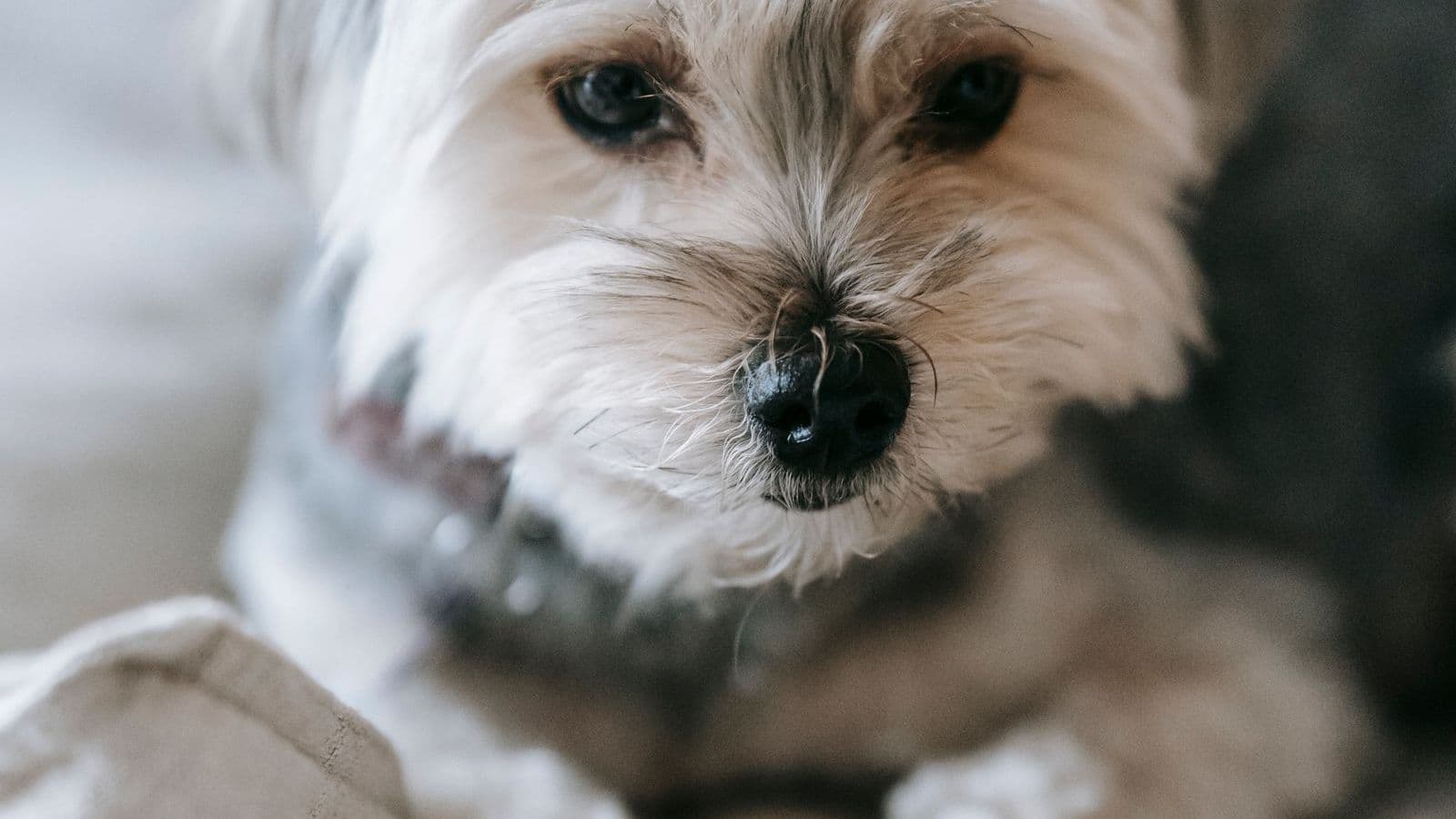
The Morkie crosses the sweet, affectionate Maltese with the feisty, prey-driven Yorkshire Terrier, and the result is a charming little dog with more terrier in it than the cuddly looks suggest. Most training problems come from treating it as a fragile lapdog and overlooking the Yorkshire side. Take it seriously as a real little dog, and the Morkie is delightful. Here are the five mistakes that cause the most trouble, and what to do instead.
1. Carrying it instead of letting it walk
A Morkie that is carried everywhere never develops normal behavior, confidence, or leash manners, and learns the world is something to be protected from. Owners who scoop it up at every approach make the dog more anxious, not safer. Let it walk on its own four feet, explore, and meet the world from the ground, rewarding calm, brave behavior.
2. Allowing demand barking
Both parent breeds are vocal, and a Morkie quickly learns that barking is its most effective tool for getting attention, food, or up onto the couch. Owners who give in to the barking reinforce it hard. Never reward the demand bark: wait for quiet, reward calm, and the habit fades. Early management is far easier than undoing it.
3. Underestimating the terrier prey drive
The Yorkshire side gives many Morkies a genuine chase instinct, and a dog locked onto a squirrel or cat can bolt with no margin near traffic for a dog this small. Owners who expect a placid lapdog are caught out. Manage the prey drive outdoors, build recall on a long line, and treat off-leash freedom as a fenced-area goal.
4. Making size-based exceptions
Because the Morkie is tiny, owners let it break rules a larger dog never would, which breeds the pushy, reactive behaviors of small-dog syndrome. Hold the same consistent boundaries you would for a big dog, on furniture, greetings, and manners, and the Morkie grows up confident and well-mannered rather than demanding.
5. Neglecting coat conditioning
The fine, silky coat mats easily and needs regular brushing and grooming, and a dog that was never taught to accept handling turns every session into a fight. Owners who skip this end up with a matted, stressed dog. From puppyhood, pair brushing and handling with treats in short sessions, so grooming stays a calm lifelong routine.
What works with Morkies
Let it walk and explore, ignore the demand barking, manage the terrier prey drive, hold consistent rules, and condition grooming. The common thread is honoring the Yorkshire Terrier inside the sweet Maltese cross: let it walk, ignore demand barking, manage the terrier prey drive, and hold consistent rules, and the spirited side becomes charm rather than chaos. The intelligence and the feistiness both respond to consistent, reward-based handling taken seriously.
TailorPup's Morkie plan accounts for the Yorkshire Terrier traits that make it more than a sweet Maltese.
Start your Morkie's plan at tailorpup.com →
Related: How to Train a Morkie · Barking Solutions · Puppy Training Basics