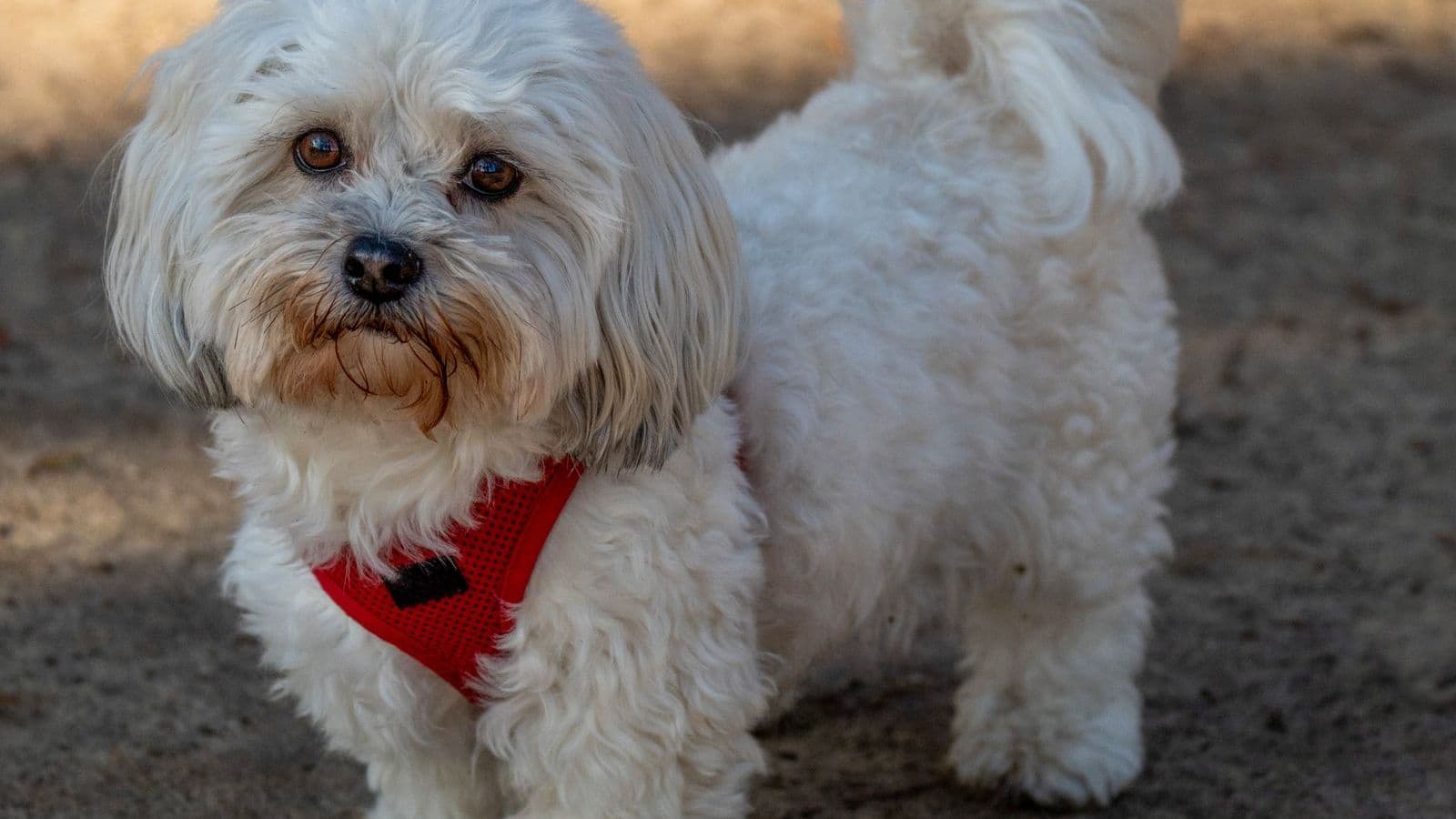
The Maltese is an ancient companion breed, gentle, intelligent, and bred for millennia purely to keep people company. That long history of constant companionship, combined with its very small size, produces a predictable set of problems: intense bonding, house-training struggles, and a fragility that demands careful handling. Almost every Maltese issue comes from the deep attachment or from treating a tiny dog as something other than a capable little dog. Here are the six mistakes that cause the most trouble, and what to do instead.
1. Skipping independence training
This is the breed's biggest risk. Bred for constant companionship over millennia, the Maltese bonds intensely and is genuinely prone to separation anxiety, and early independence work prevents most cases. Owners who keep it constantly at their side create the problem. Start independence training in puppyhood with short, calm absences, build them gradually, and teach the dog that being alone is safe before the attachment hardens into distress.
2. Carrying them everywhere
A Maltese that is always carried never builds confidence and stays fearful, which fuels reactivity and small-dog syndrome. Owners carry it because it is small and portable, not realizing the cost to its confidence. Let the dog walk and explore on the ground, build its independence through normal activity, and reserve carrying for genuine safety situations rather than making it the default mode of transport.
3. Giving up on house training
Tiny bladders plus a dislike of cold and wet make the Maltese one of the harder breeds to house-train, and inconsistency produces failures and discouraged owners. It can be done with persistence. Hold a strict schedule, reward every success heavily, never punish accidents, and use indoor pads as a reasonable backup, expecting the process to take four to six months with this breed.
4. Using collars
Maltese tracheas are fragile and prone to collapse, and leash pressure on the neck can cause real injury. Owners who clip a lead to a collar out of habit add genuine risk. Always use a well-fitted Y-shaped harness instead, which spreads pressure across the chest and protects the delicate windpipe on this very small, structurally vulnerable dog.
5. Harsh handling
The tiny, sensitive Maltese shuts down under any harshness and can become snappy or fearful as a result. Owners who try to be firm misjudge a delicate dog. Reward-based training with confidence-building is the only effective approach, so keep your tone gentle, make cooperation rewarding, and build the dog's confidence rather than eroding it with corrections it cannot absorb.
6. Allowing demand behaviors
The pampered Maltese will demand attention, food, and lap time if those demands are rewarded, quickly becoming a tiny tyrant. Owners who give in to every fuss reinforce it. Do not reward demand barking or pestering; reward calm behavior instead, ask for a simple behavior before giving attention, and the same sweet dog stays well-mannered rather than demanding.
7. Carrying them instead of teaching them to walk
A Maltese is easy to pick up, and many owners do it constantly. The dog then never learns calm leash manners or how to be confident on the ground around other dogs. Let it walk and sniff on a lead, practice short outings, and pick it up only when needed.
8. Skipping alone-time training
Maltese bond closely with their people and can struggle when left alone, barking or fretting until you return. Start with seconds of absence and build up, give a chew or food toy when you leave, and keep departures and arrivals low-key. A little practice every day beats a long absence you could not avoid.
9. Handling roughly
A Maltese is small and delicate, and rough handling or poorly supported lifting can frighten or hurt the dog. Children in the house should learn how to pick it up properly or sit down and let it come to them. Gentle, predictable handling makes the dog far more relaxed about grooming and vet visits.
A realistic weekly routine
A week for a Maltese might include a few short walks on a lead, two or three short training sessions with tiny treats, daily play that uses the nose or a simple trick, and daily brushing to keep the coat free of mats. Practice calm departures several times a week, reward quiet behavior, and keep the toilet routine steady, because small breeds benefit from predictable routines.
What works with the Maltese
Front-load independence training, let them walk, be patient with house training, use a harness, use gentle methods, and do not reward demands. The common thread is treating a deeply bonded tiny dog as a capable one: build independence, protect the fragile body, and pair affection with structure, and the Maltese is a gentle, well-mannered, confident companion instead of the yappy stereotype.
TailorPup's Maltese plan front-loads independence training and socialization, includes a house-training protocol, and uses the gentle methods the breed needs.
Start your Maltese's plan at tailorpup.com →
Related: How to Train a Maltese · Recall Training · Barking Solutions