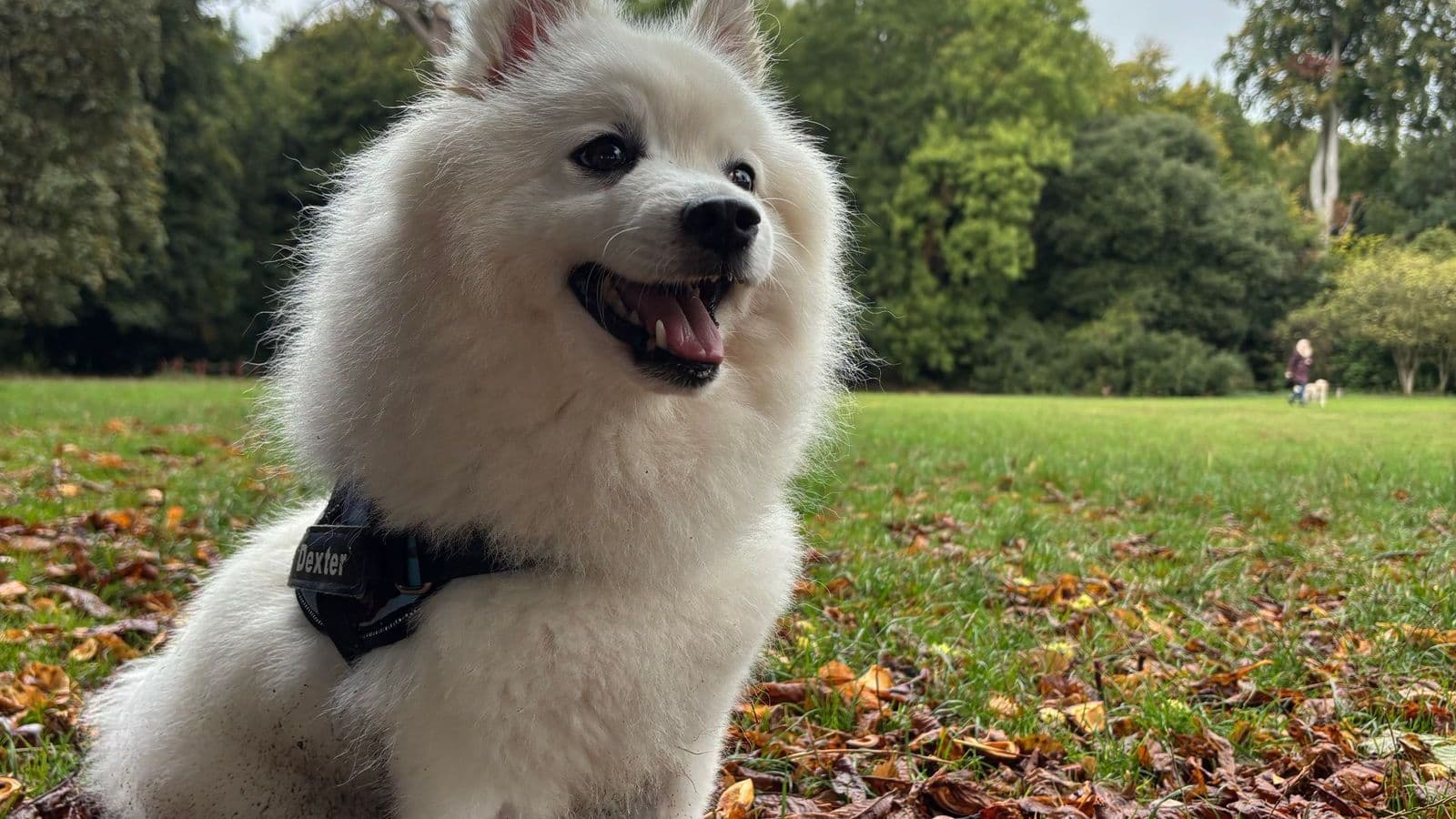
The Japanese Spitz is a bright, sociable, brilliantly white companion spitz, bred purely for family life and famous for its cheerful, devoted temperament. It is one of the easier small companions to live with, but it carries the classic spitz alert-barking tendency and a quick mind that bores easily, and those two traits are where most training trouble begins. Manage them well and the breed is delightful. Here are the five mistakes that cause the most trouble, and what to do instead.
1. Allowing alert barking from day one
The alert-barking habit forms quickly in spitz breeds, and a Japanese Spitz that is allowed to sound off at every noise as a puppy becomes a habitually vocal adult. Owners who find the early barking harmless are caught out later. Install a "quiet" cue immediately, reward calm responses to triggers, and manage what the dog reacts to before the watchfulness hardens into constant noise.
2. Boring, repetitive sessions
The intelligent Japanese Spitz disengages quickly from monotonous, repeated drilling and simply tunes out. Owners who run the same exercise over and over lose the dog's attention. Vary the sessions constantly, introduce new tricks and challenges, keep training short and upbeat, and end while the dog is still keen, working with the bright, quick mind rather than dulling it.
3. Confusing the white coat with high maintenance
Owners assume the brilliant white coat must be constant work and either over-groom or feel daunted, but the Japanese Spitz coat is genuinely self-cleaning and easier than it looks. Misjudging it leads to unnecessary fuss or neglect. Regular brushing, especially during shedding, is enough; the coat sheds dirt naturally, so sensible routine care keeps it bright without the effort the color suggests.
4. Under-socializing the puppy
Broad early socialization directly reduces the number of things a Japanese Spitz feels the need to bark at, and a dog that misses it grows more reactive and vocal. Owners who shelter the puppy unintentionally feed the barking problem. Socialize widely and positively during the puppy window, introducing new people, dogs, and sounds calmly, so the alert temperament stays confident rather than reactive.
5. Treating it as a passive lap dog
The Japanese Spitz is alert, intelligent, and genuinely characterful with an independent streak, and owners who treat it as a docile cushion-warmer leave a bright dog under-engaged. The result is boredom and mischief. Engage it as a real, thinking dog with games, tricks, and gentle jobs, and let it use its mind rather than expecting it to settle for being decorative.
What works with Japanese Spitzes
Manage barking early, keep training varied, maintain the coat sensibly, socialize broadly, and engage the mind. The common thread is matching the breed's bright, companion-bred mind: install a "quiet" cue before the spitz bark sets in, keep training short and varied so the quick mind never bores, and the self-cleaning coat stays low-effort. Do that, and the Japanese Spitz is one of the easiest, most delightful small companions to live with.
TailorPup's Japanese Spitz plan prioritizes bark management and varied, progressive training.
Start your Japanese Spitz's plan at tailorpup.com →
Related: How to Train a Japanese Spitz · Barking Solutions · Puppy Training Basics