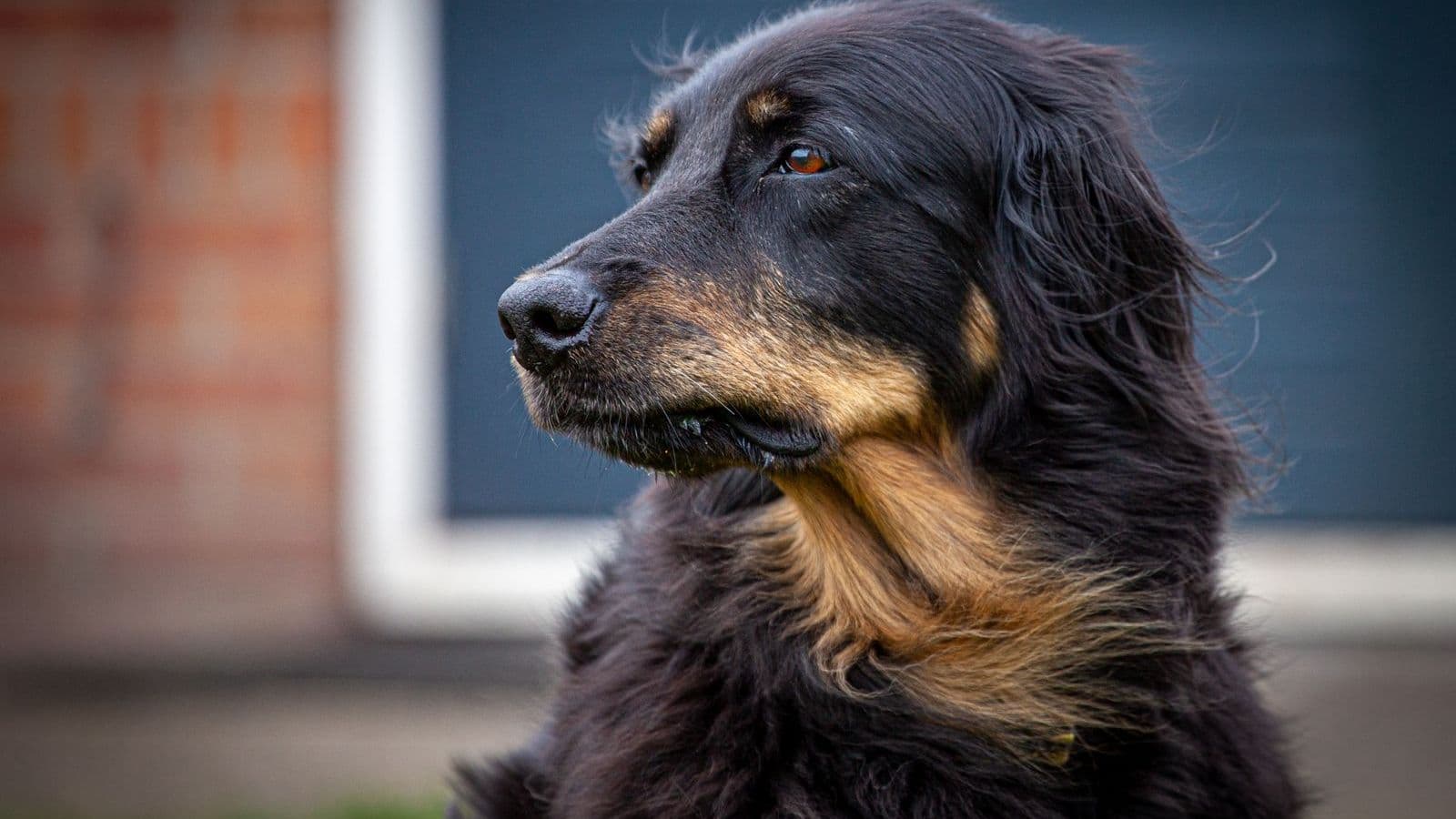
The Hovawart is an ancient German estate guardian bred to protect farms and property while making its own decisions, and it comes with slow maturity, independent judgment, and a strong protective instinct. Owners who expect a quick-to-mature, eager-to-obey working dog are caught off guard by the long, testing adolescence and the self-directed mind. Almost every Hovawart problem comes from inconsistency during that long maturation or from under-socializing a guardian. Here are the five mistakes that cause the most trouble, and what to do instead.
1. Underestimating the adolescent phase
Between roughly six and eighteen months the Hovawart systematically tests every rule and boundary you have set. Owners who relax their consistency during this phase find the dog rewriting the household rules. Hold calm, steady, consistent enforcement throughout adolescence, because the boundaries you maintain through this period are exactly what shape the stable adult guardian.
2. Insufficient socialization
A Hovawart that is not extensively socialized lets its guardian instinct curdle into broad, indiscriminate suspicion of people and dogs, which is serious in a powerful breed. Owners who shelter the puppy assume the wariness is just temperament. Socialize widely and positively from early puppyhood to shape genuine discrimination, so the adult reacts to real threats rather than to everything unfamiliar.
3. Treating it like a companion dog
The Hovawart is a working guardian that needs structured work and mental challenge, and owners who offer only affection leave a capable dog under-occupied and prone to inventing its own jobs. The breed needs a role. Provide training, a real task, and consistent mental engagement, and give the working mind something purposeful to do rather than expecting it to settle for cuddles alone.
4. Repeating commands
The independent Hovawart reads a repeated cue as optional, learning that it can ignore the first ask and wait. Owners who nag teach the dog to tune them out. Ask once, wait for the response, and reward it, following through calmly so the dog learns that a single command from you always carries weight.
5. Delaying leash and size-management work
A Hovawart that never learned loose-leash walking as a puppy becomes very hard to manage once it reaches full guardian size. Owners who put off the work underestimate the adult dog's power. Install loose-leash walking and basic manners early, while the dog is still small enough to guide easily, and keep reinforcing them as it grows.
What works with Hovawarts
Stay consistent through adolescence, socialize broadly, provide real work, ask once, and install leash manners early. The common thread is consistency through a long adolescence: the Hovawart's independent judgment and slow maturity mean the rules you set and hold from six to eighteen months shape the adult, so calm, steady enforcement matters more than any single cue. Pair that with broad socialization and real work, and the brilliant, reliable guardian emerges.
TailorPup's Hovawart plan accounts for slow maturity, independent judgment, and guardian instincts.
Start your Hovawart's plan at tailorpup.com →
Related: How to Train a Hovawart · Leash Pulling · Recall Training · Puppy Training Basics