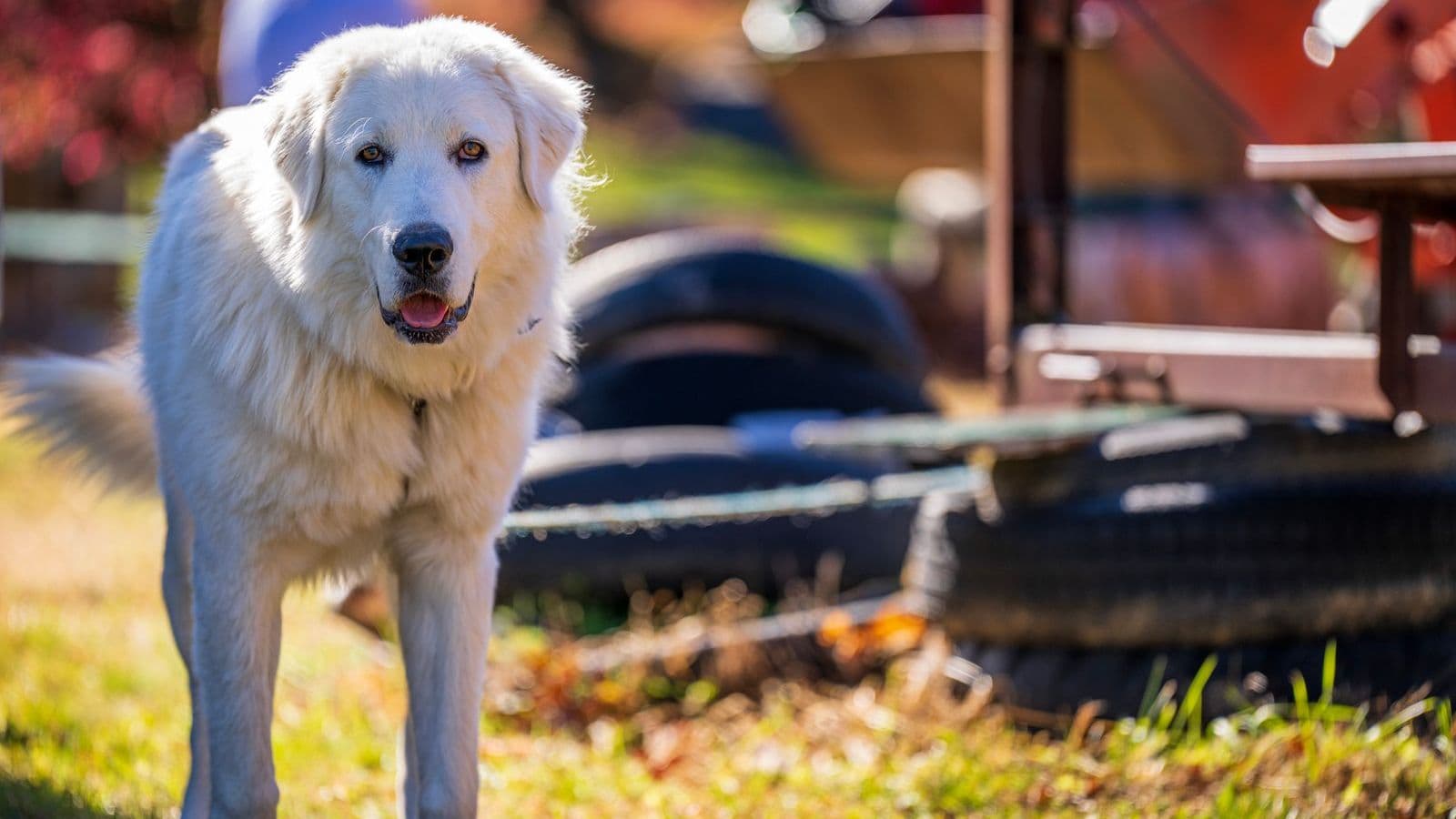
The Great Pyrenees is a livestock guardian dog bred for centuries to work independently in the mountains, patrol vast territory, and bark off predators through the night. It is calm and devoted, but its autonomy, roaming instinct, and genetic night-barking define it, and most problems come from expecting an obedience-breed companion. Treat it as the independent guardian it is and it thrives; fight its nature and you both struggle. Here are the six mistakes that cause the most trouble, and what to do instead.
1. Expecting obedience-breed compliance
LGDs were bred to make their own decisions, often working alone for days, and the Great Pyrenees evaluates every request and frequently decides it is not worth it. Owners expecting prompt obedience read this as defiance. This is by design, not stubbornness, so use high-value rewards, accept partial compliance, and adjust your expectations, because the breed will never be highly obedient.
2. Trying to eliminate the night barking
The Great Pyrenees was bred to bark through the night to warn off predators, and this nocturnal vocalizing is deeply genetic, not a behavior to be trained away. Owners who expect silence are in for a serious problem, especially in suburban homes. You can manage it with indoor sleeping, addressing triggers, and rewarding quiet, but you cannot eliminate it. See our barking guide.
3. Trusting off-leash and weak fencing
The strong roaming and patrolling instinct means the Great Pyrenees wanders, and reliable off-leash recall is genuinely unrealistic. Owners who trust open ground or a low fence lose the dog, and many Great Pyrenees are lost to roaming. Use secure, tall fencing and long lines, never rely on recall for safety, and treat solid containment as a non-negotiable part of owning this breed.
4. Harsh handling
The independent Great Pyrenees completely ignores or resents harshness, meeting corrections with indifference or resistance rather than compliance. Owners who try to dominate a guardian get nowhere. High-value reward-based training with realistic expectations is the only approach that earns cooperation, so lead with calm fairness, reward what you want, and never try to force an autonomous LGD.
5. Skipping socialization
Even a calm guardian breed needs heavy socialization to stay stable around strangers and other animals, and a Great Pyrenees that misses it can grow wary or reactive. Owners who assume the mellow nature needs no shaping are caught out. Socialize intensively during the critical window, introducing new people, dogs, and situations, so the adult guardian stays steady and discriminating.
6. Waiting to train the giant
At 85 to 115 or more pounds, a Great Pyrenees that never learned manners as a puppy is genuinely hard to manage as an adult. Owners who delay underestimate the grown dog. Install leash training and basic manners at eight weeks, while the dog is still manageable, and keep reinforcing them steadily as it grows into its full guardian size.
What works with the Great Pyrenees
Adjust expectations to the independent LGD, manage rather than fight the barking, use secure fencing and long lines, use high-value reward-based methods, socialize heavily, and train manners while the dog is young. The common thread is respecting an autonomous guardian: motivate rather than command, contain securely, and accept the night voice, and the Great Pyrenees is a calm, devoted, dignified guardian.
TailorPup's Great Pyrenees plan uses the high-value motivation an LGD needs, sets realistic expectations, treats off-leash as fenced-only, and helps manage the genetic barking.
Start your Great Pyrenees's plan at tailorpup.com →
Related: How to Train a Great Pyrenees · Barking Solutions · Recall Training