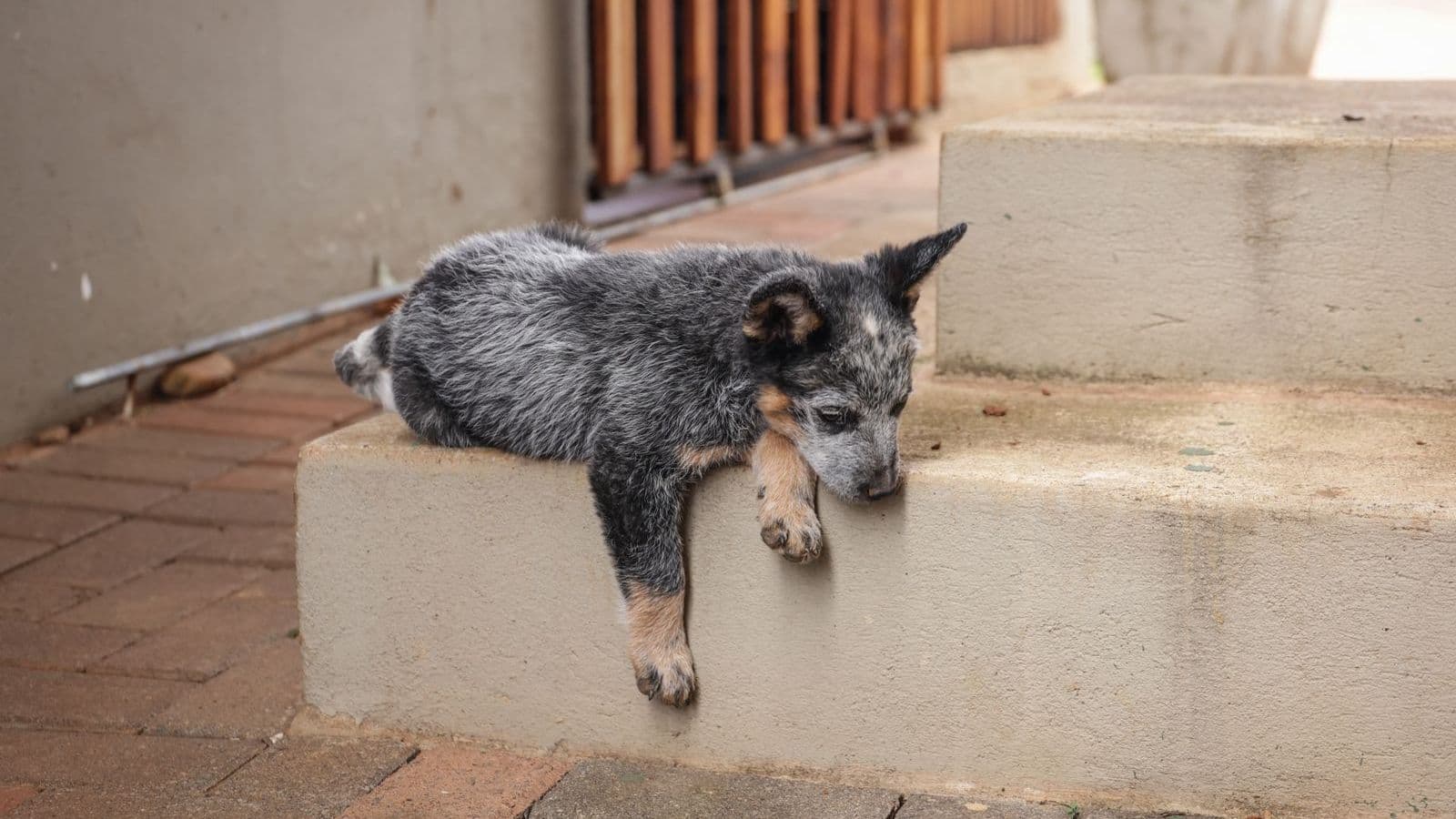
The Australian Cattle Dog, the Blue or Red Heeler, is one of the toughest, most driven working breeds on earth, bred to move stubborn cattle across the harsh Australian outback by force of will. It is brilliant, relentless, and genuinely the wrong dog for most homes. Nearly every Cattle Dog problem traces to underestimating the breed's drive and the lifestyle it demands. Here are the seven mistakes that cause the most trouble, and what to do instead.
1. Getting the breed without the lifestyle
This is the biggest mistake. Cattle Dogs need one to two or more hours of daily exercise, substantial mental work, and a real job, and most homes simply cannot provide it, which is why the breed fills rescues. Owners drawn to the looks underestimate the commitment. Be brutally honest about your lifestyle before acquiring one, because this is a hard-core working dog, not a casual pet.
2. Allowing heel-nipping
The breed was bred to nip cattle heels, and that drive turns toward running people, especially children, which is cute in a puppy and a real problem in an adult. Owners who let it slide reinforce it. Never reward nipping, redirect it to chase-and-tug games, and actively manage situations with running kids, so the herding instinct has an outlet that does not target the family.
3. Under-socializing
Cattle Dogs are naturally wary of strangers and bond intensely to their person, and without heavy early socialization this becomes reactivity and suspicion. Owners who assume the aloofness is harmless are caught out. Socialize hard during the critical window plus ongoing counter-conditioning, introducing new people and dogs positively, so the adult stays stable rather than suspicious. See our reactivity guide.
4. Insufficient exercise and mental work
One to two or more hours of vigorous exercise plus substantial mental work daily is the floor, and under-stimulated, the Cattle Dog becomes destructive and develops obsessive behaviors. Owners who provide only walks are overwhelmed. This is non-negotiable: provide both real physical activity and genuine brain work every day, and the same dog is settled rather than frantic and inventive.
5. Providing no job
The Cattle Dog needs purpose, and without herding, agility, advanced obedience, flyball, or scent work, the drive turns destructive. Owners who keep it as a pet with no role waste the breed's best quality. Provide a real outlet, give the relentless drive a structured place to go, and the same intensity that overwhelms an unprepared owner becomes a brilliant working partnership.
6. Harsh handling
Despite the toughness, the Cattle Dog responds best to reward-based methods, which also address the herding-drive root of most problems, while harsh methods worsen reactivity. Owners who try to crack down make things worse. Use reward-based training, make cooperation worthwhile, and lead with calm consistency, because force escalates a tough, drivey dog rather than settling it.
7. No off-switch training
The intense Cattle Dog struggles to settle without explicit place and settle training, staying wound up even when tired. Owners who only exercise the dog miss the calm half of the work. Build the off-switch deliberately, reward stillness, and teach the dog to relax when not working, so it can genuinely switch off rather than pacing the house.
What this looks like at home
The scene. The Cattle Dog follows you from room to room, nips at the heels of anyone who moves quickly, and herds the children across the garden. By evening it is still wired.
What to do instead. Give the herding instinct a clear outlet and a clear "off" switch. Play structured games like fetch and tug with start and stop cues, and teach a down-stay on a mat. When the nip comes, stand still, withdraw attention for a few seconds, and then redirect to a toy. Add a daily job: scent work, agility, puzzle feeders or a trick routine. Socialize early and calmly with strangers and other dogs, since this is a breed with a natural reserve.
What works with Cattle Dogs
For active, experienced owners: front-load socialization and nipping channeling, provide one to two or more hours of daily exercise, give the breed a job, use reward-based methods, and teach the off-switch. Then the Cattle Dog is a brilliant, loyal partner. For everyone else, the honest answer is to choose a different breed, because this drive overwhelms most homes.
TailorPup's Cattle Dog plan front-loads socialization and nipping channeling, schedules the substantial exercise the breed requires, and structures the daily job the breed needs.
Start your Cattle Dog's plan at tailorpup.com →
Related: How to Train an Australian Cattle Dog · Reactivity Training · Recall Training