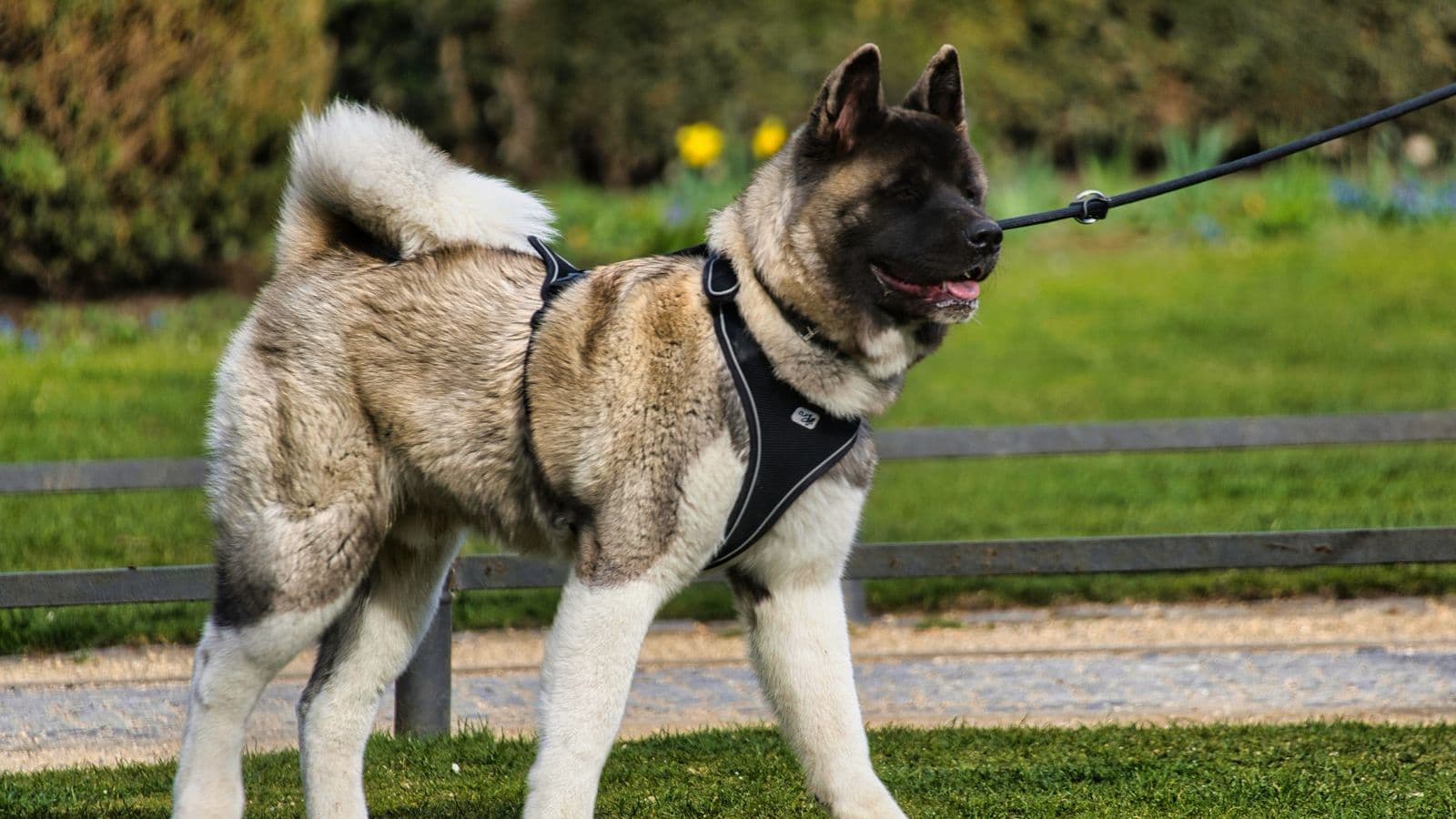
The American Akita is larger and more substantial than its Japanese cousin, a powerful, dignified guardian that carries the Akita type's independence and real dog-aggression, especially toward same-sex dogs. With a dog this size and temperament, the cost of a training mistake is high. Most problems come from delaying the foundations or misreading the breed. Here are the five mistakes that cause the most trouble, and what to do instead.
1. Delaying leash and size-management work
A 45 kg dog that pulls is genuinely dangerous, capable of pulling a handler off their feet, and the window to install manners closes as the puppy grows. Owners who wait miss it. Install loose-leash walking and foundation control while the Akita is still a manageable size, so the powerful adult already walks politely and responds under control.
2. Taking it to off-leash dog parks
The Akita type's dog-aggression, particularly toward same-sex dogs, makes off-leash dog parks genuinely inappropriate and risky. Owners who assume early puppy tolerance will last are caught out at maturity. Avoid dog parks entirely, socialize and exercise in controlled settings, and manage dog interactions carefully throughout the dog's life.
3. Harsh handling
The dignified Akita resents and resists harsh corrections, responding with stubbornness or defensiveness rather than compliance, which is serious in a dog this powerful. Owners who try to dominate it get the opposite of what they want. Respectful, calm, reward-based training builds genuine cooperation; the Akita works with a leader it respects.
4. Skipping socialization
The breed's natural guardian reserve needs early, thorough shaping, or it tips into reactivity and indiscriminate suspicion. Owners who under-socialize a guardian create a liability. Socialize broadly and positively during puppyhood and maintain it, so the reserve stays appropriate rather than reactive; with a guardian of this size and strength, a stable, well-socialized temperament is not optional.
5. Expecting eager compliance
The Akita is independent and self-possessed, not an eager-to-please working dog, and it cooperates through a respectful relationship rather than reflexive obedience. Owners expecting deference read the independence as defiance. Build a genuine working relationship with rewards and consistency, and the Akita's loyalty and reliability follow.
6. Skipping early socialization
American Akitas are powerful, loyal dogs that are often reserved with strangers and selective with other dogs. Without careful early exposure, reserve can turn into suspicion or reactivity. Introduce new people, surfaces, sounds and calm dogs gradually, at a distance that keeps the dog relaxed, and reward calm behavior. Keep encounters short and positive, and never force a greeting. Continue the effort through adolescence, when many dogs become more cautious.
7. Using force with a strong-willed dog
An Akita that is pushed or corrected harshly tends to push back or shut down. It is a big dog with strong opinions, and a physical battle is one you will not win safely. Use clear cues, rewards worth working for and short sessions. If the dog digs in, lower the difficulty and reward the smallest step. Calm consistency builds a cooperative dog far more reliably than pressure.
8. Trusting off-leash freedom around other dogs
Many Akitas are not keen on boisterous dog play, and an off-leash meeting can escalate quickly. Keep the dog on a lead in public, choose calm greetings with familiar dogs and teach a dependable recall in a secure area first. Learn to spot early signs of tension and calmly remove the dog from the situation.
9. Neglecting calm time and boundaries at home
A big, protective dog does best with clear, predictable routines. Teach a place or mat, reward quiet behavior at the door and around visitors, and manage the environment so the dog is not left guarding things. Structure is kinder than guesswork for both of you.
A realistic weekly routine
An Akita week includes daily walks, two or three short training sessions focused on calm behavior, recall and polite lead walking, regular controlled social exposure, and quiet time to relax. Keep boundaries consistent, supervise interactions with other dogs and children, and make training rewarding.
What works with American Akitas
Install leash and size-management work early, avoid dog parks and manage dog interactions, train respectfully with rewards, socialize broadly, and build cooperation rather than demanding deference. The common thread is respect plus early size-management: avoiding dog parks, installing leash manners before full size, thorough socialization, and calm reward-based handling are the foundation, because this large, dignified guardian is dog-selective and resists harshness. Earn cooperation through respect, and the American Akita is a deeply loyal protector.
TailorPup's American Akita plan front-loads size management and accounts for dog-selectivity and independence.
Start your American Akita's plan at tailorpup.com →
Related: How to Train an American Akita · Leash Pulling · Recall Training · Puppy Training Basics