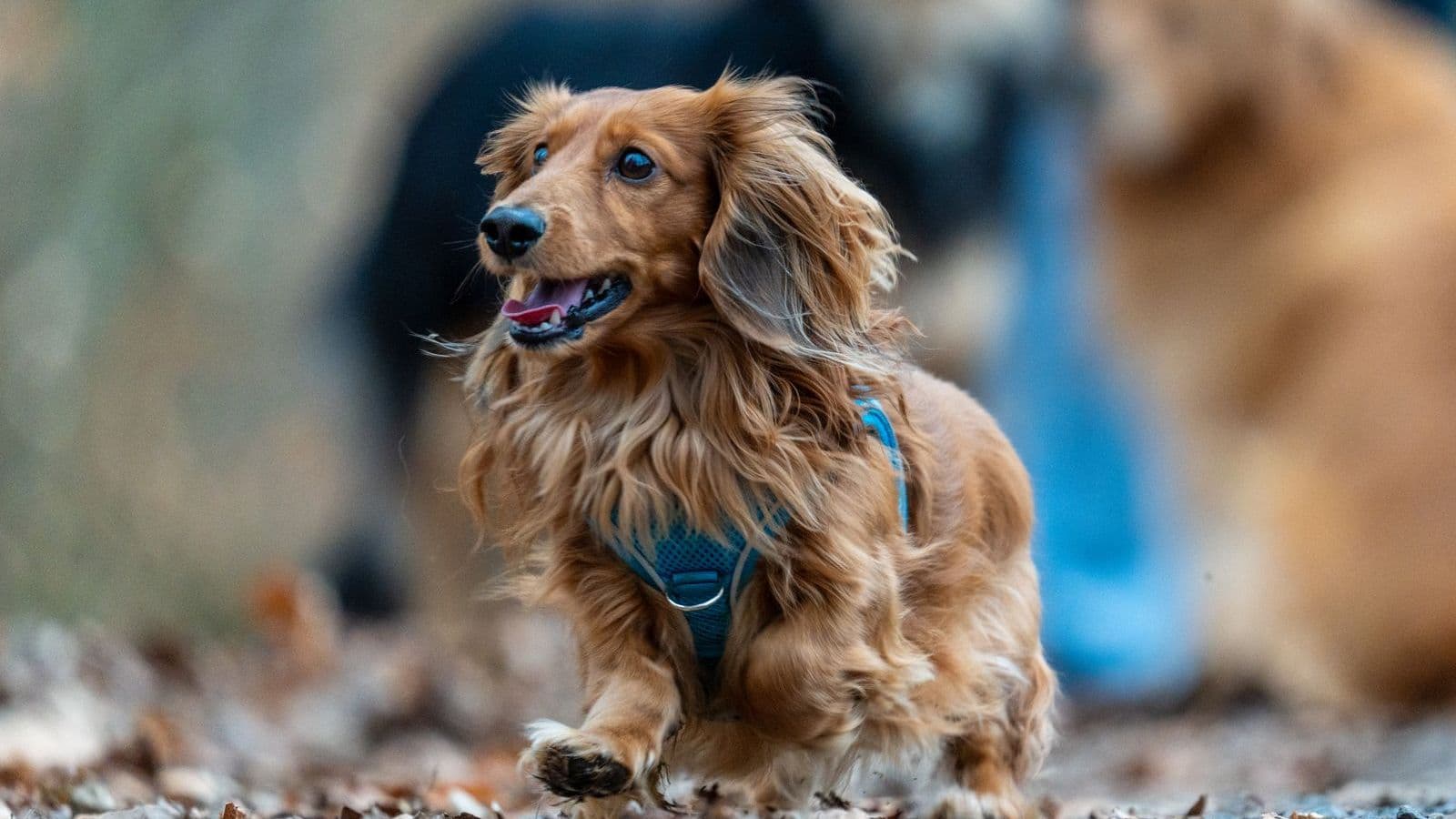
The Long-Haired Dachshund is one of the three coat varieties of Germany's iconic "badger dog," distinguished by a soft, flowing, feathered coat that gives it a more elegant, almost spaniel-like appearance than its smooth or wirehaired cousins. That gentler look is matched, in many individuals, by a gentler temperament: the long coat is widely believed to have come partly from spaniel crosses, and Long-Haired Dachshunds are often described as a touch softer, calmer, and more affectionate than the bolder smooth and the feistier wirehaired varieties.
Beneath the flowing coat, though, beats the heart of a true scent hound. Like all Dachshunds, the Long-Haired was bred to hunt, to follow scent, to go to ground after quarry, and to work with determination and independence underground. It carries the same long, low body, the same powerful nose, the same real prey drive, and the same characteristic stubbornness as the rest of the breed. The softer temperament makes it pleasant to live with, but it does not erase the hound.
For an owner, the Long-Haired Dachshund combines that scent-hound character with the breed's two defining considerations: the vulnerable long back and the demanding coat. The spine is genuinely prone to intervertebral disc disease (IVDD), making back care the top priority of ownership, while the long coat needs real grooming commitment.
Add a prey drive that complicates recall and a stubborn streak that makes potty training slow, and the picture is of a gentle, devoted, but genuinely houndy little dog that needs patient, consistent, back-conscious training. Given that, the Long-Haired Dachshund is one of the most charming and affectionate of the Dachshund varieties.
At a glance:
- Trainability: 6/10, gentler-tempered than other Dachshund varieties but still independent and stubborn.
- Biggest risk factor: IVDD from the long back, worsened by jumping from furniture or excess weight.
- Grooming: the feathered coat needs regular brushing to prevent matting on ears, chest, and legs.
- Example: a Long-Haired Dachshund that jumps repeatedly off furniture risks a serious spinal injury over time.
- Not for: owners unwilling to enforce back-safe habits or commit to regular coat brushing.
What Makes Training a Long-Haired Dachshund Different
1. Back care is the top priority. The long, low body carries a real risk of IVDD, so preventing jumping on and off furniture, using ramps, managing stairs, and keeping the dog lean are part of daily life from puppyhood. This matters more than any obedience cue.
2. A genuine scent-hound prey drive. The Long-Haired Dachshund was bred to hunt and has a real nose and prey drive. Recall near small moving animals or strong scent is a genuine project, and off-leash freedom belongs only in secure areas.
3. A softer temperament with terrier stubbornness. Often gentler and more affectionate than the other varieties, the Long-Haired is still a stubborn, independent hound. It responds especially well to gentle, reward-based handling, and house-training in particular takes patience.
4. A high-maintenance coat. The soft, feathered coat needs regular brushing to prevent matting, especially on the ears, chest, and legs, so handling should be conditioned gently from puppyhood.
Week-by-Week Training Plan for Your Long-Haired Dachshund
Weeks 1 and 2 : Foundation and Back-Safe Habits
Establish back-protecting habits and consistent rules from the start. Our puppy basics guide covers the mechanics.
- Prevent jumping on and off furniture; provide ramps or steps.
- Set household rules with no exceptions for the dog's small size.
- Pair short, gentle sessions with high-value food.
- Begin patient, consistent house-training on a strict schedule.
Weeks 3 and 4 : Core Commands
Sit, down, and stay come with patient, gentle reinforcement.
- Lure the behaviors and reward the instant they happen.
- Keep sessions short, varied, and rewarding for a softer, independent mind.
- Continue consistent house-training; expect it to take time.
Weeks 5 and 6 : Recall and Leash Work
Build recall against the prey drive and install leash manners.
- Train recall on a long line with the highest-value rewards before any off-leash freedom.
- Use a Y-harness and the stop-and-stand method for loose-leash walking.
- Reward focus on you when small animals or scent appear.
Weeks 7 and 8 : Back-Safe Exercise and Grooming
Provide back-conscious activity and build grooming tolerance.
- Offer moderate, low-impact exercise that spares the long back.
- Brush the feathered coat regularly, making it a calm, rewarded session.
- Reward calm, settled behavior.
Weeks 9 and 10 : Mental Work and Enrichment
Engage the scent-hound nose and gentle mind.
- Introduce nose work and scent games, which suit the breed perfectly.
- Provide a sanctioned digging spot to channel the burrowing instinct.
- Reward controlled, focused activity.
Weeks 11 and 12 : Advanced Skills and Proofing
Consolidate the foundations with ongoing challenge.
- Proof all cues, including recall, in mildly distracting settings.
- Maintain back-safe habits, grooming, and consistent rules as the dog matures.
- Establish a sustainable rhythm of gentle exercise, training, and care.
Common Long-Haired Dachshund Training Mistakes
Mistake 1 : Allowing jumping from heights. The long back carries serious IVDD risk. Prevent furniture-jumping, use ramps, and manage stairs.
Mistake 2 : Trusting off-leash near scent. The scent and prey drive override recall. Build it fully on a long line and use secure areas.
Mistake 3 : Impatient potty training. The breed is stubborn on potty. Stay patient and consistent with a strict schedule.
Mistake 4 : Neglecting coat conditioning. The feathered coat mats without regular brushing; condition handling early. Full breakdown : Long-Haired Dachshund training mistakes.
Frequently Asked Questions
Are Long-Haired Dachshunds easy to train ? The softer temperament makes them a touch easier than the bolder varieties, but they are still intelligent, stubborn, and independent, so they take patience and consistency. Gentle, reward-based training works well, while house-training in particular is famously slow and needs a strict, patient routine.
How much exercise does a Long-Haired Dachshund need ? Thirty to forty-five minutes of moderate, low-impact activity daily, plus mental work. The exercise should spare the long back, favoring walks and gentle play over jumping, and nose work is an ideal outlet for the scent-hound mind.
Are Long-Haired Dachshunds good apartment dogs ? Yes, their small size and moderate energy suit apartment living, with ramps to protect the back and a "quiet" cue to manage the surprisingly big bark. The breed's affectionate, people-oriented nature makes it a content companion in a smaller home.
Is the long coat high-maintenance ? Moderately. The soft, feathered coat needs brushing a few times a week to prevent matting, particularly on the ears, chest, and legs, plus occasional trimming. It sheds more than the smooth variety, so regular grooming is part of ownership.
Are Long-Haired Dachshunds good with children ? With gentle, respectful children, yes, the softer temperament suits family life. Children must be taught to support the long back correctly and never to let the dog jump from heights, since spinal injury is a real risk.
Do Long-Haired Dachshunds get along with other pets ? With socialization, generally yes with dogs, but the prey drive means caution around small pets such as rodents and rabbits, with managed introductions.
How long do Long-Haired Dachshunds live ? Typically twelve to sixteen years, a long-lived breed. The biggest factors in a comfortable old age are protecting the back from IVDD and keeping the dog lean, since excess weight dramatically increases spinal risk, alongside good dental and coat care.
Why TailorPup Was Built for Long-Haired Dachshunds
A generic plan ignores the Dachshund's IVDD risk and misreads its stubbornness, leaving the back unprotected and house-training a battle. TailorPup's Long-Haired Dachshund plan builds back-safe habits from day one, builds recall against the prey drive, and uses the gentle, patient, reward-based approach this softer-tempered scent hound responds to.
Daily 12-minute training sessions plus weekly adjustments. Plans from $9.99/month, no trial; annual starts at $2 for 7 days. Cancel anytime.
Related: Long-Haired Dachshund Training Mistakes · Recall Training · Puppy Training Basics