Understanding Your Dog's Body Language and Stress Signals
Dogs rarely go from "fine" to "aggressive" with no warning, they usually broadcast discomfort well before that point, through a set of subtle, well-documented body language signals most owners were never taught to read.
Written by the TailorPup team, updated October 2026. See our editorial approach.
In this article · 9 sections+
01
Why reading these signals matters
Recognizing early stress signals lets you intervene (add distance, remove the trigger, pause an interaction) before a dog feels forced to escalate to a growl or snap. A dog that growls isn't being aggressive out of nowhere, it's usually a dog whose quieter signals were missed or ignored, using the only tool left to communicate "stop."
02
Calming signals: the early, subtle warnings
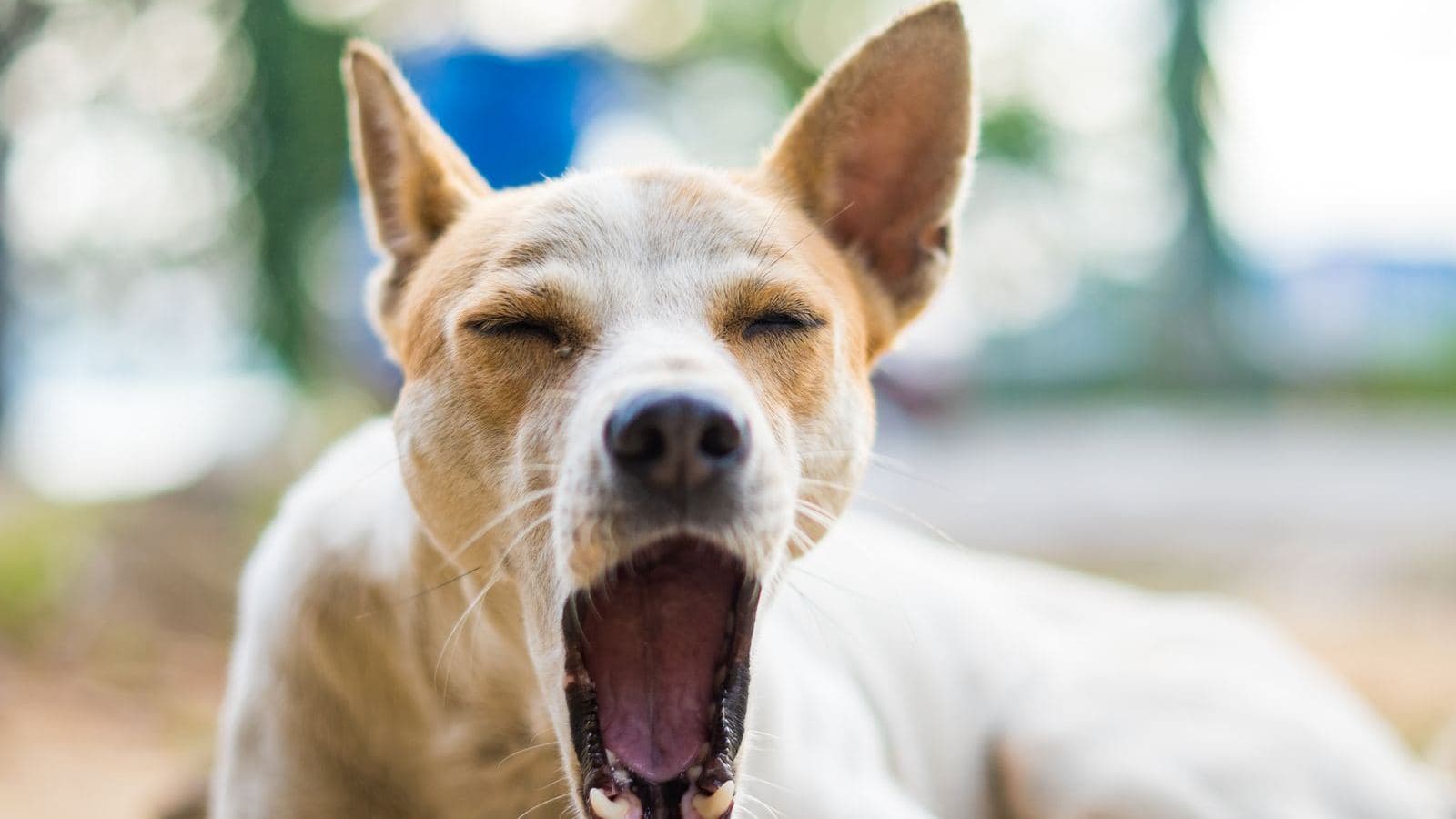
Lip licking (with no food nearby), yawning (when not tired), and turning the head or body away from something are common low-level stress or appeasement signals. A single instance in an odd context isn't automatically meaningful, but a dog showing several of these together, especially aimed at a specific person, dog, or situation, is communicating discomfort.
03
"Whale eye" and other visual cues
"Whale eye" is when the whites of a dog's eyes become visible at the corners, often paired with a stiff body and head turned away while the eyes stay locked on the trigger, a classic sign of tension, frequently seen around resource guarding or an uncomfortable interaction the dog can't easily escape.
A tucked tail, lowered body posture, and pinned-back ears generally indicate fear or submission. A stiff, raised tail with a rigid body can indicate alertness or arousal that could go either direction, play or conflict, context matters enormously here.
04
The freeze: an often-missed warning
A sudden freeze, the dog goes completely still, body rigid, is one of the most commonly missed warning signs because it looks like calm rather than distress. In context (during a hug, a vet exam, a interaction with an unfamiliar dog), a freeze is often the step immediately before a growl or snap and deserves the same response as a growl: back off and give space.
05
What to do when you see stress signals
Increase distance from whatever is causing the stress, don't force continued exposure. Avoid punishing a growl specifically, a growl is valuable communication, and suppressing it through punishment doesn't remove the underlying stress, it just removes the dog's warning system, which can mean less warning before a bite in the future. Address the root cause (build a positive association, reduce exposure, get professional help) rather than the symptom.
06
A quick field guide
Use this as a starting point, and remember that every dog is different.
- Relaxed: soft eyes, loose body, open mouth, wagging in wide sweeps.
- Mild stress: lip licking, yawning, turning the head away, slower movements.
- Moderate stress: panting without heat, wide eyes, ears back, tucked tail, pacing.
- High stress: freezing, stiff body, hard stare, raised hackles, growling.
07
What to do when you see the signs
The aim is to reduce pressure before the dog feels it has to escalate.
- Stay calm and avoid sudden movements.
- Increase the distance from whatever is causing stress.
- Let the dog move away if it wants to.
- Give it time to settle and offer a quiet activity.
EXAMPLE
A worked example: the hug that went wrong
A child hugged the family dog every day. The dog would stand still, turn its head away and lick its lips. The family read this as acceptance. In fact, it was an early stress signal. When a visitor's child did the same thing, the dog snapped.
Once the family learned the signs, they taught children to pet the dog on the side and to stop when it moved away. The dog's tension eased, and the risk of a bite dropped.
09
Common misreadings
These are easy to get wrong.
- A wagging tail does not always mean a happy dog.
- A frozen dog is not calm: it may be about to react.
- A guilty look is usually a reaction to your tone, not a sign of understanding what was wrong.
- Growling is a warning. Punishing it removes the warning, not the feeling.
FAQ
Common follow-ups.
Should I punish my dog for growling?+
No. A growl is important communication, not misbehavior. Punishing it can suppress the warning signal without addressing the underlying discomfort, which risks removing the warning stage before a future bite rather than preventing one.
My dog yawns a lot during training. Is that a problem?+
It can be a mild stress signal, especially if paired with lip licking or looking away. Consider whether the session is too long, too intense, or moving too fast, and adjust accordingly.
How do I tell the difference between play and real tension between two dogs?+
Play generally includes loose, bouncy body movement, role-reversal (chaser becomes chased), and voluntary pauses. Real tension shows stiffness, fixed staring, and one dog trying to disengage while the other persists. When in doubt, briefly interrupt and see if both dogs want to re-engage.
Why does my dog yawn when I train?+
Yawning can be a sign of mild stress, or simply tiredness. If it comes with other signs, shorten the session.
Should I stop my dog from growling?+
No. A growl is information. Remove the cause of stress and seek help if it happens often.
Glossary