Can Dogs Eat Yogurt? Plain and Sugar-Free of Xylitol
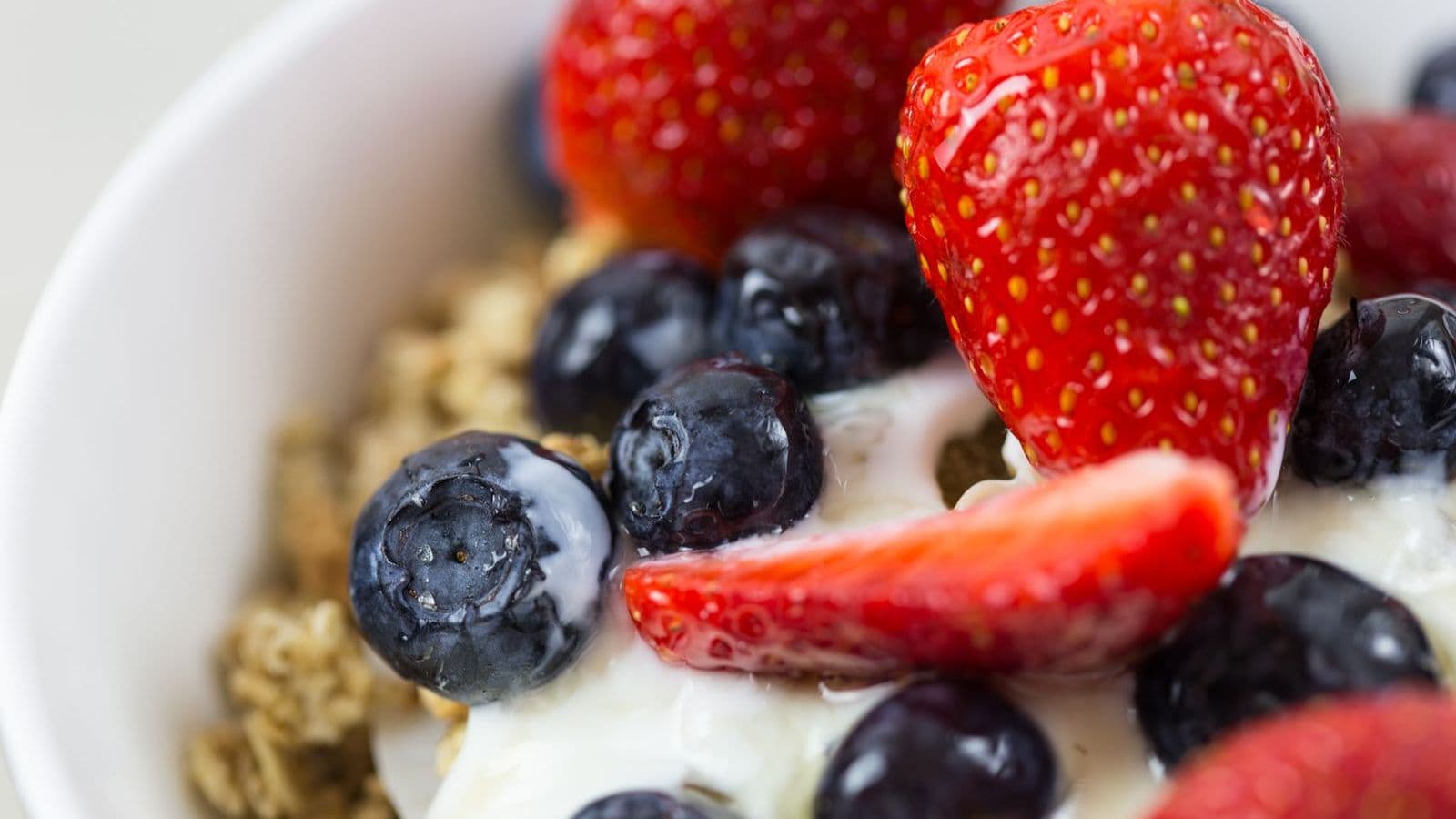
Plain yogurt is a common kitchen item that many dogs tolerate in small amounts. As a dairy product it can still upset some dogs, and flavoured or sweetened versions are a problem.
Written by the TailorPup team, updated October 2026. See our editorial approach.
In this article · 11 sections+
01
Plain yogurt
Plain yogurt contains less lactose than milk, but the ASPCA still notes that dairy can cause diarrhea in pets with little lactase. Offer a small spoonful and watch your dog.
02
Read the label
Sweetened yogurts contain a lot of sugar. Sugar-free products may contain xylitol, which the ASPCA says can cause low blood sugar and liver damage in dogs. Avoid any product with xylitol or other artificial sweeteners.
03
Frozen yogurt and toppings
Frozen yogurt may contain additives. Chocolate chips, raisins and nuts are harmful. Make your own frozen treats using plain yogurt and a little banana if you want a cool snack.
04
How much?
A spoonful for a small dog and two for a large dog. Extras like this should stay a small part of the day's food. A common vet guideline is that treats and extras make up no more than about 10 percent of daily calories. This article is general information, not veterinary advice. Dogs differ by size, age and health, so ask your veterinarian if your dog has a medical condition, is a puppy, or is on a special diet.
05
Greek yogurt and kefir
Plain Greek yogurt is thicker and often has less lactose, but it is also richer. Kefir contains live cultures, and its benefits for dogs are not well established. Ask your vet if you want to use them regularly.
06
Yogurt as a topper
A small spoonful of plain yogurt on food can encourage a picky eater, or be used to hide a supplement. Use it sparingly, and count the calories.
07
Signs of trouble
After yogurt, watch for gas, loose stools, vomiting or itching. If your dog is allergic to dairy, stop and call your vet.
08
Portions and dog size
A spoonful for a small dog and two or three for a large dog is plenty. Yogurt contains lactose and fat, so more can upset the stomach.
Use plain, unsweetened yogurt.
09
Common mistakes
Common mistakes include giving flavoured yogurts, sugar-free yogurts with xylitol, and yogurts with chocolate or fruit pieces. Another is giving yogurt as a replacement for meals.
If your dog ate a xylitol yogurt, call your vet.
10
Puppies, seniors and health conditions
Puppies and small dogs may be upset by dairy. Seniors with pancreatitis risk should avoid fatty dairy. Dogs with dairy allergies should avoid it.
If you are unsure, ask your vet.
11
Yogurt, kefir and probiotic claims
Plain yogurt is sometimes recommended as a source of probiotics, but the amount and type of live cultures vary from product to product, and the evidence that it helps dogs with digestive problems is limited. If your dog has a stomach problem, a vet can say whether a veterinary probiotic is appropriate, rather than guessing with a food.
Kefir is a fermented milk drink, and has similar considerations. It may be better tolerated by some dogs but still contains lactose and fat. Flavoured kefirs and sweetened yogurts add sugar, and sugar-free versions may contain xylitol, which the ASPCA lists as dangerous. If you want to try plain yogurt, give a small spoonful and wait a day to see how your dog reacts.
FAQ
Common follow-ups.
Can dogs eat Greek yogurt?+
Plain, in small amounts.
Is yogurt a probiotic for dogs?+
Ask your vet, since claims vary.
Can dogs eat vanilla yogurt?+
Better to avoid it because of sugar.
Can puppies eat yogurt?+
A spoonful of plain yogurt is usually fine.