Can Dogs Eat Peanuts? Plain and Unsalted Only
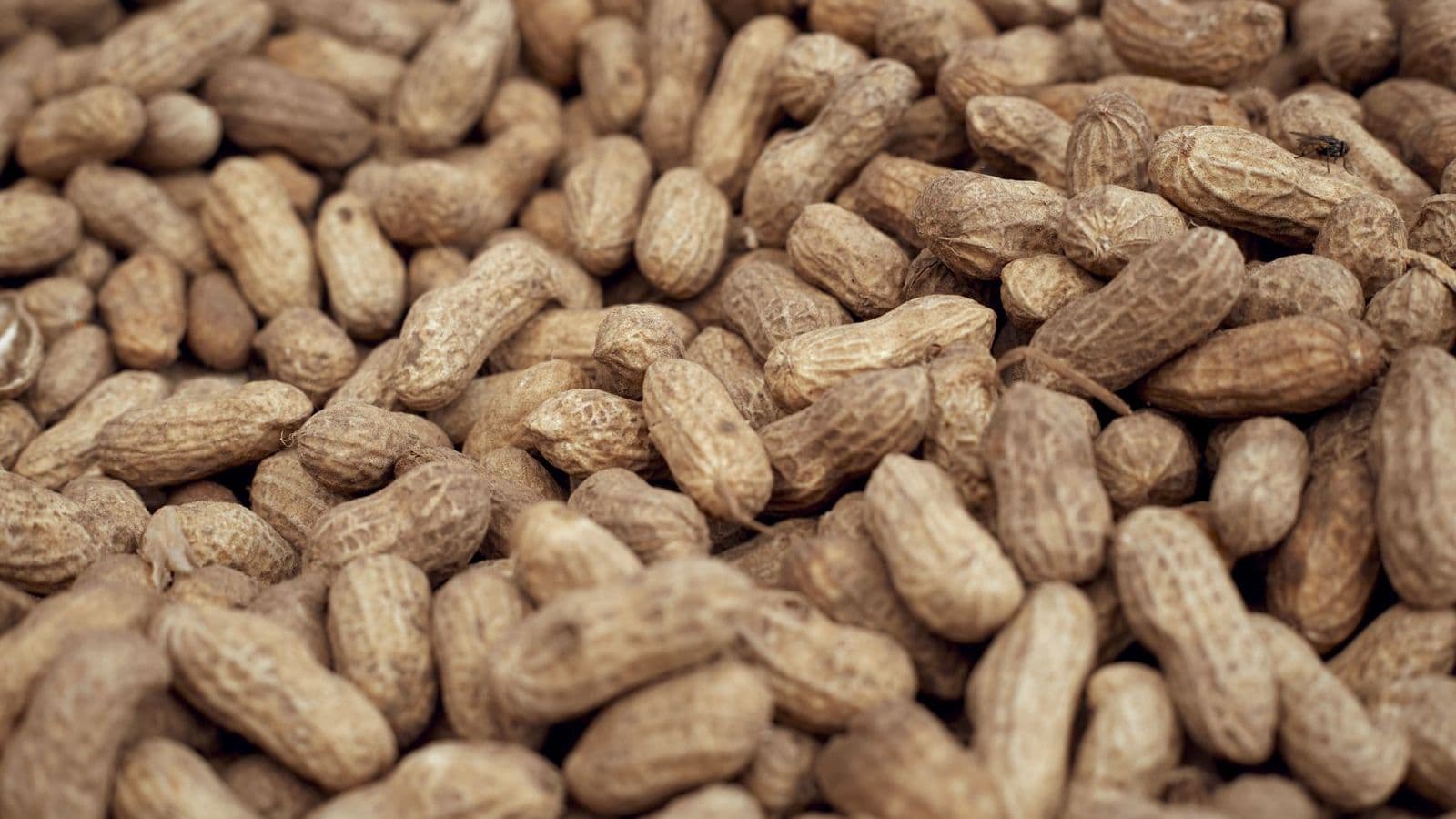
Plain peanuts are not considered toxic to dogs, but they are high in fat, and salted, roasted or flavoured nuts are a problem. Shells and choking add further reasons for care.
Written by the TailorPup team, updated October 2026. See our editorial approach.
In this article · 11 sections+
01
Fat and pancreatitis
The ASPCA explains that nuts such as almonds, pecans and walnuts are high in fats that can cause vomiting, diarrhea and potentially pancreatitis in dogs. Peanuts are technically legumes but are similarly fatty, so portion size matters.
02
Salt, coatings and shells
Salted and flavoured peanuts can contain excess salt, which the ASPCA says can cause problems. Honey-roasted and spiced varieties add sugar and sometimes onion or garlic powder. Shells are tough, and can cause stomach upset or blockage.
03
Choking
Whole peanuts are a choking risk for small dogs and gulpers. Chop them if you share them.
04
A better option
Plain xylitol-free peanut butter is easier to control. Extras like this should stay a small part of the day's food. A common vet guideline is that treats and extras make up no more than about 10 percent of daily calories. This article is general information, not veterinary advice. Dogs differ by size, age and health, so ask your veterinarian if your dog has a medical condition, is a puppy, or is on a special diet.
05
Peanut allergies and shells
True peanut allergies in dogs are uncommon but possible. Signs include itching, swelling, hives, vomiting and breathing trouble. Shells can scratch the gut or block it, so keep them away.
06
Peanuts versus peanut butter
Peanut butter is easier to portion and use. Check for xylitol, salt and added sugar. If you share whole peanuts, use unsalted and dry roasted, in tiny amounts.
07
If your dog ate many peanuts
A big bowl of peanuts can cause vomiting, diarrhea and pancreatitis in susceptible dogs. If they were salted or flavoured, salt and seasoning add risk. Call your vet if your dog shows signs or ate a large quantity.
08
Portions and dog size
For a large dog, two or three plain unsalted peanuts is the most, and one for a small dog. Peanuts are calorie dense, and a handful can be a big portion for a small dog.
Chop for small dogs.
09
Common mistakes
Common mistakes include giving salted, honey-roasted or flavoured peanuts, giving peanuts in the shell, and leaving a bowl of nuts within reach. Another is letting a dog finish a jar.
If your dog ate a lot, watch for vomiting, diarrhea and belly pain.
10
Puppies, seniors and health conditions
Puppies and small dogs can choke on whole nuts. Seniors with pancreatitis risk should avoid fatty foods. Dogs with nut allergies should avoid them.
If you are unsure, ask your vet.
11
Reading nut and snack labels
Many snacks marketed as peanut-flavoured contain more than peanuts: salt, sugar, oils, onion or garlic powder, chocolate, or xylitol. Roasted and honey-roasted peanuts are coated, and peanut brittle is pure sugar. The ASPCA warns about excess salt and about onion and garlic, so a label check is not optional.
If you want to share the taste, the simplest option is a small amount of plain xylitol-free peanut butter. If your dog eats a bag of snack peanuts, call your vet, especially if they were flavoured, since salt and seasonings can add to the problem. Keep nut bowls out of reach, and tell guests not to share snacks with your dog.
FAQ
Common follow-ups.
Can dogs eat peanut shells?+
Better not.
Can dogs be allergic to peanuts?+
Rarely, but it is possible.
Can puppies eat peanuts?+
Better to avoid whole nuts.
How many peanuts can a dog eat?+
A couple at most.