Can Dogs Eat Rice? Plain Cooked White or Brown
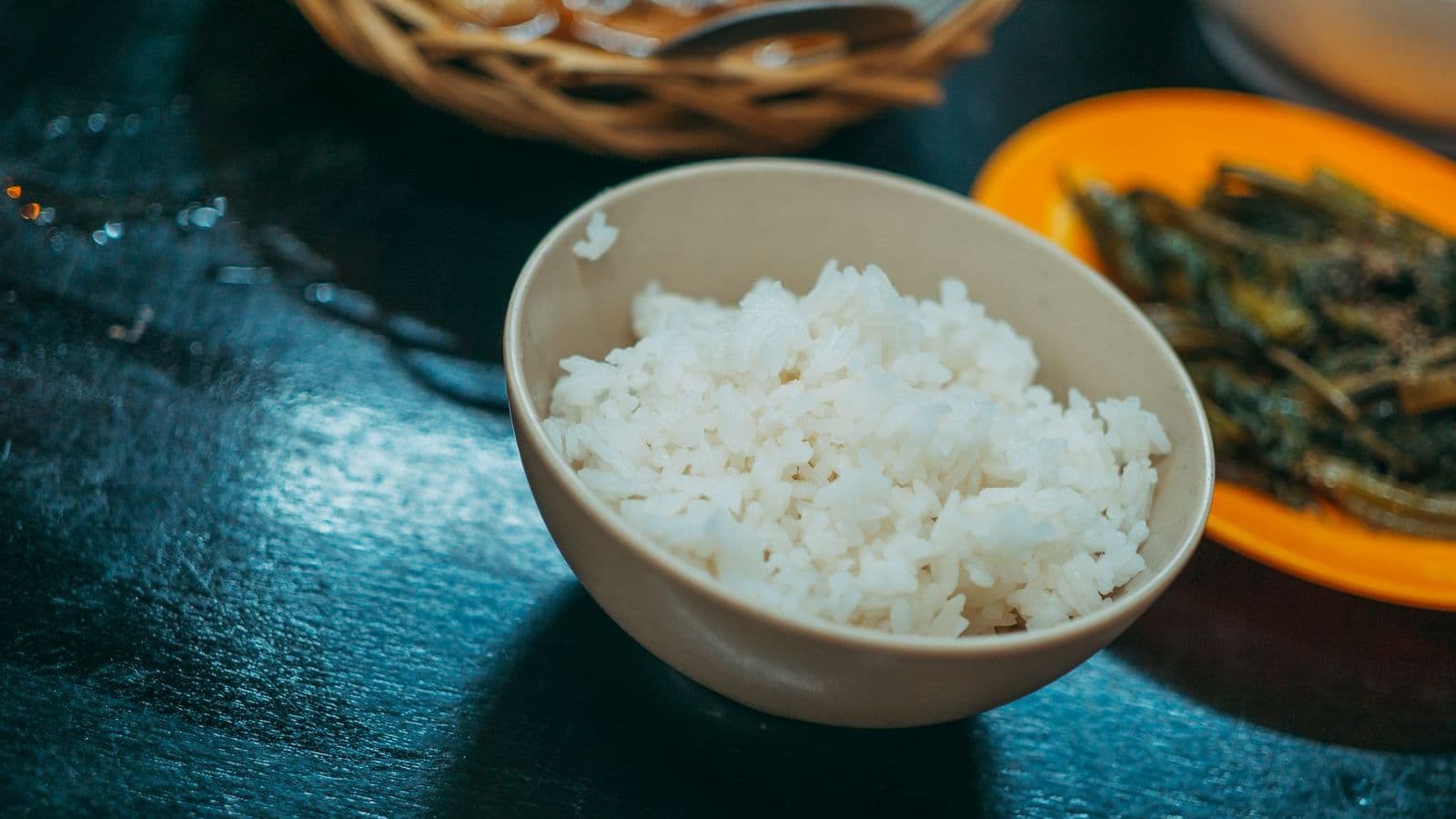
Plain cooked rice is one of the most common foods dogs share, and it is also a staple in many commercial dog foods. The key is preparation: plain, cooked, and in a sensible portion.
Written by the TailorPup team, updated October 2026. See our editorial approach.
In this article · 11 sections+
01
White or brown?
Both are fine for most dogs. White rice is gentler on the stomach. Brown rice has more fiber but can be harder to digest. Choose what your dog tolerates, and cook it thoroughly.
02
How to serve rice
Cook it in water without salt or oil, let it cool, and mix a small spoonful into your dog's meal or offer it alone.
- Cook thoroughly.
- No salt, butter or seasoning.
- Cool before serving.
- Start with a spoonful.
03
For an upset stomach
Vets sometimes recommend a short period of plain rice with boiled chicken for mild stomach upset. This is not a treatment, and it should not be used for long periods. Call your vet if your dog has repeated vomiting, diarrhea, blood, or lethargy.
04
What to avoid
Skip fried rice, risotto, rice with sauce and takeaway rice, which often contain onion, garlic, salt and oil. Extras like this should stay a small part of the day's food. A common vet guideline is that treats and extras make up no more than about 10 percent of daily calories. This article is general information, not veterinary advice. Dogs differ by size, age and health, so ask your veterinarian if your dog has a medical condition, is a puppy, or is on a special diet.
05
Bland diets, with caution
Vets sometimes recommend plain boiled rice with boiled chicken for a short period when a dog has mild digestive upset. Ask your vet first, because vomiting and diarrhea can have serious causes, and a bland diet is not a long-term plan.
06
Rice in commercial food
Rice is a common ingredient in dog foods. If your dog eats a complete diet, extra rice is not needed. Adding a lot can unbalance meals and add calories.
07
Flavoured and takeaway rice
Fried rice, rice with sauce and takeaway dishes often contain onion, garlic, oil and salt. The ASPCA lists onion and garlic as harmful. Do not share them.
08
Portions and dog size
A small spoonful to a few spoonfuls mixed with food is typical for dogs. Rice is mostly carbohydrate, so too much can add weight. For small dogs, a teaspoon is enough.
If your dog is on a diet, adjust other food to make room.
09
Common mistakes
Common mistakes include giving seasoned rice, relying on rice and chicken for too long, and assuming rice cures diarrhea. Another is giving undercooked rice.
If diarrhea lasts more than a day or two, call your vet instead of continuing a bland diet.
10
Puppies, seniors and health conditions
Puppies with diarrhea should see a vet quickly, since they can dehydrate fast. Seniors with diabetes should have rice only with vet advice. Dogs with allergies should check ingredients.
If your dog has any condition, ask your vet.
11
Rice and complete dog food
Most complete dog foods already contain carbohydrates, often including rice. If your dog eats one of these diets, extra rice is not necessary, and it can unbalance the meal if added in large amounts. A spoonful as a topper is not a problem for most dogs, but it adds calories.
If your dog has a stomach upset that lasts more than a day, or includes blood, repeated vomiting or lethargy, call your vet. A bland diet is only a short-term measure for mild cases, and it is not a complete diet. Puppies, small dogs and older dogs can become unwell more quickly, so do not wait if they seem unwell.
FAQ
Common follow-ups.
Can dogs eat rice every day?+
It is not necessary, and a balanced diet matters.
Can dogs eat raw rice?+
No, cook it.
Can puppies eat rice?+
Plain cooked rice in small amounts is usually fine.
Can dogs eat rice cakes?+
Plain, in tiny pieces.