Can Dogs Eat Shrimp? Prep Rules and Allergies
Plain cooked shrimp can be an occasional treat for dogs. The shell, tail and vein should be removed, and shrimp dishes often come with garlic, butter and seasoning that are not suitable.
Written by the TailorPup team, updated October 2026. See our editorial approach.
In this article · 11 sections+
01
Why shrimp needs care
Shellfish can carry bacteria if raw or undercooked, and the ASPCA warns about raw meat and seafood contamination. Shells and tails can be a choking risk or cause stomach trouble, so remove them. Shrimp are also naturally salty.
02
How to prepare shrimp
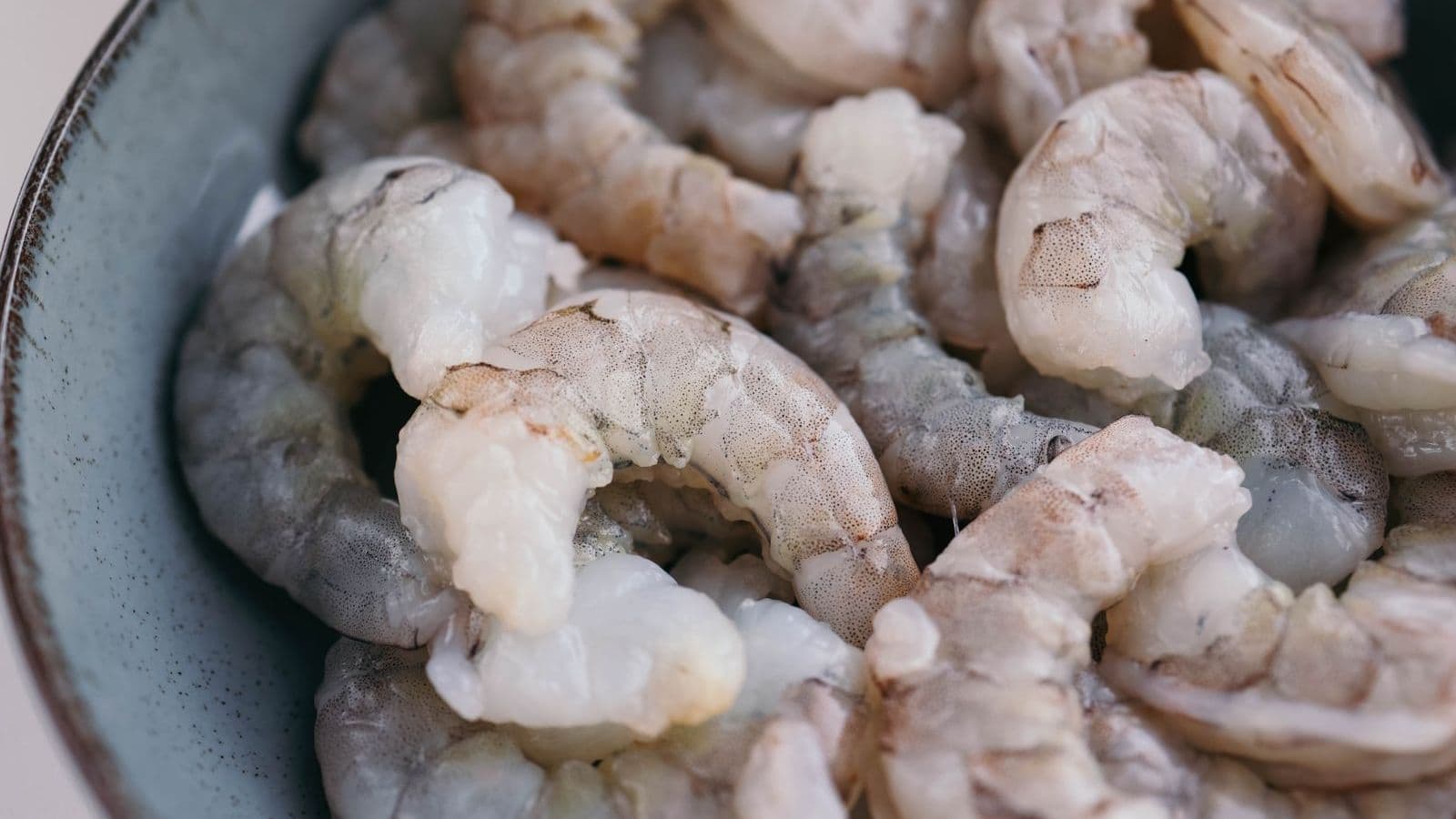
Cook it thoroughly in plain water or steam. Remove the shell, tail and vein, let it cool, and cut into small pieces.
- Cook thoroughly.
- Peel and devein.
- Cool and chop.
- Offer one small piece first.
03
Dishes to avoid
Garlic shrimp, shrimp scampi, fried shrimp and cocktail shrimp are not suitable. The ASPCA lists onion and garlic as harmful to dogs, and breading and oil add fat and salt.
04
Allergies and portions
Some dogs react to shellfish, so watch for vomiting, itching or swelling after the first try. Extras like this should stay a small part of the day's food. A common vet guideline is that treats and extras make up no more than about 10 percent of daily calories. This article is general information, not veterinary advice. Dogs differ by size, age and health, so ask your veterinarian if your dog has a medical condition, is a puppy, or is on a special diet.
05
Shrimp and your dog's diet
Shrimp is a lean protein. It is also naturally salty and can carry contaminants if raw or poorly handled. A piece or two as an occasional treat is plenty. Dogs with food allergies, kidney problems, or on prescription diets should not have it unless a vet agrees.
06
Shells, tails and the vein
Shells and tails are tough and can cause choking or irritation, or even a blockage. Remove them, and take out the dark vein. Never give raw shrimp.
07
Signs of a problem
After shrimp, watch for vomiting, diarrhea, itching, swelling of the face or hives. These can point to a food allergy or an upset stomach. If your dog has trouble breathing or swelling around the face, treat it as an emergency.
08
Portions and dog size
One or two small shrimp is a fine portion for a large dog, and half of one for a small dog. Shrimp are low in calories but can be salty, and too many can cause stomach upset. Cut them small.
Choose plain cooked shrimp, and serve as an occasional treat.
09
Common mistakes
Common mistakes include giving shells and tails, serving shrimp with garlic butter or sauce, and offering fried shrimp. Another is giving raw or undercooked shrimp, which may carry bacteria.
If your dog swallowed a shell or tail and starts vomiting or acting uncomfortable, call your vet.
10
Puppies, seniors and health conditions
Puppies can try a small piece, but watch for allergic signs. Seniors with kidney problems or on special diets should check with their vet. Dogs with shellfish allergies should avoid it entirely.
If your dog develops hives, itching, swelling of the face or breathing trouble, treat it as an emergency.
11
Seafood compared
Not all seafood is alike for dogs. Cooked, plain white fish and shrimp can be fine in small amounts, while raw fish carries risks of bacteria and parasites. Shellfish such as mussels and oysters can be contaminated, and shells are a hazard. Smoked and cured fish are very salty.
Seafood dishes made for people often contain garlic, onion, butter, sauces and seasoning. The ASPCA lists onion and garlic as harmful and warns about salt. Keep any seafood you share plain, cooked, boneless and in small pieces, and skip it altogether if your dog has had seafood allergies or a sensitive stomach.
FAQ
Common follow-ups.
Can dogs eat shrimp shells?+
Better not.
Can dogs eat raw shrimp?+
No, cook it.
Can dogs eat shrimp tails?+
Remove them.
How many shrimp can a dog eat?+
One or two small ones is plenty.