Can Dogs Eat Bacon? Why It Is a Poor Choice
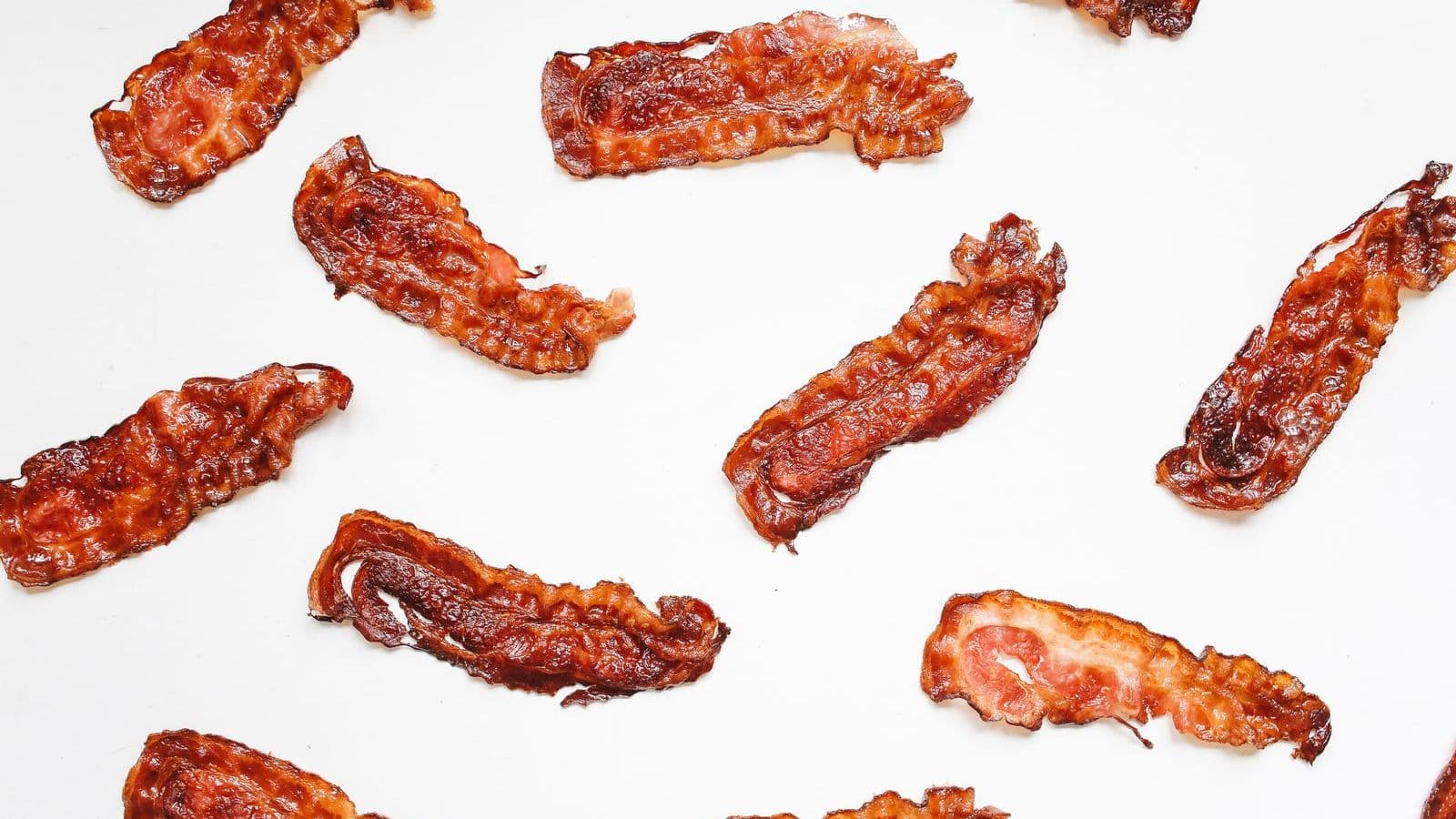
Bacon smells irresistible, but it is a poor treat. It is high in fat and salt, and regular bacon can contribute to stomach upset and, in some dogs, pancreatitis. A tiny scrap will not harm most dogs, but there are better rewards.
Written by the TailorPup team, updated October 2026. See our editorial approach.
In this article · 11 sections+
01
Why bacon is a problem
Bacon is cured with salt and is very fatty. The ASPCA warns that too much salt can cause excessive thirst and urination and, in severe cases, tremors or seizures. Fat-rich foods can also upset the stomach and may trigger pancreatitis, which is painful and can be serious.
02
What if your dog ate some?
A small piece usually causes no more than an upset stomach in a healthy dog. A large amount, especially a whole pack or grease, needs a call to the vet. Watch for repeated vomiting, diarrhea, a hunched posture, or loss of appetite.
03
Better alternatives
For a savory reward, use small pieces of cooked, plain chicken or a commercial training treat. Bacon bits and flavoured treats can be high in salt.
- Plain cooked chicken in small pieces.
- Commercial training treats.
- Small pieces of plain cooked egg.
04
Special cases
Dogs with pancreatitis, obesity, or heart or kidney problems should avoid bacon entirely. If your dog may have eaten something harmful, call your veterinarian, the ASPCA Animal Poison Control Center at (888) 426-4435, or Pet Poison Helpline at (855) 764-7661 straight away. A consultation fee may apply, and it is far cheaper than waiting. This article is general information, not veterinary advice. Dogs differ by size, age and health, so ask your veterinarian if your dog has a medical condition, is a puppy, or is on a special diet.
05
Pancreatitis and fatty foods
Pancreatitis is an inflammation of the pancreas that can be triggered by a fatty meal. Signs include repeated vomiting, abdominal pain, a hunched posture, diarrhea, lethargy and loss of appetite. It can be serious and needs a vet. Bacon and its grease are common triggers around holidays and barbecues.
06
Salt poisoning
The ASPCA lists excess salt as a risk, with signs of thirst, urination, vomiting, diarrhea, depression, tremors and seizures in severe cases. A small piece of bacon is unlikely to cause this, but a whole pack can. Call your vet if your dog ate a lot.
07
Bacon bits and flavoured treats
Bacon-flavoured dog treats are made for dogs, but still count their calories. Human bacon bits and breakfast items such as bacon-wrapped foods may contain onion, garlic and sugar. Keep them away.
08
Portions and dog size
If you decide to share, a tiny crumb is the most for any dog, and none is better for small dogs and those with weight or pancreatic problems. A single strip contains a lot of salt and fat for a small body.
Cooked bacon is better than raw, but neither is a good routine treat.
09
Common mistakes
Common mistakes include sharing bacon grease on food, giving a whole strip as a reward, and leaving a plate of breakfast where the dog can reach it. Another is believing that because dogs love it, it must be fine.
If your dog ate a lot, offer water, and call your vet if vomiting, diarrhea or belly pain follow.
10
Puppies, seniors and health conditions
Puppies and small dogs can be upset by even small amounts of fat. Seniors with heart or kidney problems should avoid salty foods. Dogs with a history of pancreatitis should never have bacon.
If you are unsure, ask your vet.
11
Breakfast table safety
Breakfast can be a minefield: bacon and sausage, eggs with butter, toast with jam, and coffee. Dogs learn quickly that the kitchen at breakfast means food. If you cook bacon, keep the pan and the plate out of reach, and do not leave a full plate on a low table.
Teach your dog to settle on a mat during meals, and reward it there with a plain treat. This avoids begging and counter-surfing. If your dog does steal food, note what it ate and call your vet if it was large, salty or fatty.
FAQ
Common follow-ups.
Can dogs eat bacon grease?+
No, it is very fatty and salty.
Can dogs eat turkey bacon?+
It is also salty and fatty, so better to avoid.
Is cooked bacon safer than raw?+
Cooked is better than raw, but both are poor choices.
What if my dog ate a lot of bacon?+
Call your vet.
Glossary