Can Dogs Eat Almonds? Why Vets Say No
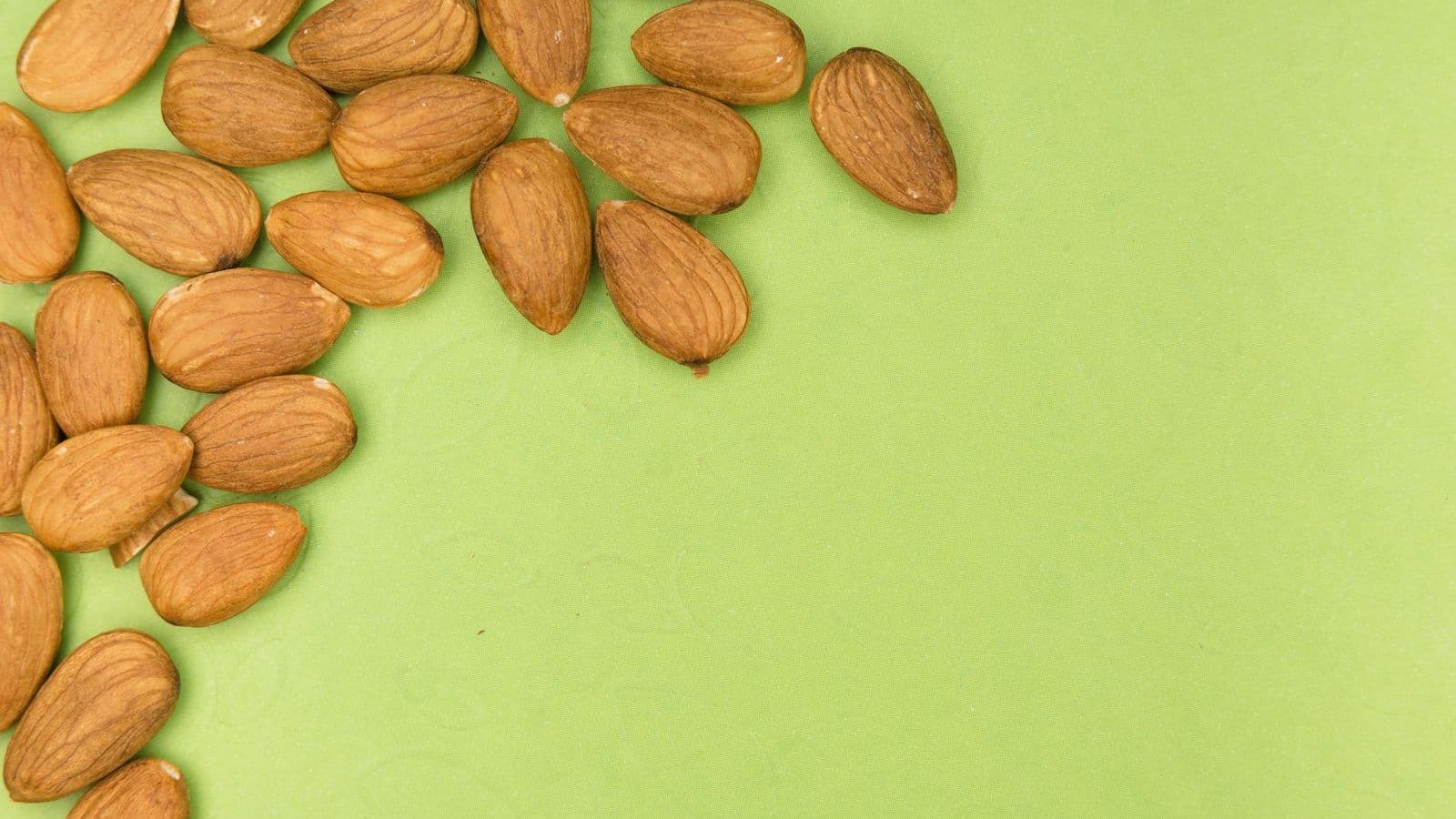
Almonds are not on the main toxic lists for dogs, but they are a poor choice. They are hard to digest, high in fat, and can cause choking or a blockage, particularly in small dogs.
Written by the TailorPup team, updated October 2026. See our editorial approach.
In this article · 11 sections+
01
Why almonds are a problem
The ASPCA says nuts such as almonds are high in fats that can cause vomiting and diarrhea, and potentially pancreatitis. The nuts are also hard and can lodge in the throat or gut.
02
Flavoured almonds
Salted, smoked, honey-roasted and spiced almonds add salt and seasonings. Chocolate-covered almonds contain chocolate, which is dangerous for dogs, and some coatings contain xylitol.
03
Almond milk and butter
Plain unsweetened almond milk is not toxic in small amounts, but there is no reason to share it. Almond butter is similar to peanut butter, so check for xylitol.
04
If your dog ate almonds
A few almonds usually cause only mild upset, but call your vet if your dog ate many, or if they were flavoured or covered in chocolate. If your dog may have eaten something harmful, call your veterinarian, the ASPCA Animal Poison Control Center at (888) 426-4435, or Pet Poison Helpline at (855) 764-7661 straight away. A consultation fee may apply, and it is far cheaper than waiting. This article is general information, not veterinary advice. Dogs differ by size, age and health, so ask your veterinarian if your dog has a medical condition, is a puppy, or is on a special diet.
05
Choking and blockage
Whole almonds are hard, and small dogs can choke or develop a blockage. Signs of blockage include repeated vomiting, loss of appetite, belly pain and no stools. Call your vet if you see them.
06
Almond products in the home
Almond flour, marzipan and almond-flavoured baked goods may contain sugar, xylitol or other ingredients. Check labels and keep them away.
07
What to do if your dog ate a handful
A handful of plain almonds usually causes stomach upset. Watch for vomiting, diarrhea and abdominal pain. If your dog is small, ate flavoured or chocolate-covered almonds, or shows signs, call your vet.
08
Portions and dog size
If a dog swallows one almond, it is not usually an emergency. For small dogs, even a few can be a problem because of fat and choking. It is better not to give them.
Never offer a handful.
09
Common mistakes
Common mistakes include giving flavoured or chocolate-covered almonds, leaving nut bowls on the table, and assuming that because almonds are healthy for people, they are for dogs.
If your dog ate many almonds, call your vet.
10
Puppies, seniors and health conditions
Puppies and small dogs are at higher risk of choking or blockage. Seniors and dogs prone to pancreatitis should avoid them. Dogs with nut allergies should avoid them.
If your dog has a health condition, ask your vet.
11
Nut allergies and reading the signs
Dogs can have food allergies or intolerances, and nuts are one possible cause. Signs include itching, hives, swelling of the face, vomiting, diarrhea and ear problems. These can also have many other causes, so only a vet can sort them out.
If you see swelling of the face, trouble breathing, or collapse after your dog has eaten something, treat it as an emergency. For milder signs, note what your dog ate and when, and take the details to your vet. Avoiding nuts altogether is the easiest route, and there are better treats for most dogs.
FAQ
Common follow-ups.
Can dogs eat almond butter?+
In tiny amounts, if xylitol-free.
Can dogs eat almond milk?+
A lick is unlikely to harm, but it is not needed.
Are almonds toxic to dogs?+
Not in the classic sense, but they are not recommended.
What if my dog ate an almond?+
Watch for stomach upset.