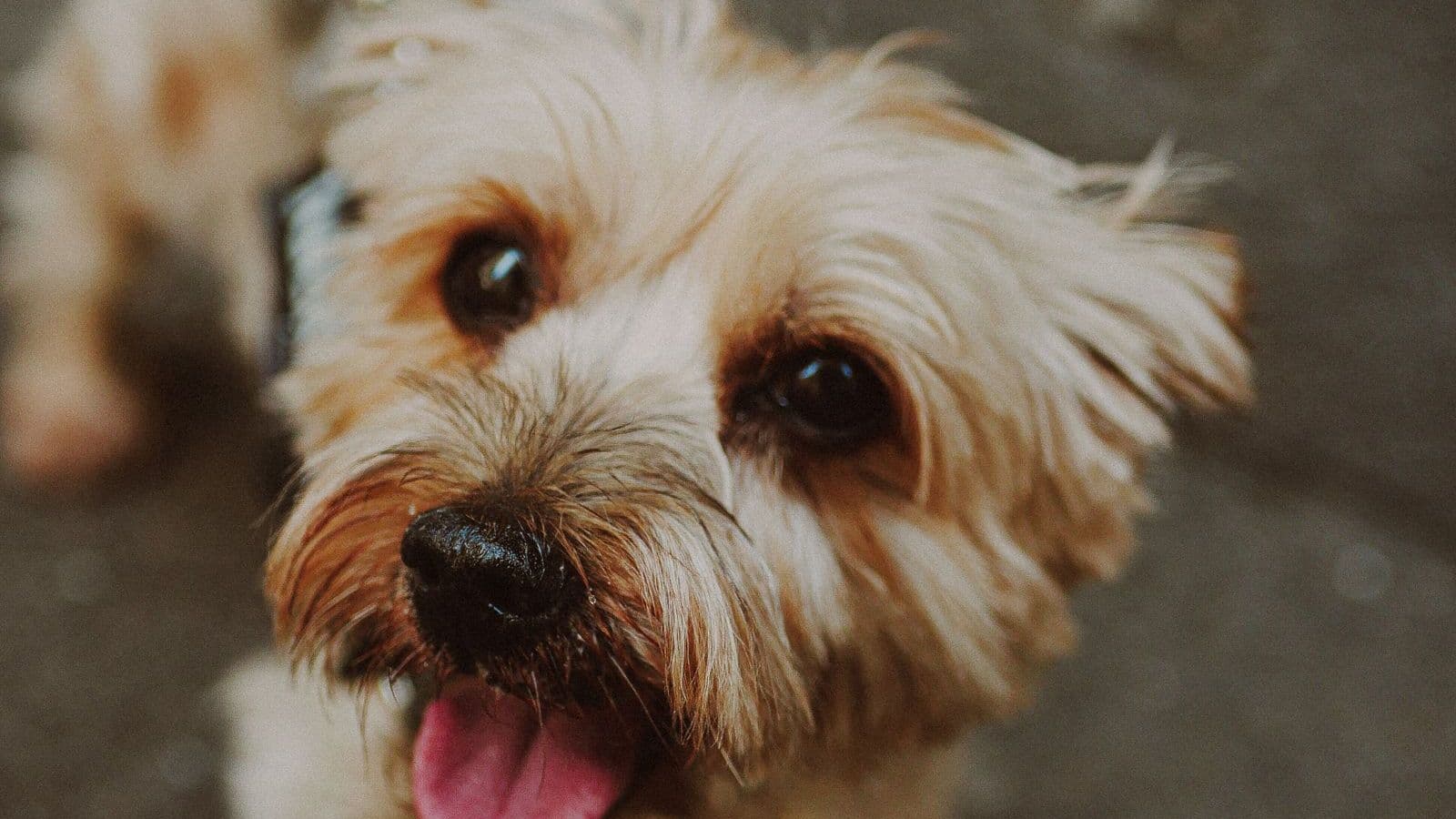
The Norfolk Terrier is one of the smallest of the working terriers, but it is hardy, bold, and genuinely prey-driven, bred to bolt vermin and run with packs. Owners charmed by the small size and friendly face routinely forget that a real working terrier lives inside, and that disconnect is where almost every training problem begins. Treat it as a fragile lapdog and you get a yappy, demanding one; treat it as the capable little hunter it is and it thrives. Here are the five mistakes that cause the most trouble, and what to do instead.
1. Trusting it off-leash near prey
The Norfolk's terrier prey drive overrides recall, and the moment a squirrel or cat moves it commits to the chase and stops hearing you. Owners lulled by the agreeable nature let the dog loose and lose it near a road. Build recall patiently on a long line with high-value rewards, proof it against distractions, and reserve real off-leash freedom for securely fenced areas.
2. Making size-based exceptions
Because the Norfolk is small, owners let it break rules they would never allow from a big dog, and small-dog syndrome develops fast. The inconsistency creates the demanding, pushy behavior. Treat the Norfolk like a real dog with real rules, applied the same way by everyone, every time, and the breed settles into the structure rather than ruling the household.
3. Under-exercising the dog
Despite its size, the working Norfolk needs genuine daily exercise and mental work, and a bored one digs, barks, and finds its own mischief. Owners who assume a tiny dog needs almost nothing are caught out. Provide proper walks, games, and short training sessions every day, and the hardy energy turns into a settled, cheerful companion rather than a restless nuisance.
4. Allowing alert barking to set in
The Norfolk's terrier alertness hardens into habitual barking if it goes unmanaged, and owners who find the early yapping harmless end up with a dog that announces everything. The habit forms quickly. Install a "quiet" cue early, reward calm responses to triggers, and manage the dog's environment, so the watchfulness stays useful rather than constant.
5. Harsh handling
The bold little Norfolk responds to rewards, not pressure, and harsh corrections make it stubborn or anxious rather than compliant. Owners who try to crack down on a small dog meet terrier resistance. Use reward-based training, pay in food the dog values, follow through calmly and consistently, and the food-motivated Norfolk works with you eagerly.
What works with Norfolk Terriers
Build recall against the prey drive, hold consistent rules, exercise the dog well, manage barking early, and train with rewards. The common thread is treating a tiny dog as the real working terrier it is: consistent rules prevent small-dog syndrome, recall manages the prey drive, and genuine exercise satisfies the hardy energy. Skip those because the dog is small, and you get a demanding, yappy companion; provide them, and you get a sturdy, charming one.
TailorPup's Norfolk Terrier plan treats the breed as the real working terrier it is, with recall and consistency.
Start your Norfolk Terrier's plan at tailorpup.com →
Related: How to Train a Norfolk Terrier · Recall Training · Puppy Training Basics