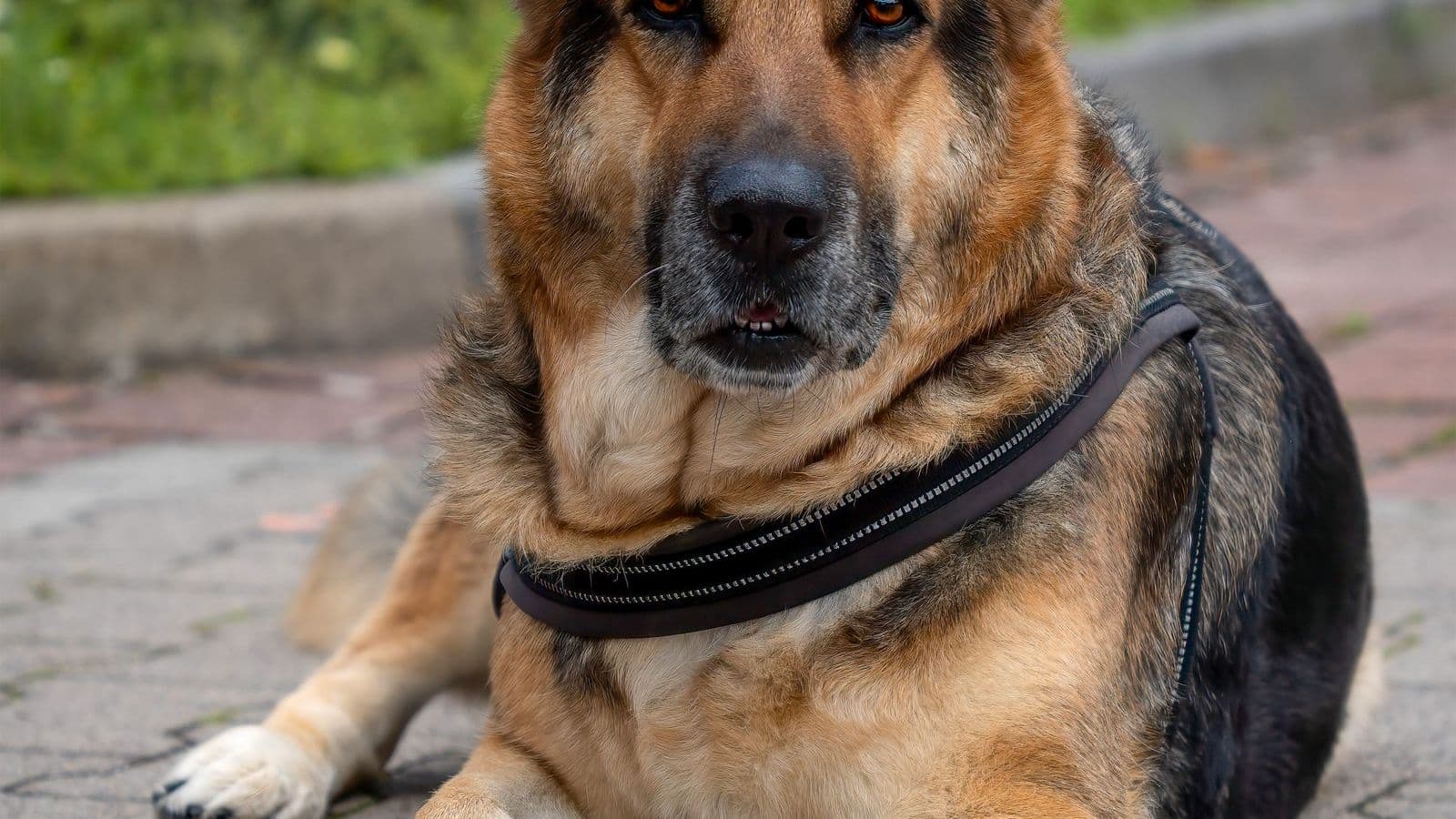
A German Shepherd raised badly is a dangerous problem for everyone, the owner, the neighbors, and the dog. A German Shepherd raised well is one of the most capable, devoted, and useful companions any human can have. The difference between those two outcomes is almost entirely the first 18 months of training.
These are the 10 mistakes that consistently produce the bad outcome, and what professional Shepherd trainers do instead.
1. Under-socializing before 16 weeks
The critical socialization window in dogs closes at 16 weeks. After that, the brain's capacity to form positive associations with novel things drops dramatically. For German Shepherds, this matters more than for almost any other breed because of their genetic tendency toward vigilance.
A Shepherd not exposed to a wide variety of people, dogs, environments, sounds, and surfaces between 8 and 16 weeks often develops fear-based reactivity by 6 months. The vet may say to wait for full vaccinations before social outings. They are wrong about this for German Shepherds. The behavioral risk of under-socialization vastly exceeds the medical risk if you use sensible precautions (carry your puppy in public, controlled introductions to vaccinated dogs).
2. Encouraging "protection" behaviors casually
Many new Shepherd owners think their dog should bark at strangers, guard the house, or alert to noises. They reinforce these behaviors with praise. Six months later they have a fearful, reactive dog who lunges at strangers.
Real protection training is done with professional handlers using specific protocols designed for stable temperament dogs. Casual encouragement of suspicious behavior in pet Shepherds creates unstable, anxious adults. A well-bred German Shepherd is naturally protective when needed. They don't need encouragement to bark, growl, or distrust strangers. Reinforce calm, neutral responses to people instead.
3. Letting reactivity practice happen on walks
Shepherds are bred to be aware of their environment. Without intervention, that awareness becomes hyper-vigilance, then reactivity, then full-blown lunging and barking at every dog, person, or moving object.
Owners who let their puppy practice reactive behavior on walks "because they'll grow out of it" are reinforcing the pattern. Every reactive episode without intervention strengthens the behavior. The window to prevent reactivity is 8-16 weeks. The window to treat early reactivity is 4-6 months. After that, you're managing a behavior pattern that took 6 months to install and will take 12-18 months to undo.
Counter-conditioning starts the day reactivity appears. See our reactivity training guide for the full protocol.
4. Insufficient mental work
A Shepherd's brain demands work. The breed has the highest trainability score Stanley Coren ever recorded. Without daily mental challenge, that intelligence turns inward and produces neurosis: pacing, demand barking, tail chasing, destructive behavior.
20+ minutes of structured mental work daily is non-negotiable for the breed. Scent games, training sessions, puzzle feeders, advanced trick training, formal obedience work. A Shepherd that gets walks but no brain work is a Shepherd in psychological distress.
5. Using outdated dominance theory
The "alpha dog" model of dog training was debunked by the same researcher (David Mech) who popularized it. Wolves in the wild operate as cooperative family units, not dominance hierarchies. The methods derived from the wolf-pack myth (alpha rolls, dominance handling, hard corrections) are particularly damaging to German Shepherds.
Modern police and military K9 training has shifted heavily toward positive reinforcement because it produces more reliable, more stable working dogs. The American Veterinary Society of Animal Behavior unambiguously rejects dominance-based training. If your trainer is talking about "showing the dog who's boss," find a different trainer.
6. Not establishing place/settle skills
A Shepherd with no off-switch is a household disaster. The breed is wired to be ready for work, which in a pet home translates to constantly looking for something to do, anything to do.
Place training (the dog learns to settle on a designated mat or bed) is essential for the breed. Start at 30 seconds, build to 30 minutes by month two of training. A Shepherd who can settle is a Shepherd who can live in a normal home. A Shepherd who can't is a Shepherd who paces, barks, and develops anxiety.
7. Inconsistent rules between household members
Shepherds bond intensely with one primary handler and respond best to that person's commands. This becomes a problem when other family members can't get the dog to listen, then escalate their voice, then resort to harsh handling.
The solution is structured: every household member spends one-on-one training time with the dog daily. Every household member uses the same words for the same commands. Every household member enforces the same rules. Without this, the Shepherd respects only the primary handler and treats everyone else as optional.
8. Skipping crate training
Crate training a Shepherd is not optional. The breed is too intelligent and too high-energy to leave unsupervised in an open home before age 18 months. Without a crate, your Shepherd will destroy things, develop counter-surfing habits, or worse, develop separation anxiety from constant access to everything.
Done correctly, the crate becomes the dog's preferred resting spot. Feed meals in the crate, use it for naps, never use it for punishment. By six months, most Shepherds choose the crate when given the option.
9. Under-exercising the breed
Working-line Shepherds (West German, DDR, Czech bloodlines) need 2+ hours of vigorous exercise daily plus mental work. Show-line Shepherds need slightly less but still 90+ minutes. Walks alone are insufficient for either.
Owners who acquire a Shepherd and then provide pet-Beagle level exercise are setting themselves up for a destructive, anxious, possibly aggressive dog. If you can't commit to the activity level the breed requires, the German Shepherd is the wrong breed for your home.
10. Trying to suppress herding behaviors instead of channeling them
Shepherds are bred to herd. The behaviors that come with it (nipping at moving feet, circling family members, chasing bikes, intense focus on movement) aren't pathology. They're job descriptions.
Punishing these behaviors produces frustrated, confused dogs. Channeling them into appropriate outlets (structured play, scent work, formal herding instruction if available, fetch with structured rules) produces fulfilled dogs. The drive doesn't go away. You either give it an appropriate outlet or it expresses inappropriately.
What stable Shepherd ownership looks like
Across all 10 mistakes the pattern is clear: German Shepherds need structured, evidence-based training with adequate physical and mental work, early socialization, and household consistency. The breed rewards investment heavily. A well-raised Shepherd is one of the most capable companions in the dog world. A poorly-raised one is a problem nobody can solve cheaply.
TailorPup's German Shepherd plan front-loads socialization, includes counter-conditioning foundations from day one, builds place training early, and adapts to your specific Shepherd's bloodline (working vs show). Daily 12-minute sessions adjusted weekly.
Start your Shepherd's plan at tailorpup.com →
Related: How to Train a German Shepherd · Reactivity Training · Recall Training Guide