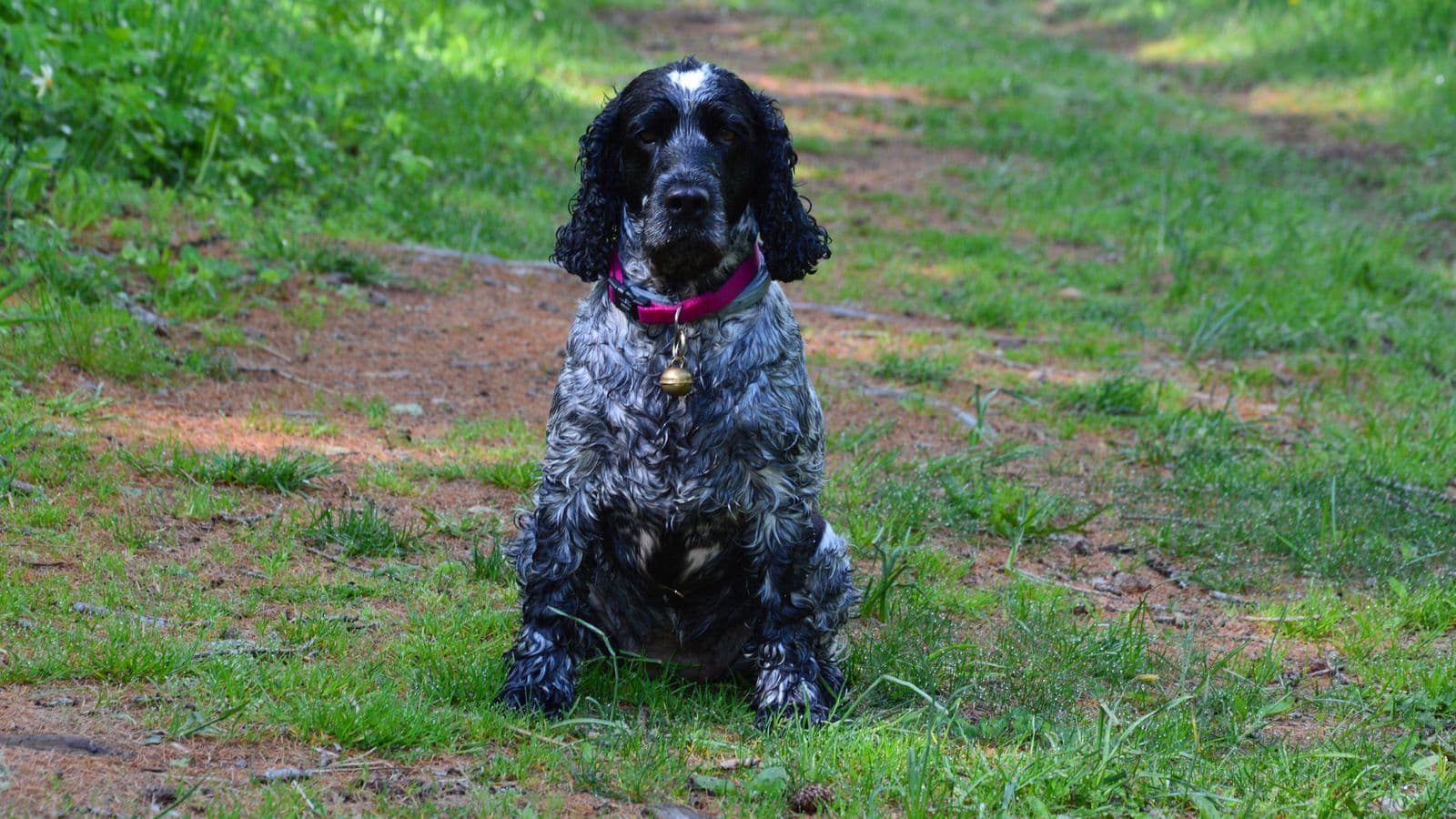
The Cocker Spaniel is sweet, energetic, and eager to please, which makes it genuinely trainable. But two traits define how this breed must be handled : an exceptional emotional sensitivity, among the highest of any popular breed, and a deep, people-focused bond that tips easily into separation anxiety. Mistakes that a resilient breed shrugs off hit a Cocker hard and linger.
The other thing owners forget : beneath the cuddly looks and the beautiful ears sits a real sporting dog, with a working nose, real energy, and field genetics. Almost every Cocker problem comes from mishandling the sensitivity, the bond, or the sporting engine. Here are the seven mistakes that cause the most trouble, and what to do instead.
1. Harsh handling of the softest sporting breed
Cockers are among the most emotionally sensitive dogs in existence. A sharp tone, a leash correction, even sustained household tension genuinely distresses them, and some lines are already predisposed to anxiety, so the damage compounds. The failure mode is visible : a corrected Cocker does not toughen up, it wilts, disengages, or develops fear behaviors, submissive urination, hiding, appeasement licking.
Owners who set out to "be firm" do real, lasting harm to exactly the temperament that makes the breed wonderful. Reward-based, gentle handling is not a preference for this breed, it is a requirement. Warm tone, generous rewards, short happy sessions, and the Cocker's eagerness does the rest.
2. Skipping independence training
The people-focused Cocker is strongly prone to separation anxiety, and the sweetest thing about the breed, its constant desire to be with you, is precisely what makes the risk. Owners who keep the puppy permanently at their side, on the lap, in every room, at every errand, are unknowingly building the adult that panics alone. Start independence work in the first weeks :
- Short calm alone-time sessions behind a gate, one to two minutes at first.
- A special chew that only appears during solitude.
- Gradual extension, always below the whining threshold.
- Daily practice even when you have nowhere to go.
Prevention takes minutes a day. Treating an established case takes months, and the Cocker feels every one of them.
3. Underestimating the exercise needs
The Cocker's teddy-bear appearance hides a genuine field-bred sporting dog needing 60 to 90 minutes of daily activity plus mental work. Owners who pictured a lapdog discover the truth through barking, destruction, and a dog that cannot settle in the evening, and then mislabel the energy deficit as a behavior problem. Give the sporting engine its due : real walks, fetch, play, and above all scent work, which this breed loves and which tires it beautifully.
Ten minutes of find-the-treat games works the bird-dog nose and calms the whole dog. A properly exercised Cocker is emotionally steadier across the board, the energy and the sensitivity are connected systems.
4. Ignoring grooming desensitization
That coat is a lifetime commitment, regular brushing, trimming, and constant ear care given the breed's famously infection-prone ears. A Cocker that was never desensitized to handling becomes stressed, struggling, and eventually snappy at grooming time, converting a weekly necessity into a decade-long battle that strains the relationship and complicates vet care. Condition acceptance from puppyhood :
- Touch paws, ears, and muzzle daily, paired with treats.
- Introduce the brush in ten-second sessions that end with a reward.
- Handle and inspect the ears routinely, they will need it forever.
- Keep every early session short, calm, and voluntary where possible.
A Cocker that enjoys handling is a healthier, easier dog for its entire life.
5. Not managing the scent drive
Cockers are bird-hunting dogs, and when the nose engages, the ears switch off. A Cocker on a fresh scent trail may ignore a recall it performed perfectly in the yard, not from stubbornness, but because the drive outcompetes a half-built cue. Owners who trust off-leash freedom too early lose their dog to the horizon, sometimes literally. Build recall like the safety system it is : highest-value rewards reserved for it, hundreds of successful reps on a long line in open areas, distractions layered gradually.
And work with the nose, not against it : scheduled sniff breaks on walks satisfy the drive while keeping it on your terms. Off-leash is earned, not assumed, with this nose.
6. Tolerating early resource guarding
Some Cocker lines carry a tendency toward resource guarding, stiffening over the food bowl, freezing with a stolen sock, growling over a chew. The infamous "Cocker rage" label is largely a myth, but genuine guarding does occur, and owners who dismiss the early signs as cute possessiveness let a manageable issue grow teeth. Respond early and correctly : trade-up games (approaching hands bring something better, never loss), management of high-value items, and professional guidance if the guarding is already established.
Never punish a guarding dog, punishment confirms its exact fear, that people near its things mean trouble, and escalates the problem.
7. Long daily isolation
The Cocker was bred to work all day beside a hunter, and the modern version has the same job description : be with its people. Long daily isolation, 8 or more hours, every workday, produces anxiety, barking, and destructive coping in this breed no matter how good the early training. If the household is out all day, the plan needs real components : doggy daycare some days, a midday walker, staggered family schedules, and serious exercise before absences. Choosing this breed means choosing company as part of the deal. The Cockers that fail in homes are overwhelmingly the ones left alone in them.
What works with Cocker Spaniels
Gentle, reward-based methods without exception, independence training from the first week, a real exercise budget with scent work at its heart, early grooming desensitization, a recall built like a safety system, early and correct handling of any guarding, and a daily life that does not isolate a companion breed.
The common thread is respect for what the Cocker actually is : a sensitive, deeply bonded sporting dog. Go gently, build the independence, feed the nose, and meet the energy, and you get one of the sweetest, most devoted family dogs there is, the dog the breed's popularity was built on.
TailorPup's Cocker plan runs entirely on gentle methods, front-loads independence training, schedules the sporting-dog exercise honestly, and includes grooming-handling desensitization from the first weeks.
Frequently Asked Questions
Are Cocker Spaniels easy to train?
Yes, with the right method. They are eager, food-motivated, and quick to learn, but exceptionally sensitive : reward-based training produces rapid progress, while harsh handling shuts them down faster than almost any breed.
Do Cocker Spaniels have separation anxiety?
The predisposition is strong, this is a deeply people-bonded breed. Early independence training prevents most cases. A Cocker that is never alone as a puppy and then left 9 hours a day is the classic case history.
Why does my Cocker Spaniel ignore me outside?
The nose. Cockers are scenting bird dogs, and an engaged nose outcompetes an under-trained recall. Build recall on a long line with top-tier rewards, and give the nose legal outlets like sniff breaks and find-it games.
Is "Cocker rage" real?
The dramatic syndrome is largely a myth. What exists in some lines is ordinary resource guarding, which responds well to early trade-up games and counter-conditioning, and which punishment reliably makes worse.
Start your Cocker Spaniel's plan at tailorpup.com →
Related: How to Train a Cocker Spaniel · Recall Training · Leash Pulling